People experiencing homelessness and other hardships, Lithuania winning the World Championship, training sessions at a school stadium, lives saved, and Zinedine Zidane all in one article? Yes, and Stasys Pranevičius will help connect all these dots.
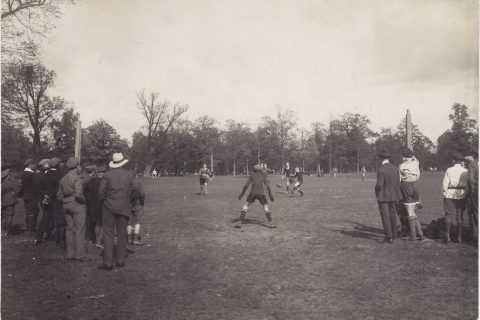
In his hands, he holds a photograph from 2006 which depicts the first Feniksas team gathered before departing for an open football tournament for people experiencing homelessness in Saint Petersburg. At the time, every member of the team was struggling with alcohol addiction.
“I wrote on the photograph, ‘We swim in different styles, but we all sink the same.’ That year we were all alcoholics – one hundred percent. Today it’s 2026. Every one of us is still alive, and not a single one has relapsed. All these people, to this day, are alive and sober. That’s the result I’m talking about,” the team founder says.
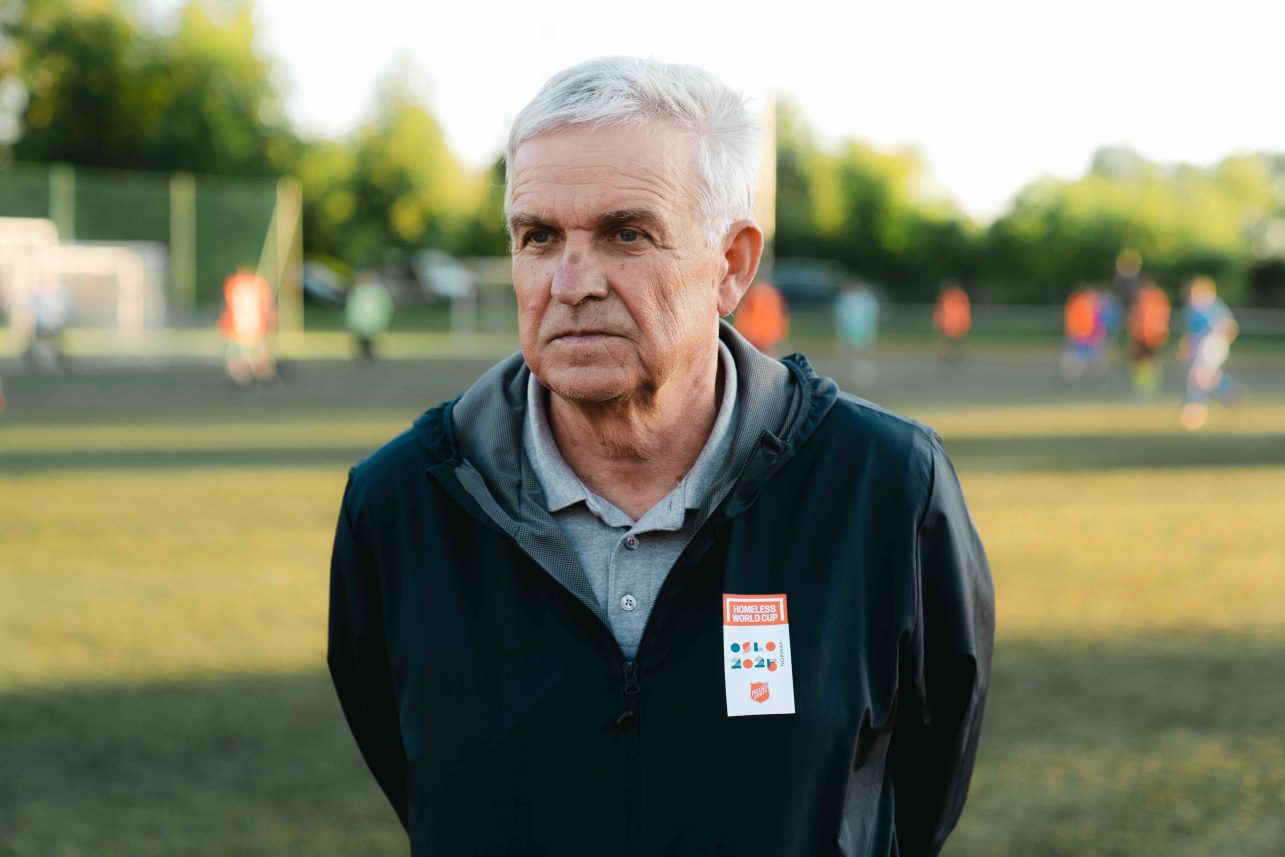
Personally, he has been sober for 22 years. He graduated from the Panevėžys Sports Boarding School, played in the Lithuanian football championships, but later became addicted to alcohol.
In 2006, he attended an event in Kyiv with the Alcoholics Anonymous community. There, participants from other countries told him about an open football tournament for people experiencing homelessness held in Saint Petersburg and suggested that the Lithuanians put together a team.
Stasys assembled a team of men who had once played football but had left the sport because of alcohol addiction. They went on to win the tournament, attracting the attention of representatives from the Homeless World Cup. That year, the World Cup expanded the number of participants to 48 teams. Lithuanians received an invitation and left for Cape Town.
“And there we faced presidents, leaders, conferences. South Africa was already preparing for the 2010 FIFA World Cup, so FIFA representatives had gathered there. There was an opening ceremony, speeches, 32 television stations. They were interviewing us; the Lithuanian national anthem was playing. I remember thinking, how on earth did we end up here?”
After returning home, they founded the FK Feniksas Association. In the years that followed, the Lithuanian team traveled to Copenhagen, Australia, Brazil, Argentina, Chile, Mexico, and many other countries.
Trust motivates
The Homeless World Cup was founded in 2003 by Scotsman Mel Young and Austrian journalist Harald Schmied. The first championship was held in Graz, Austria. These tournaments are held in the very centers of cities. In Cape Town, Melbourne, Milan, Rio de Janeiro, Mexico City, and elsewhere, temporary street football pitches are set up in the main public squares, surrounded by spectators, television cameras, and journalists. Participants come from homeless shelters, rehabilitation centers, and the streets. For many, it is the first time they have ever traveled far from home. “For someone living on the streets, it’s an incredible source of motivation. They meet countless people just like themselves from all over the world.”
The organizers cover participants’ accommodation, meals, and local transportation, leaving each national team responsible only for the cost of traveling to the tournament. A player is allowed to participate in the Homeless World Cup only once. A new national team must be assembled for each subsequent championship. “You’ve already had your chance. Whether you managed to turn your life around or not, it’s time to give someone else the opportunity. You can’t keep taking the same group of people to these tournaments for twenty years,” Stasys explains. That said, participants from previous championships often return as supporters, paying their own way out of their own pockets.
Stasys usually recruits new players through the Alcoholics Anonymous community, rehabilitation programs, and an annual gathering held in the Lithuanian seaside town of Šventoji. According to him, around 1,500 people attend the event each year during the last weekend of June. Football matches are also part of the gathering.
Sometimes it takes a great deal of persuasion to convince someone to join. Stasys recalls inviting one man immediately after he completed a rehabilitation program. The man believed in nothing and saw no point in traveling to the championship in Mexico. “I said: let’s go, you’ll see what the event is like, stand at the gate for two minutes, and that’s enough, you will have participated.” Finally, he came in 2012. “To this day, he hasn’t had a drink. It’s been fourteen years.”
Pushing up from the rock bottom
Stasys tells another story about Kęstas, whom he met in Šventoji. Before they met, Kęstas had spent three years living on the streets. After suffering severe frostbite, he had undergone an amputation and was staying in a homeless shelter. Stasys noticed him walking into the sea on his prosthetic legs. At the age of 44, it was the first time Kęstas had ever seen the sea. He had never been abroad. Stasys offered him a simple deal, “I told him, ‘If you manage to stay sober until autumn, I will take you to Poland.’” Poland wasn’t his first and last trip abroad. He later went to Paris and Milan and after that remained sober for many years, obtained social housing, and rebuilt his life.
At one of the championships, Kęstas met the renowned Danish football referee Kim Milton Nielsen, who officiated UEFA Champions League, European Championship, and FIFA World Cup matches. It was Nielsen who famously showed David Beckham a red card during England’s match against Argentina at the 1998 FIFA World Cup. “After the championship, Nielsen himself walked over to Kęstas, who was using a wheelchair, and asked to have a photo taken with him. He also gave him his signature referee’s whistle, his cards – the whole set.”
Another story took place in Cape Town. Lithuanians were playing with a Spanish team and were leading by about 6:0 at halftime. The Spanish coach approached the Lithuanians and warned them that he was about to send on a former well-known footballer. He asked them to let the player score a goal. The man scored and burst into tears. “A couple of years later, I was watching a documentary about the Spanish national team. During halftime at Real Madrid’s stadium, the Spanish Homeless World Cup team was being sent off to the world championship. I looked closely, and there he was, the same man. Zidane was presenting him with a gift and shaking his hand.” It turns out that the man played for Real Madrid in his youth but did not make it to the national team. After his professional career ended, he became trapped in drug addiction, alcoholism, and repeated prison sentences. Then came the homeless national team. A few years later, Stasys met him again at another tournament. “He came back a completely different person. Through football, many people find their motivation again.”
The Homeless World Cup is not organized according to the traditional structure of professional sport. An invitation depends on an organization’s work in its own country, participation in the international network, and social work. Above all, it is a social event.
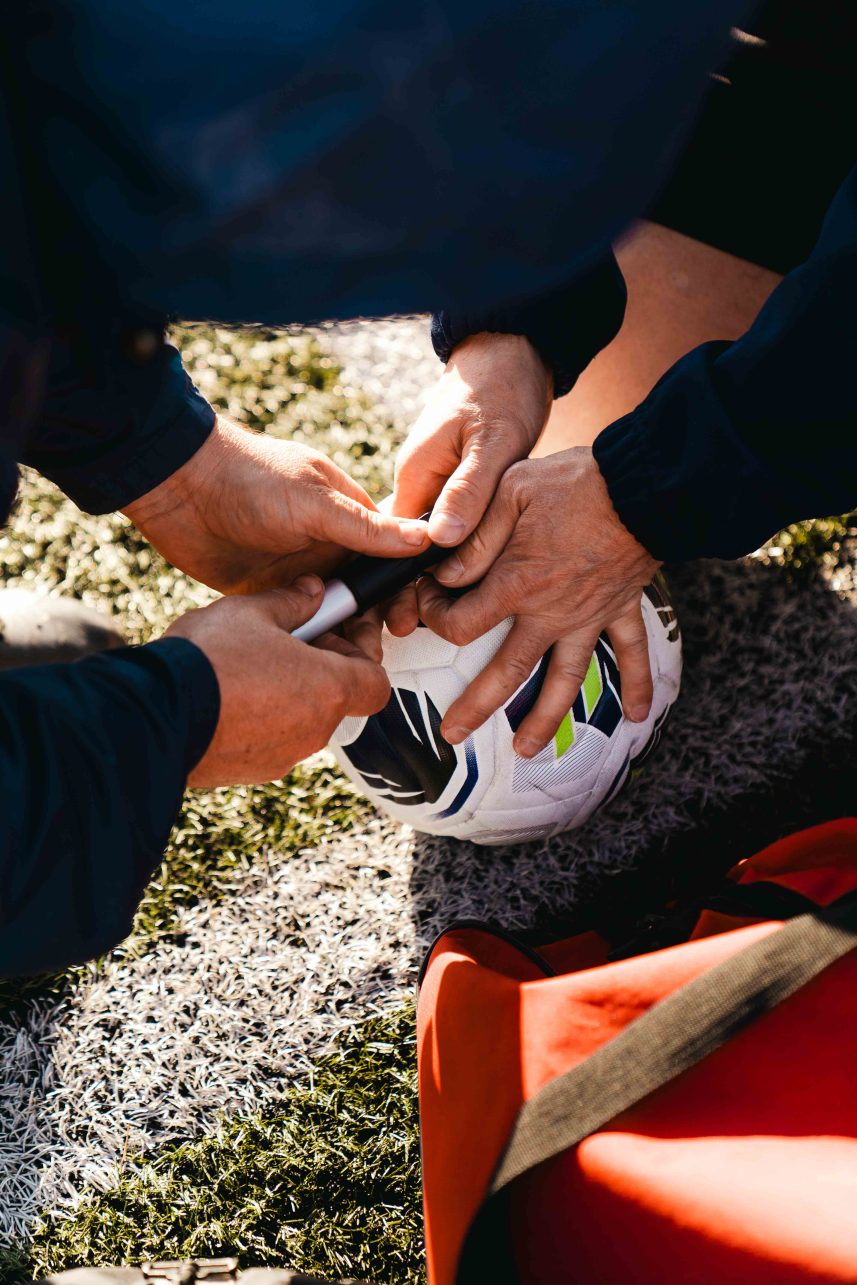
The rules of the Homeless World Cup are different from regular football. The pitch is roughly the size of a basketball court and is enclosed by boards. Each team has three outfield players and a goalkeeper. The goalkeeper may not leave the goal area, and outfield players are not allowed to enter it. The goals are smaller than in regular football. One particularly important rule concerns the halfway line. Once a team moves into the opponents’ half, one defender from the defending team is not allowed to retreat into their own half. This allows the attacking side to play three against two. “If you’re older but know how to play one-touch football, you can already do something when playing three against two. If all three defenders were allowed to stay back, you wouldn’t be able to do anything. This way, even the less-skilled players get a chance to keep possession and score a goal.”
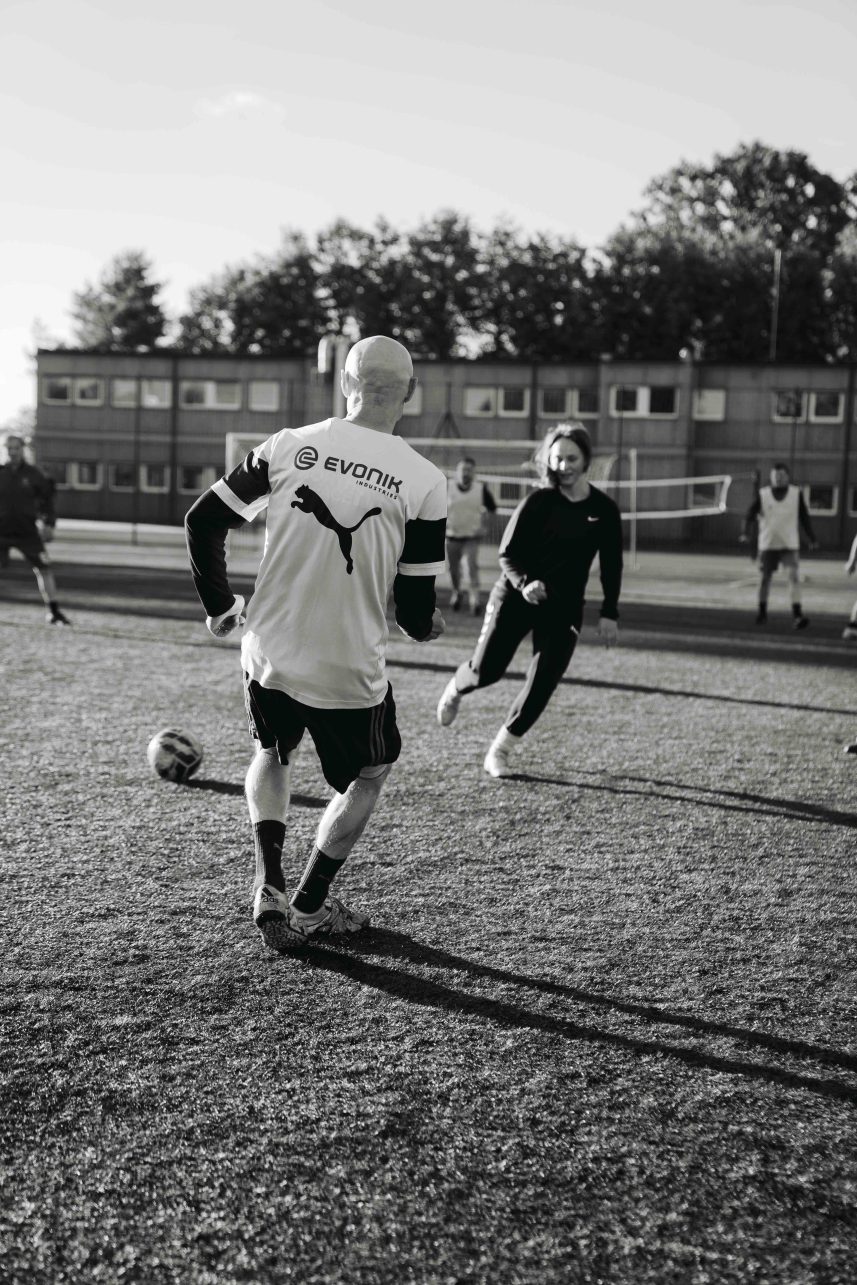
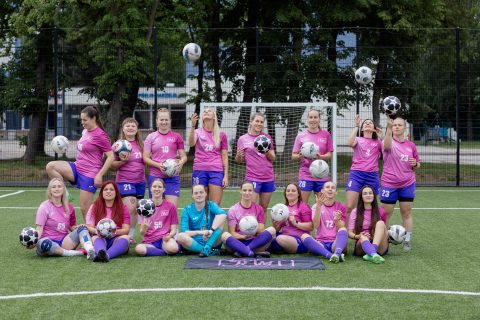
The championship is open to people who have experienced homelessness, refugees, and individuals struggling with alcohol or drug addiction. There is also a women’s tournament, although Lithuania has not yet assembled a women’s national team. In many other countries, national teams are organized by professional social workers. They are paid employees who work within long-term programs and projects. Stasys, however, does all of this voluntarily. “I need this for myself. It’s what keeps me going.”
An official delegation usually consists of eight players and two team officials, but many more people travel from Lithuania. This year, the Feniksas plans to fly to Mexico – its third trip there – with at least 25 members of the community.
Who should support it?
Stasys says that public attitudes are changing, but the reluctance to be publicly associated with alcoholism, drug addiction, or homelessness still makes it difficult to find sponsors. “For a long time, the prevailing attitude was that an alcoholic simply lacked willpower, and that was the end of the story. But alcoholism is a disease. It doesn’t choose whether you’re a priest, a teacher, a member of parliament, or a tractor driver.”
According to Stasys, football organizations also maintained for years that these issues were not their responsibility. “They would say, ‘Come on, who are you trying to fool? You’re traveling around the world, Cape Town and all that. Looks like you had a nice holiday. An alcoholic who gets to travel?’ The team was often advised to seek support from social services or the Drug Control Department.”
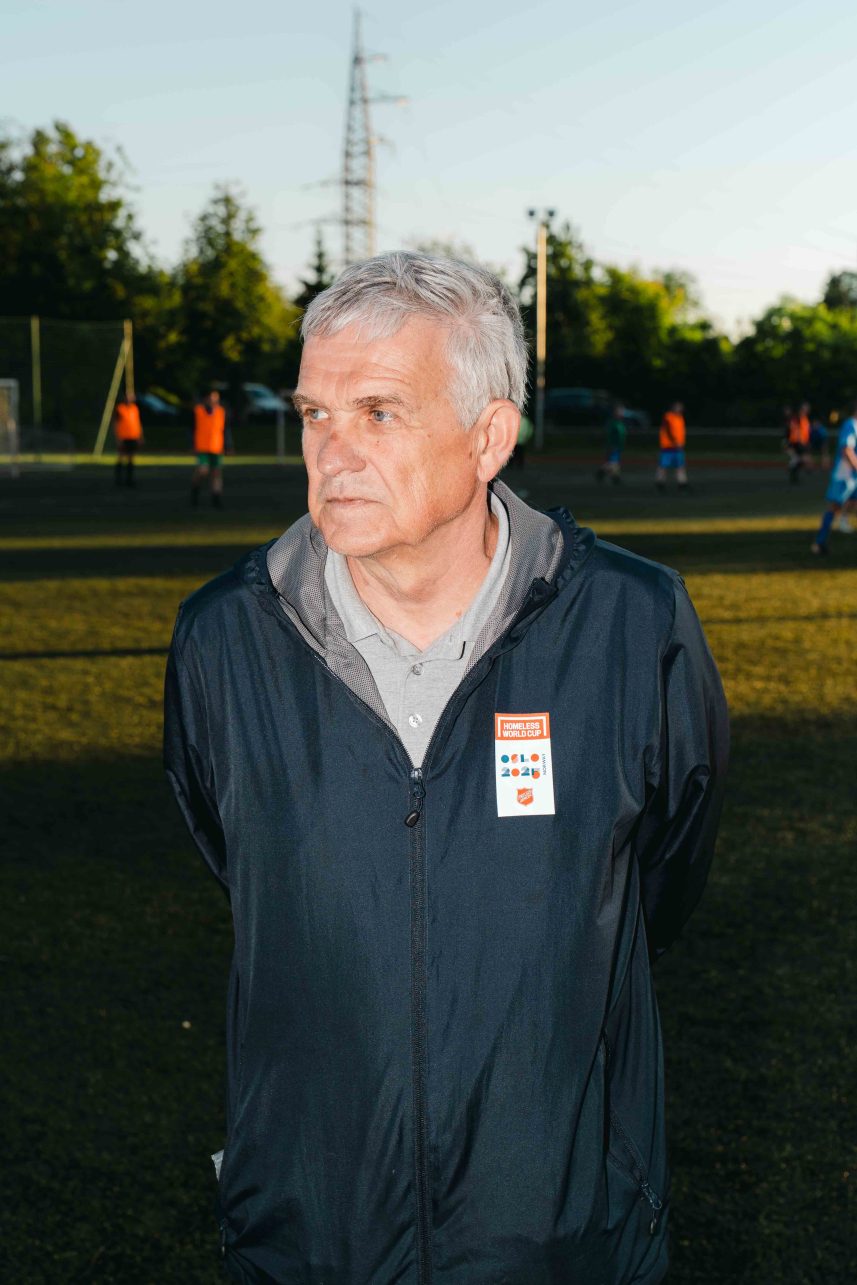
The Lithuanian Football Federation once provided the team with ten jerseys. On another occasion, it contributed an amount roughly equal to the cost of two airline tickets for a trip to America. Under the leadership of Andrius Kupčinskas, the Kaunas City Municipality allocated 5,000 Lithuanian litas toward the team’s trip to Australia – enough to cover the cost of one plane ticket.
For a time, trips to the European championships were sponsored by the Lithuanian Brewers’ Guild, headed by Saulius Galadauskas. When writing to the brewers, Stasys decided to take a humorous approach: “I wrote that we had made a significant contribution to the sales of your products. It was thanks to your products that we ended up in this social activity league, so perhaps now you could help us out.”
In recent years, the Homeless World Cup has strengthened its cooperation with major football organizations. FIFA President Gianni Infantino and other FIFA representatives now attend the events, and in Seoul the tournament was played with balls bearing the joint Homeless World Cup and FIFA branding. Previously, UEFA supported the project by providing kits, footwear, and other equipment.
In Mexico, one of the championship’s principal sponsors was businessman Carlos Slim. Stasys first encountered him in 2012. Knowing that Slim was one of the richest people in the world, he expected to see him surrounded by security guards.
“Every day, a plainly dressed older man in torn jeans and an untied shoe stood by the Mexican team, and I thought he was one of us. Stasys would greet him, but he didn’t know who he was. Then the British Embassy invited the heads of all the national delegations to a dinner. I looked over, and there was the same old fellow, only this time wearing a suit. It was obvious he was the most important person there; everyone was going up to greet him. Later I looked him up online, and it turned out it was Carlos Slim himself. I had imagined that someone like him would be sitting in a skyscraper, in a huge office, surrounded by secretaries and security guards. Instead, he spent the whole day standing alongside the players.”
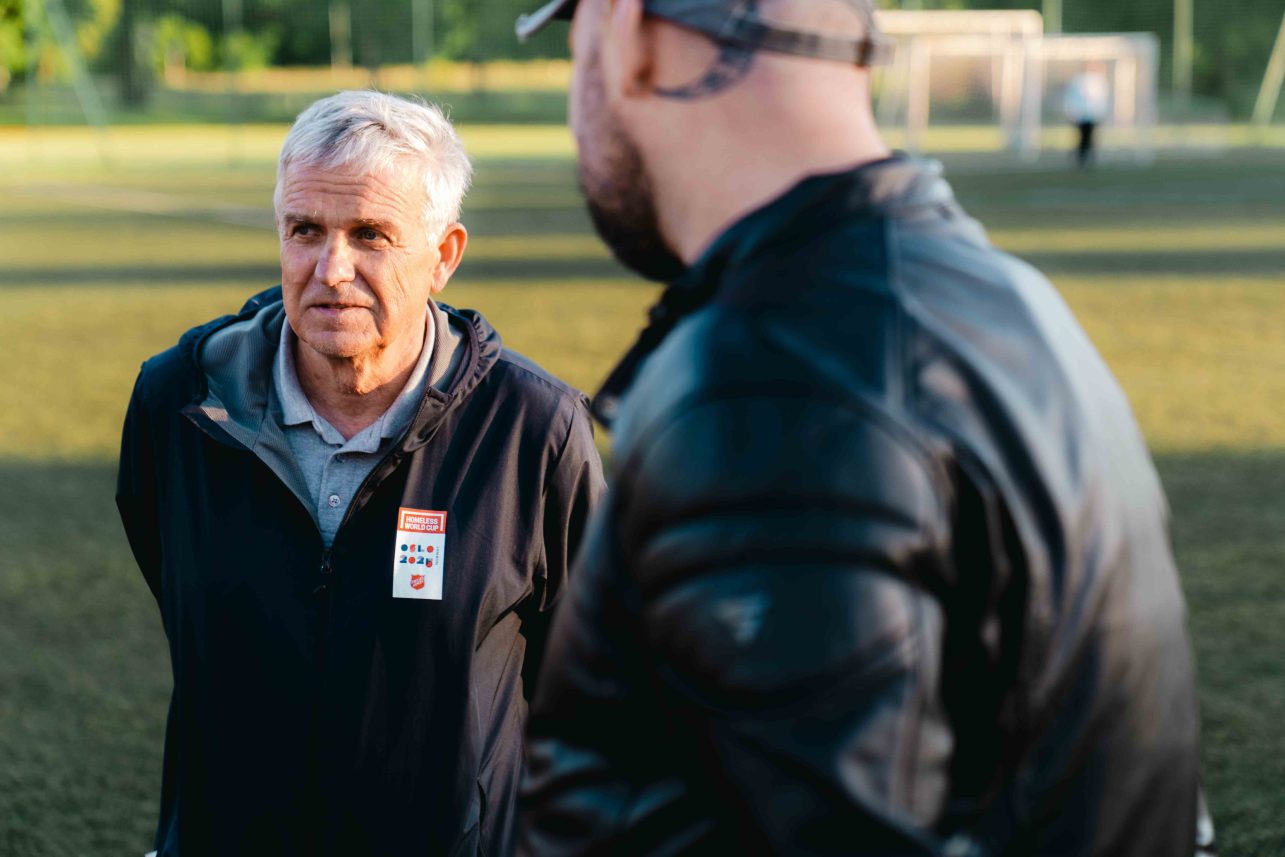
The veterans who didn’t sink
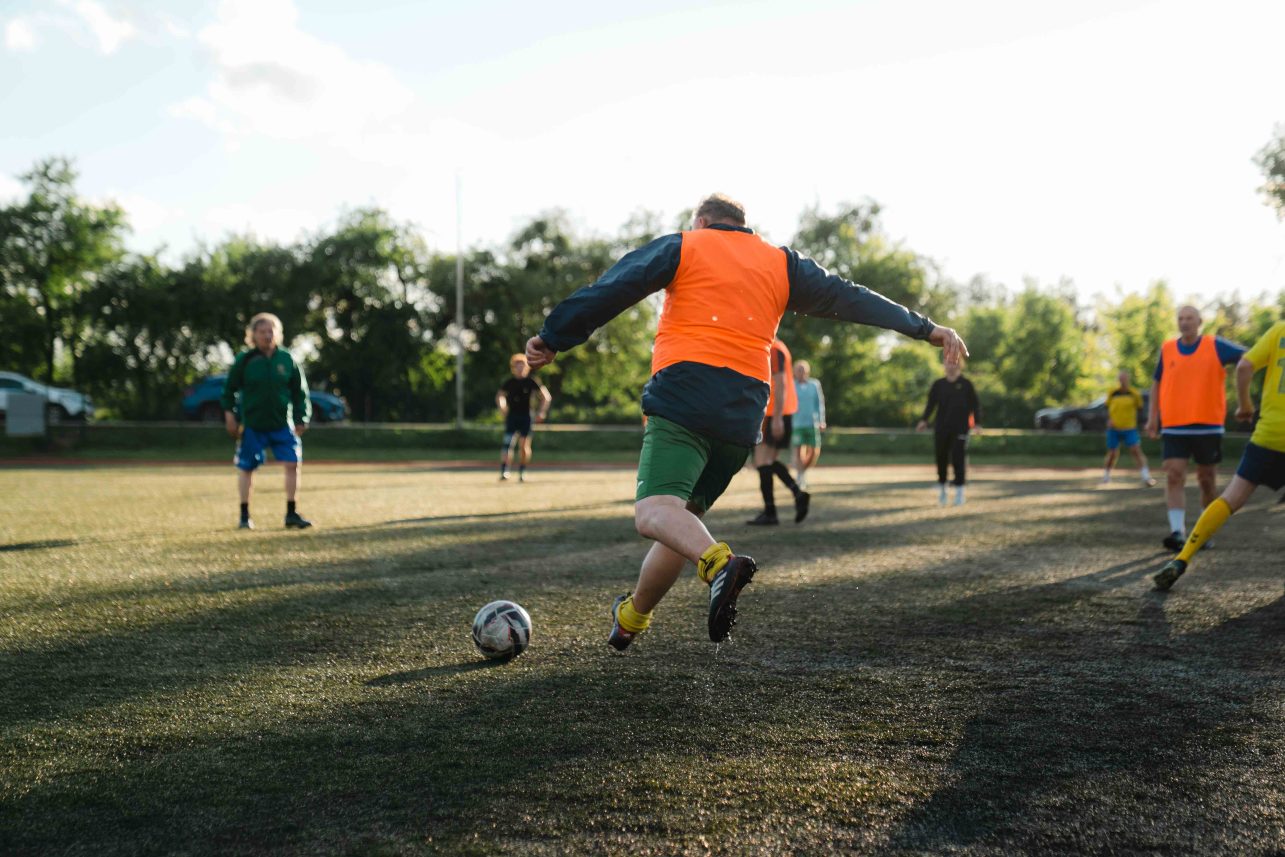
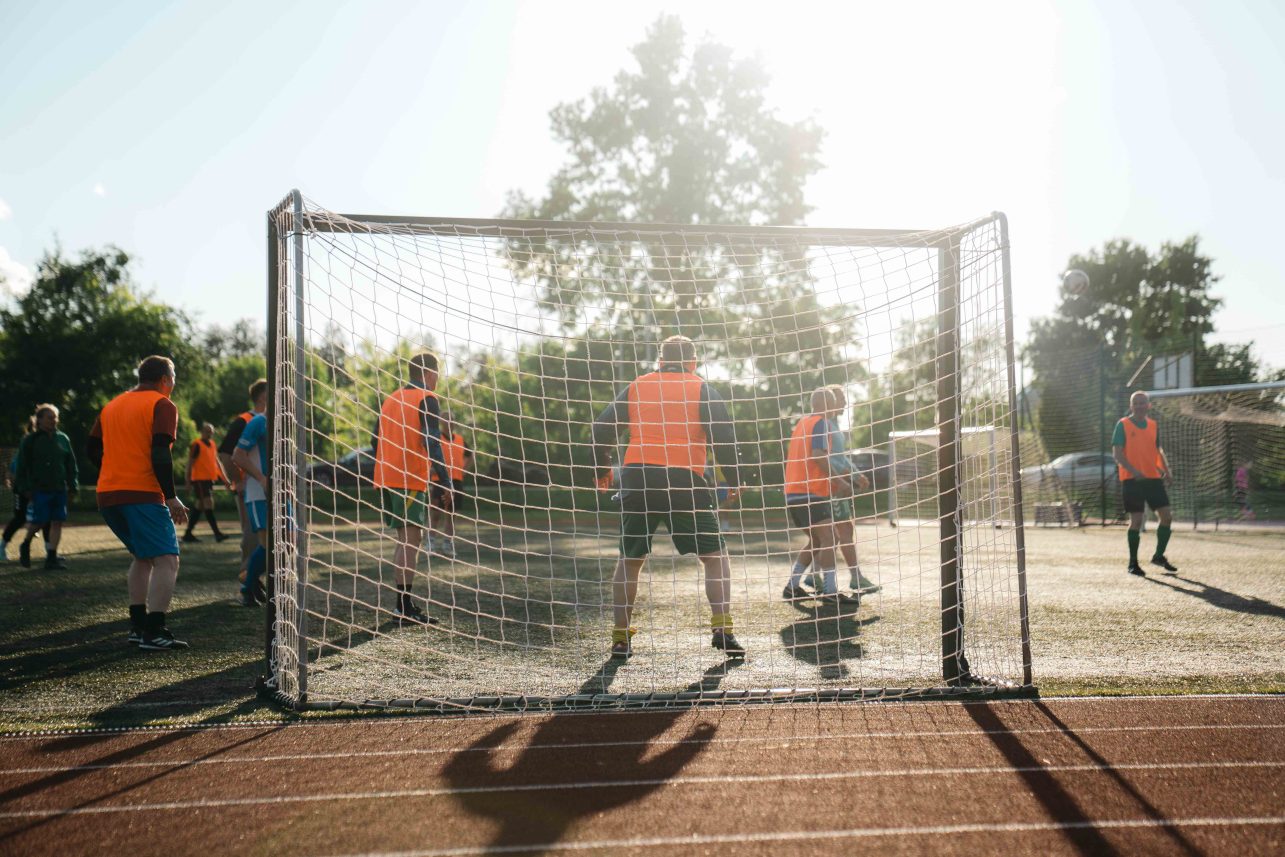
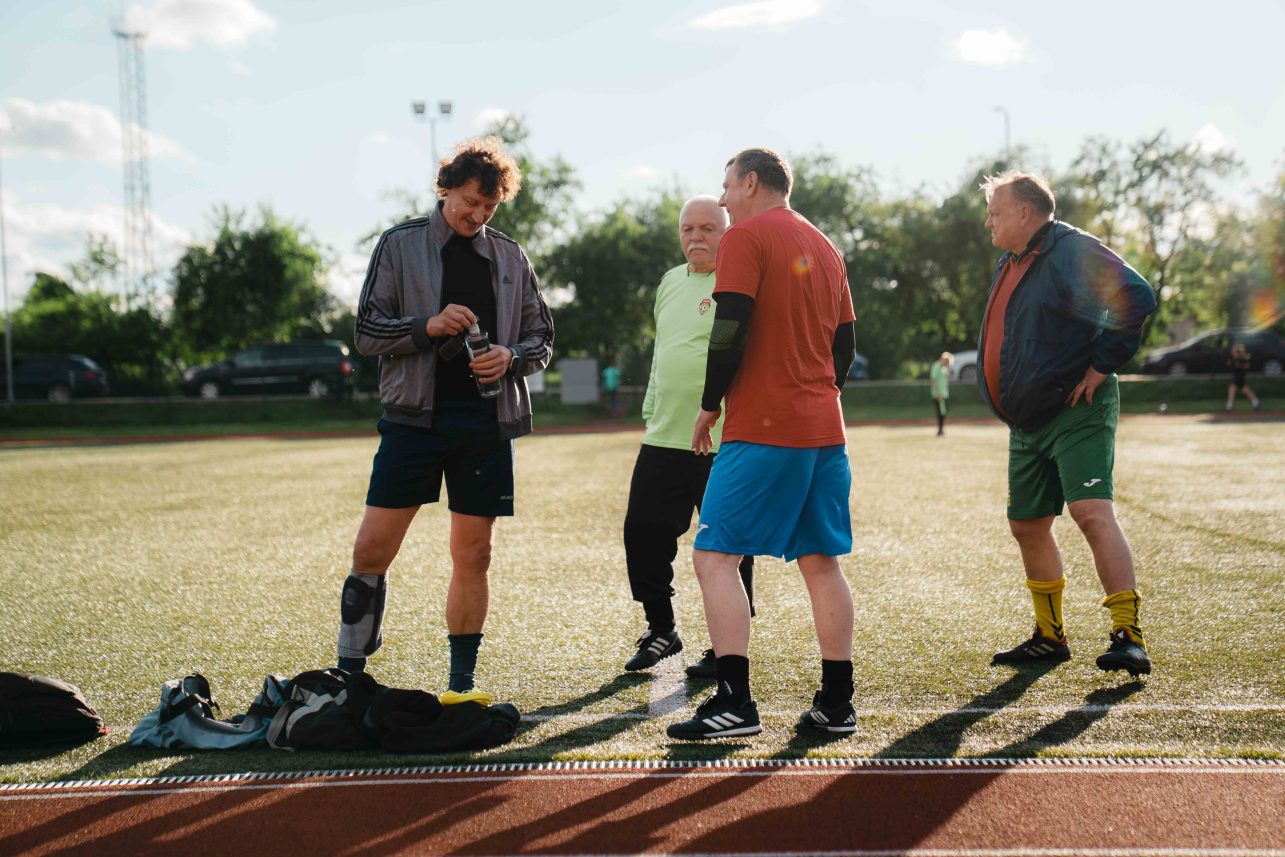
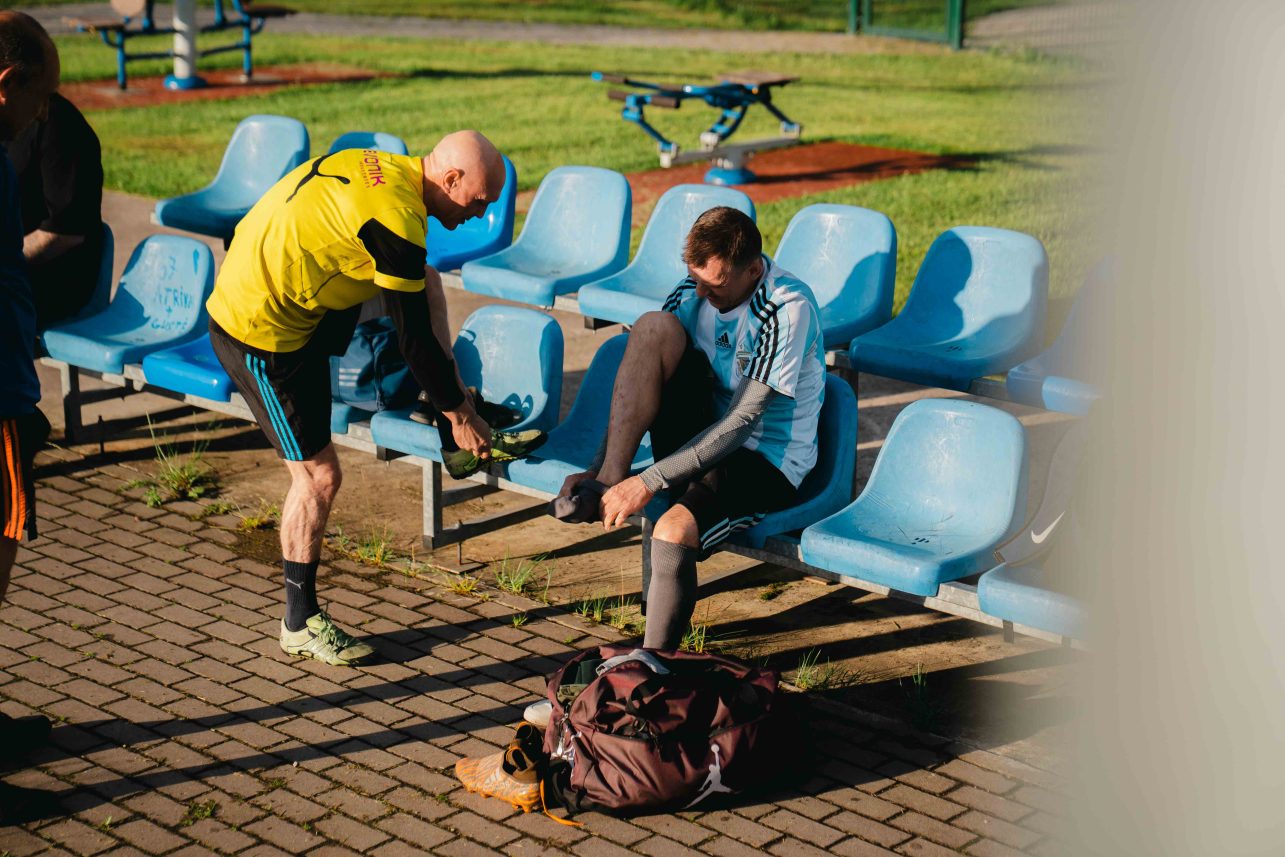
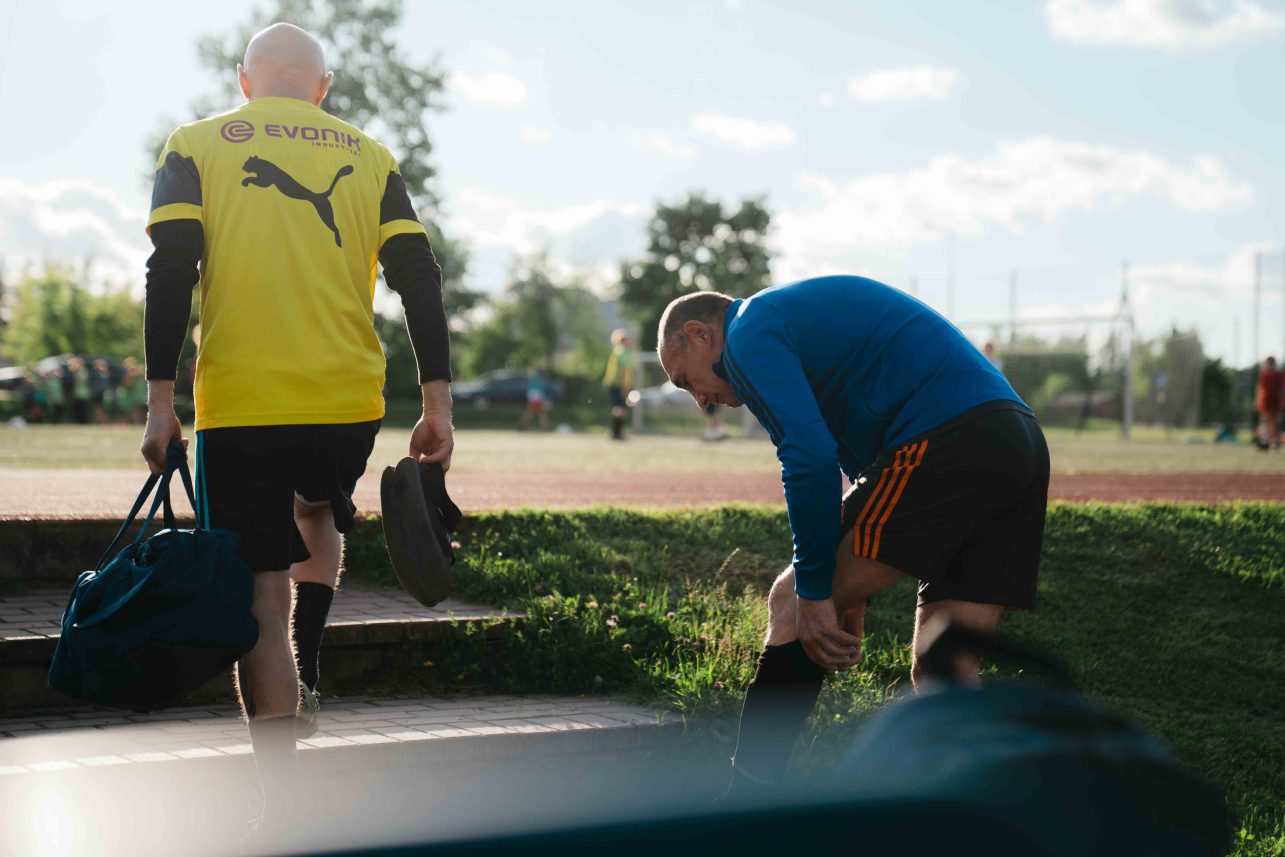
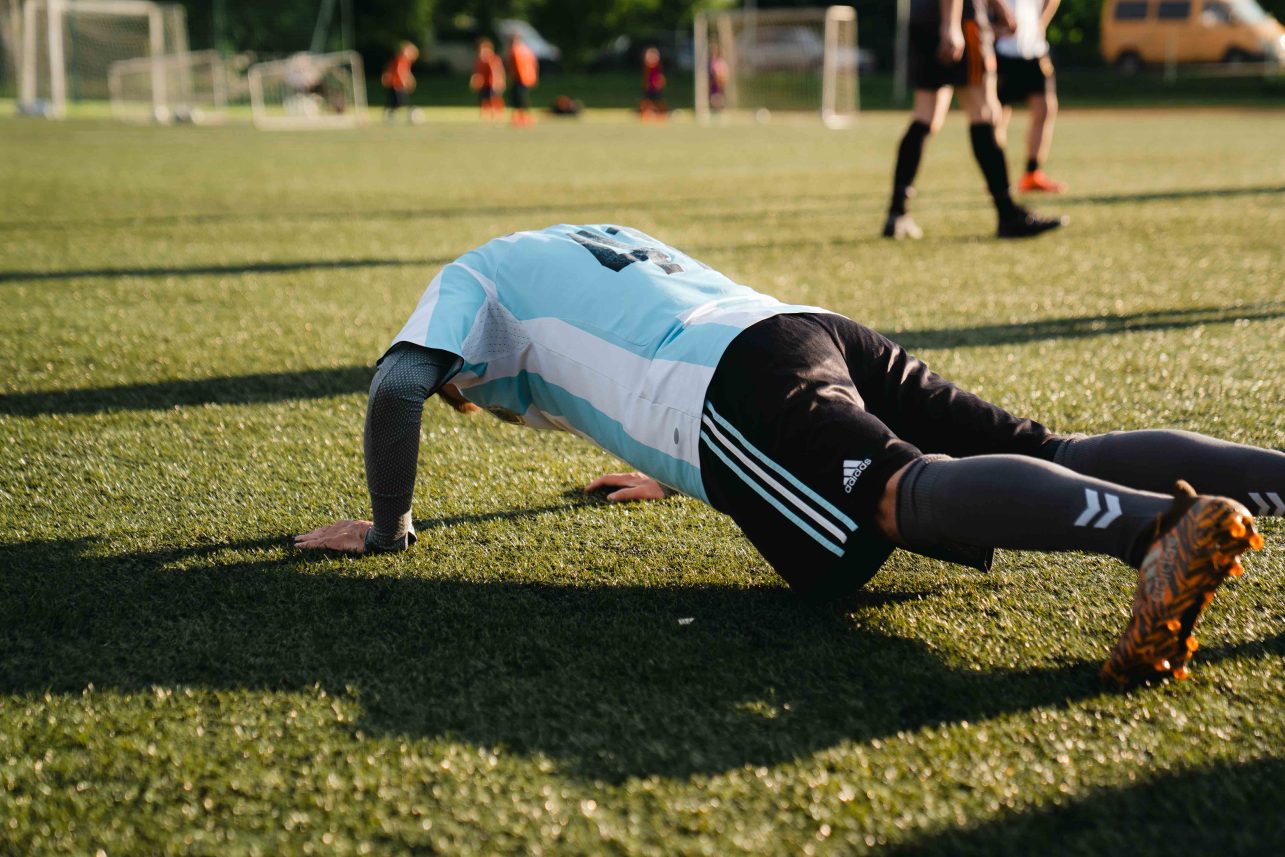
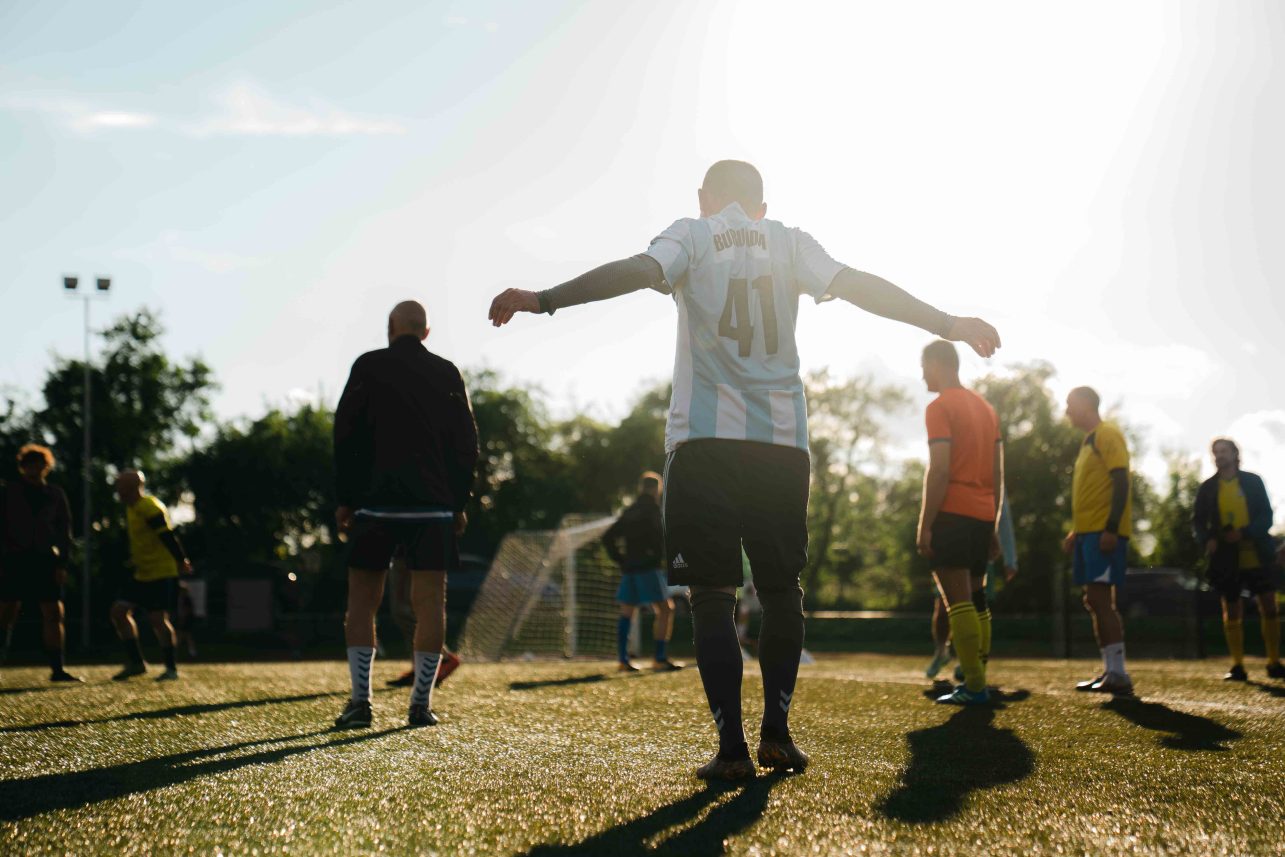
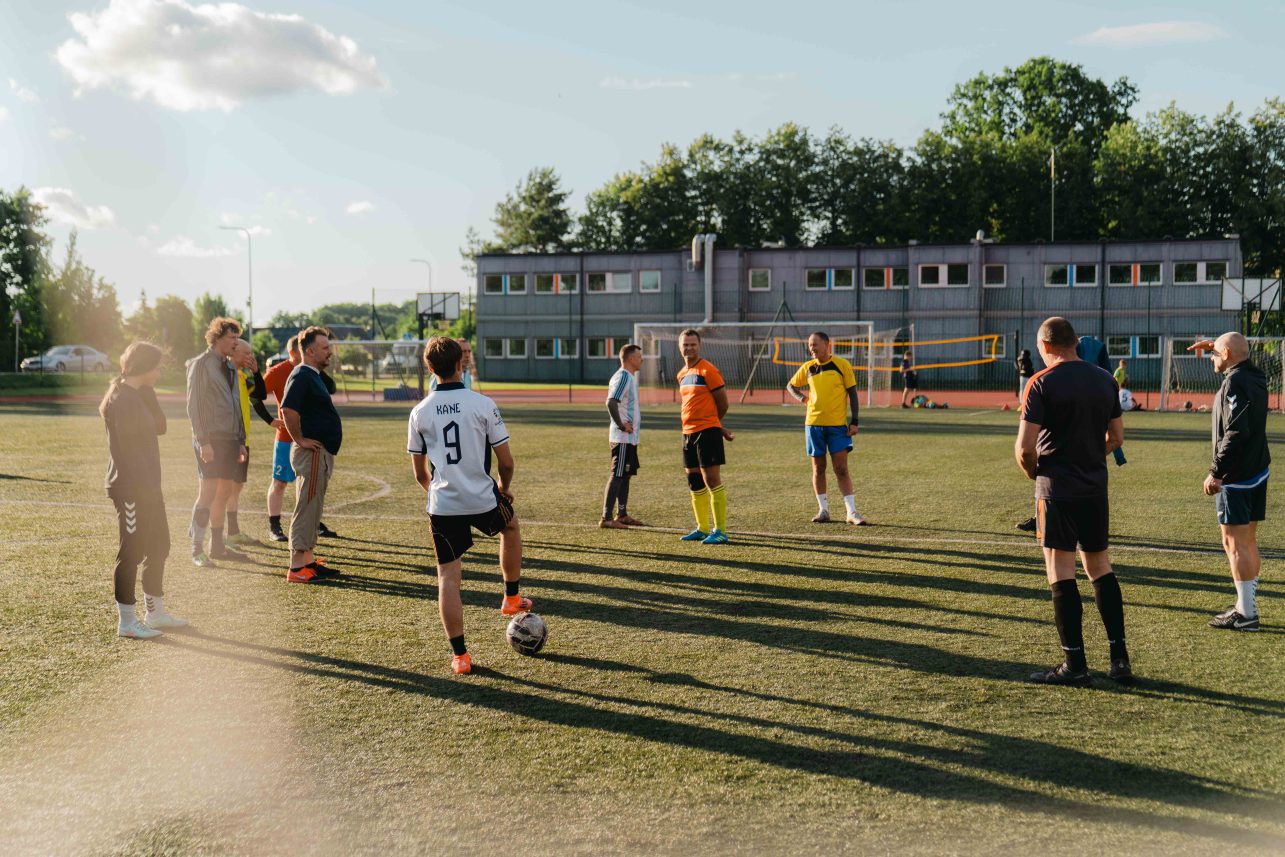
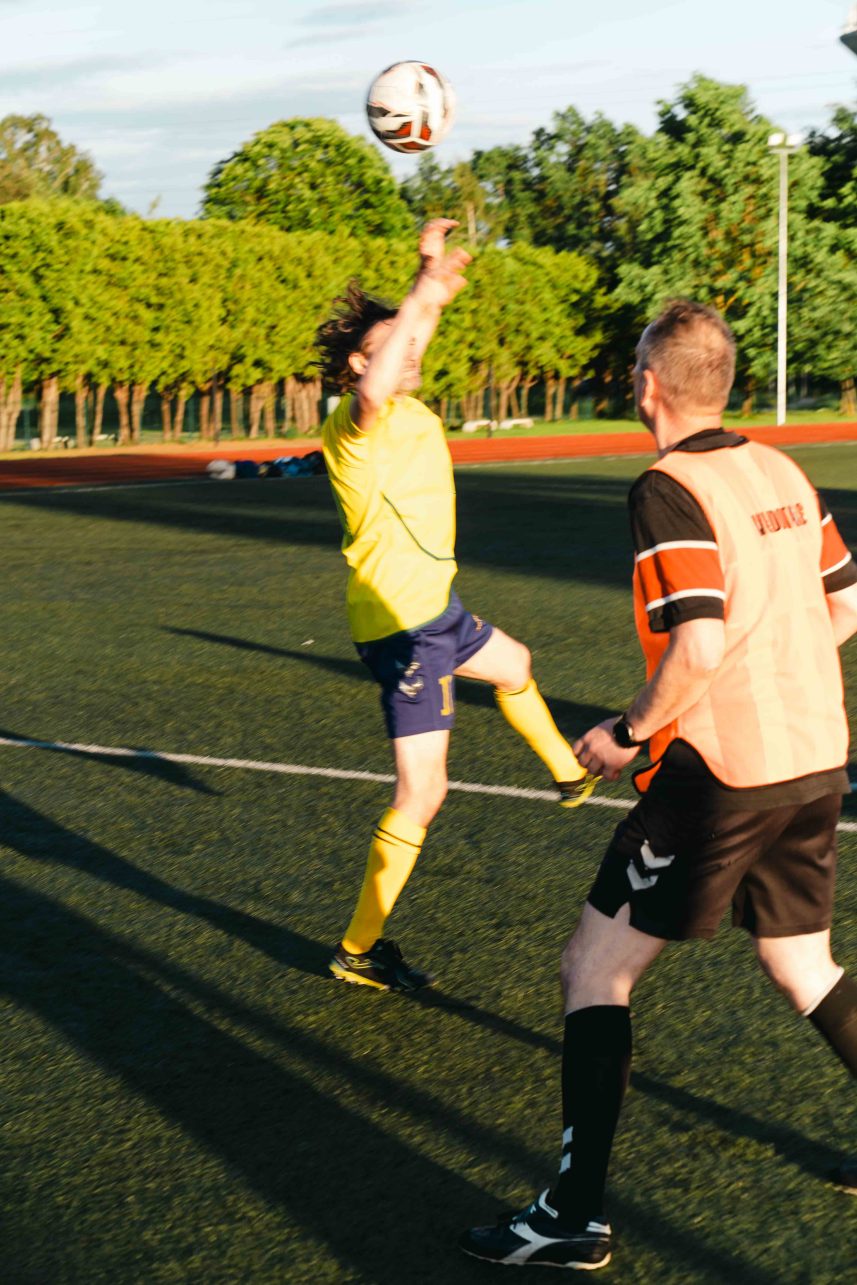
The core of the Feniksas team continues to play in Lithuania. They train at the stadium of Vytautas Magnus University Ugnė Karvelis Gymnasium in Akademija, Kaunas District. In the past, the team competed in seven-a-side football and the Lithuanian Third League, as well as tournaments organized by the Kaunas County Football Federation. As the players grew older, they moved into veterans’ competitions and later into tournaments for footballers over the age of 50, where they became Lithuanian champions. Several members of the team are now over 60 years old.
The team became European champions twice at the international social football tournaments, once taking third place. Yet when Stasys talks about Feniksas, he does not place much importance on goals, medals, or final standings.
It was enough for one person to stand at the goal in Mexico. Another, who saw the sea for the first time at the age of 44, later went to Paris and Milan… The first Feniksas team moved to veteran football or settled elsewhere, next to the new team, but did not disband. Twenty years later, and the photograph taken in 2006 – that started everything – is still the most important thing for Stasys.