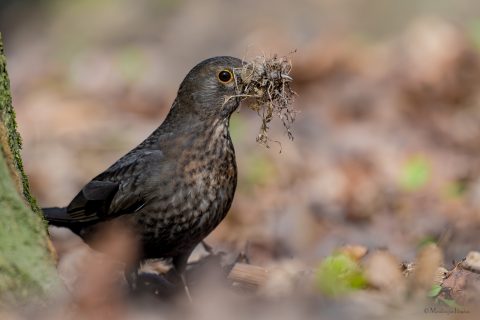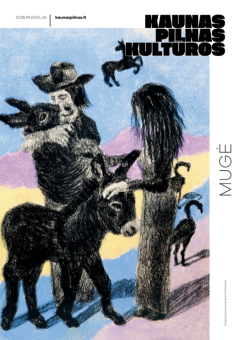
In the city, in order to feel a connection with nature, we must first stop and listen. Open your window early in the morning and hear the birds singing; lift your head and spot a seagull circling above the rooftops; sit down on a bench along Laisvės Avenue and watch pigeons squabbling over crumbs. Once, people lived according to the rhythms of nature, but today we are drifting away from it. Yet, often without realizing it, we still follow the same unwritten signs: when we hear the first cuckoo, we reach into our pockets for coins; when we see swallows flying low, we expect rain; and when we catch sight of the first stork, we try to predict what kind of year lies ahead for us.
(This text was published in the June 2026 issue of the magazine Kaunas Full of Culture, titled Birds)
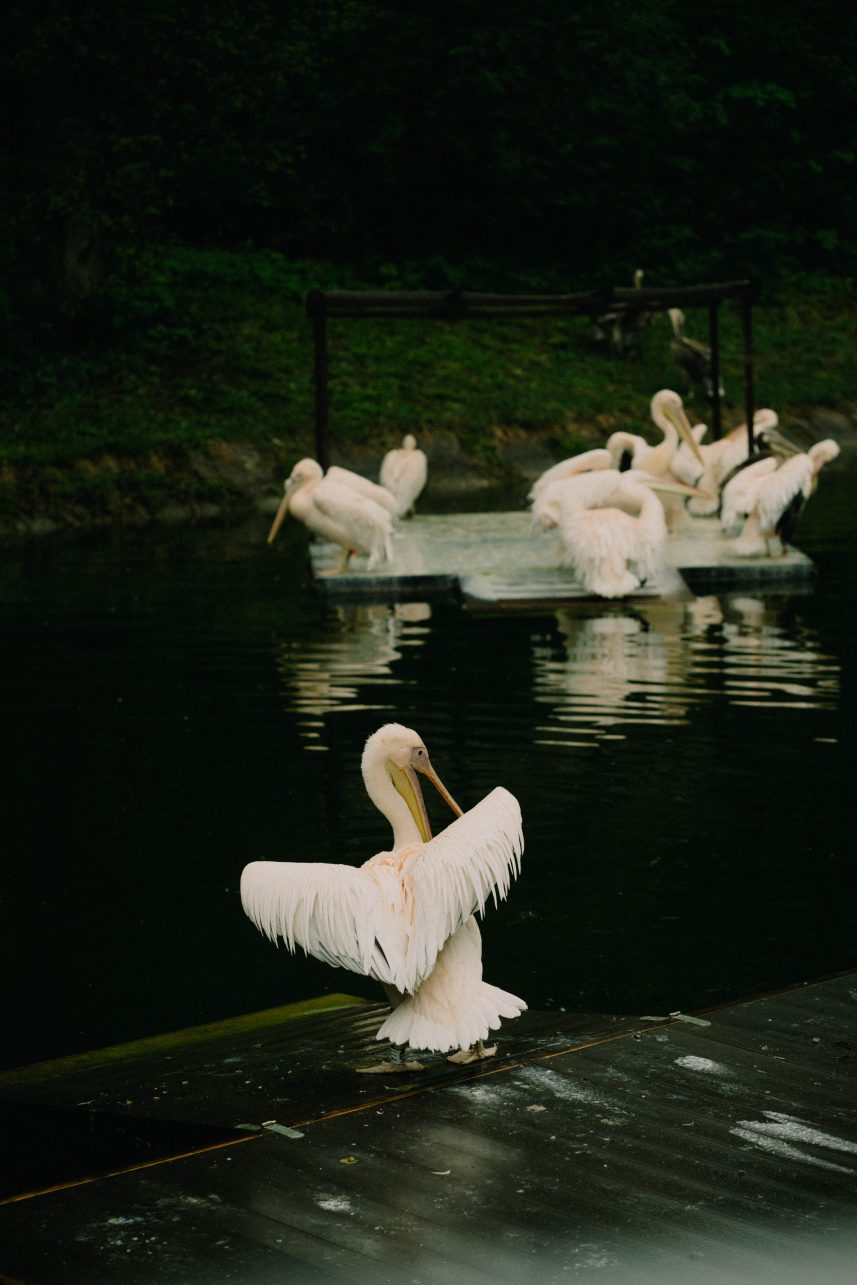
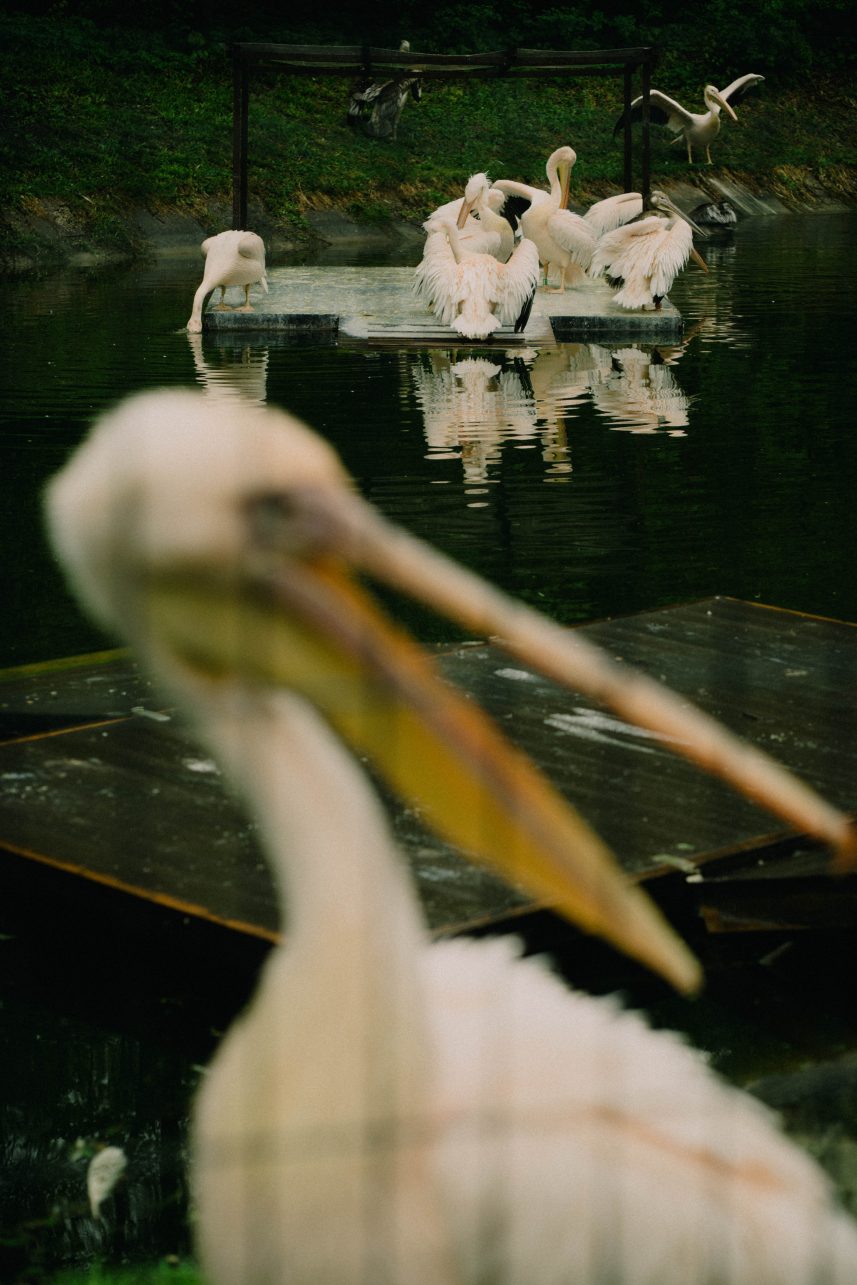
There’s a place in Kaunas where all of this can be not only observed, but also better understood. For many residents of Kaunas, the Lithuanian Zoo is first and foremost associated with childhood; Saturday walks, seeing pelicans up close for the first time, or curiously observing animals. As I stepped through the gates, the first word that came to my mind was “childhood.” Yet few stop to consider that a zoo is much more than a place where we can simply look at animals.
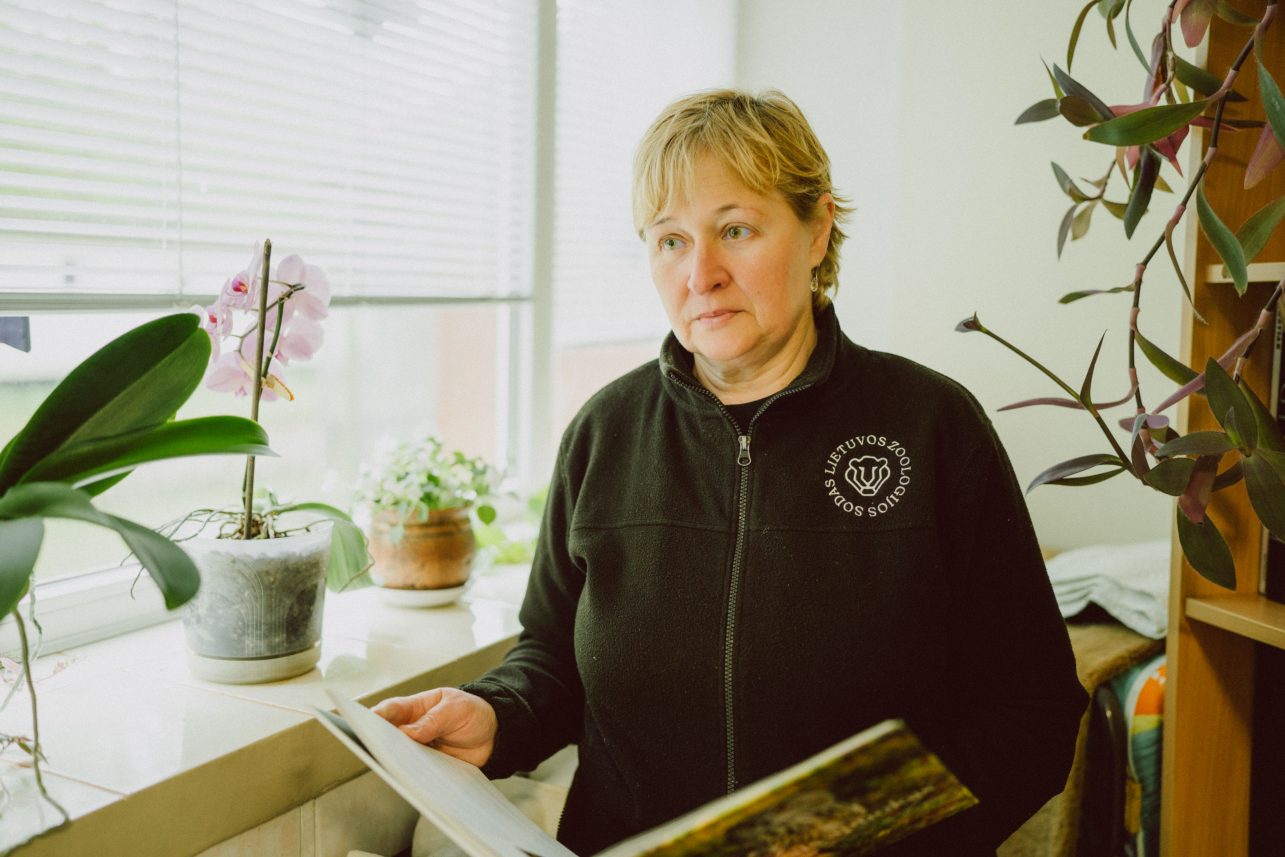
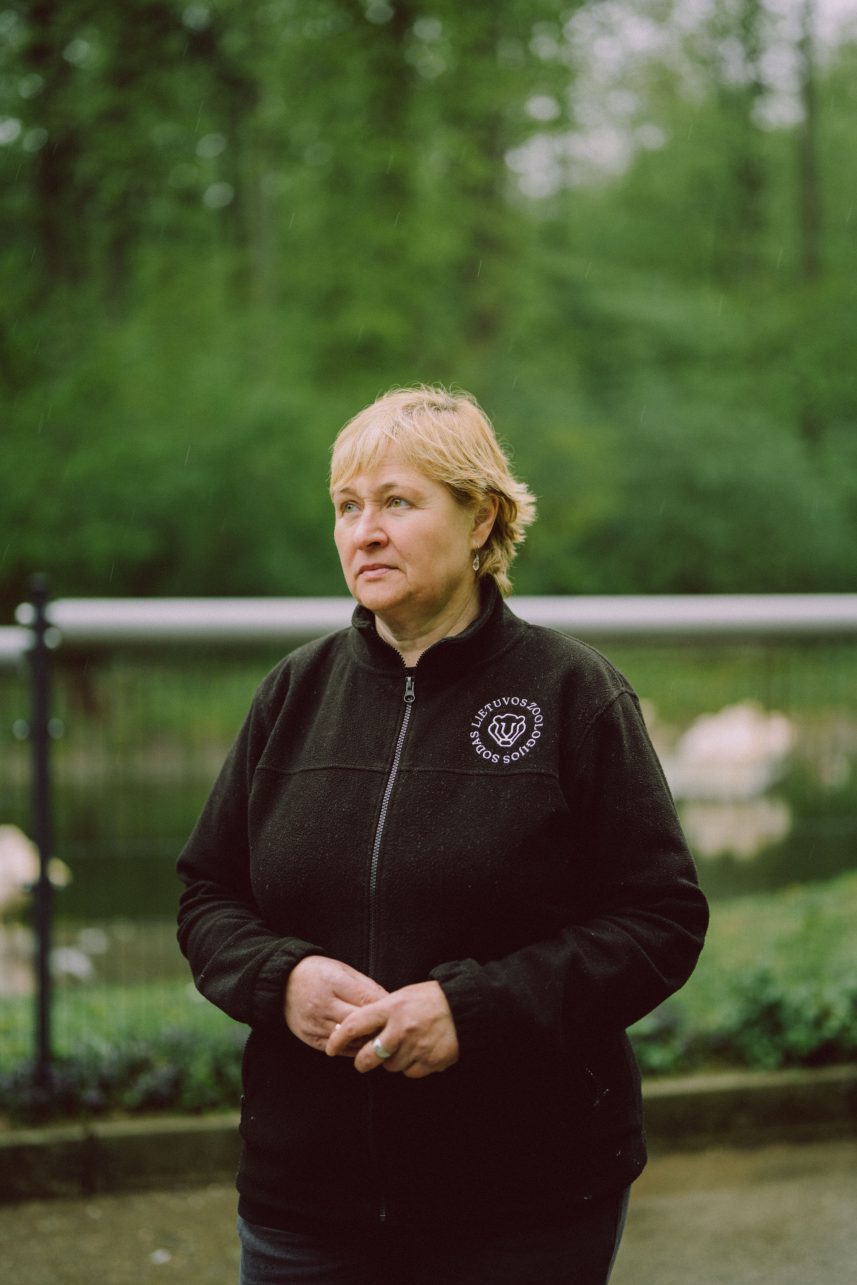
On a rainy early morning, I was greeted at the zoo by public relations specialist Gintarė Dočkienė. Sheltering beneath umbrellas, watching the animals wake up, and listening to the rain drumming around us, we made our way to the lower part of the zoo grounds. There, ready for our conversation, was biologist Rasa Mikuličienė, head of the lower section of the zoo and a longtime member of the bird department, where she has worked for more than three decades.
Kaunas, the most suitable place
Before we even start talking about the present, we inevitably have to go back to the beginning. To help me understand the origins of the zoo, specialists from the Tadas Ivanauskas Zoological Museum in Kaunas shared insights from their book, “Akademikas Tadas Ivanauskas – modernios Lietuvos valstybės pamatų kūrėjas” (Academic Tadas Ivanauskas: A Builder of the Foundations of the Modern Lithuanian State).
One of the founders of the Lithuanian Zoo, the naturalist, biologist, and professor Tadas Ivanauskas, devoted his life to nature. He believed that only a real, living animal can truly help people understand animals, and that nowhere else in Lithuania offered more suitable natural conditions for a zoological garden than Kaunas. Tadas Ivanauskas was one of the first people in Lithuania to speak about nature conservation. He studied birds, became the first person in the country to begin bird ringing (banding), and worked to protect the Žuvintas Biosphere Reserve. His original vision for the zoo was to introduce the public to the animals living in Lithuania and their protection. Nearly a hundred years later, the zoo itself has changed greatly, but its mission remains much the same: to protect endangered species and to foster a closer relationship between people and nature.
Bird diversity and conservation
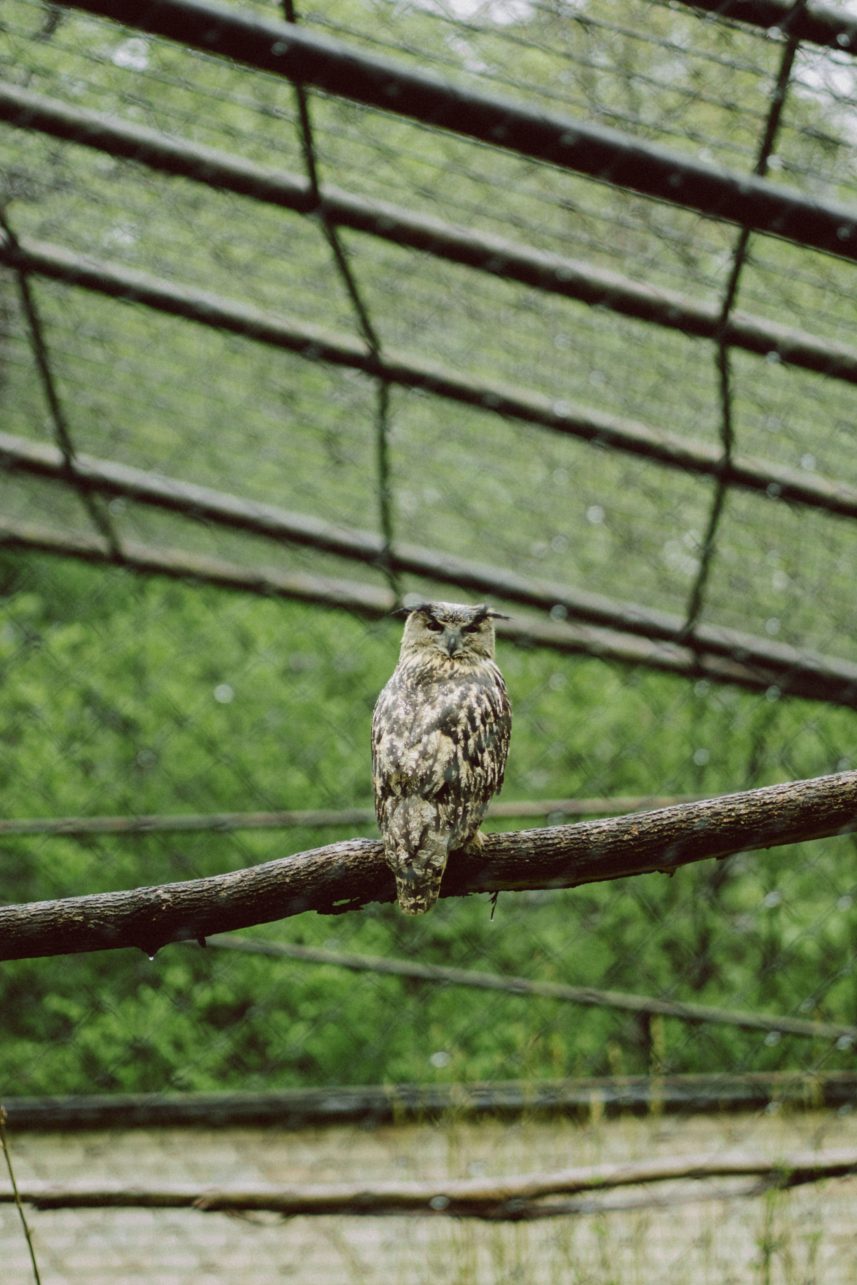
Today, 22 bird species live in the lower section of the zoo grounds, nearly half of which are protected species. Among them are the Eurasian eagle-owl, barn owl, white-tailed eagle, Steller’s sea eagle, black stork, and European roller. The zoo is also home to several parrot species, including the Sulphur-crested cockatoo, green-winged macaw, and African grey parrot, which are rapidly declining in the wild due to habitat loss, deforestation, the destruction of nesting sites, and illegal trade. According to Rasa Mikuličienė, people often underestimate the level of responsibility that such animals require; parrots live for many years and need constant care and attention. As a result, some eventually become unwanted and are abandoned, often leading to their death.
Today, the biologist emphasizes one of the most important functions of the zoo: the preservation of endangered species. The Lithuanian Zoo is currently carrying out two major projects; the breeding and reintroduction of the Eurasian eagle-owl into the wild, and the improvement of the conservation status of the European roller. The Eurasian eagle-owl is considered an extremely rare species in Lithuania. Therefore, in cooperation with the Ecosystem Protection Centre, efforts are focused not only on preserving birds living in captivity but also on returning them to their natural habitats. At present, a breeding pair being monitored in Šiauliai is raising its second brood of chicks this year. The male is believed to have been bred either at the Lithuanian Zoo or at the Ecosystem Protection Centre.
At the beginning of the project, birds were brought from various European countries to maintain as much genetic diversity as possible. At the zoo, they were provided with nesting conditions that closely resemble those found in the wild. The chicks bred there are later released into the wild using a soft-release method; a window in the acclimatization aviary is opened, allowing the birds to decide for themselves when to fly away. According to the biologist, this is a lengthy process that requires patience, as it is impossible to protect birds from every danger or teach them everything they need to survive in the wild; they must learn that on their own.
The zoo also contributes to improving the European roller’s conservation status in Lithuania. Although the results of the project are still awaited, the work extends far beyond breeding alone; habitats are being restored, and supplementary feeding programs are being carried out. According to Rasa Mikuličienė, many species today would be doomed to extinction without human assistance. For this reason, animals are kept in zoos not only so that people can learn about them, but above all as a way of “repaying a debt to nature.”
The zoo’s visitors and residents
The zoo is located next to Oak Park, and for many years it has served as a natural habitat for numerous bird species, attracting many visiting birds as well. Food is abundant here; insects, seeds, berries, and acorns, so great tits, mallards, and great spotted woodpeckers are regularly seen throughout the grounds. Depending on the season, waxwings, Eurasian bullfinches, and grey herons also stop by. The employees have even nicknamed the Eurasian jay the “forest police,” because these birds are quick to reveal the hiding place of a tawny owl. By making a great deal of noise, they attempt to organize a kind of “mobbing” campaign with other birds, driving the owl out of the area. According to the biologist, the zoo staff observes and cares for these wild birds as if they were their own. In winter, they put up feeders and make sure food is available. The zoo lives in harmony with nature: the changing seasons are vividly apparent here, and both people and animals experience them together.
Visitors often ask, “How do animals end up in a zoo?” The interviewee explains that animals are not captured in the wild; the zoo has no such right, nor does any private individual. Instead, animals are transferred between zoos through international cooperation using the ZIMS (Zoological Information Management System) database. To obtain an animal, a zoo must demonstrate that it can provide appropriate living conditions for that species. The zoo pays great attention to enriching the environment of animals and preserving their natural behavior; birds are provided with opportunities to search for food, hatch, build nests, and form pairs. The goal is to ensure that, even in captivity, they can behave as naturally as possible and wouldn’t feel confined.
The importance of the zoo to the city
Speaking about the zoo’s significance, the specialist notes that people come to the zoo during all three major stages of life: as children, as parents, and later as grandparents. It is a place where visitors can not only see animals they would most likely never encounter in the wild but also reconnect with nature. For Kaunas, the zoo is important as a historical site as well, one that embodies the ideas and vision of Tadas Ivanauskas.
Today, the Lithuanian Zoo is the country’s only state-owned zoo and the largest zoological garden in Lithuania. It recently became a full member of the European Association of Zoos and Aquaria. According to public relations specialist Gintarė Dočkienė, this membership reflects the zoo’s high standards of animal welfare and nature conservation. The zoo is not contact-oriented; the aim is to maintain respect for wildlife and create the most natural living conditions for animals, allowing them to choose when to rest and when to be visible to visitors.
According to Rasa Mikuličienė, people often do not stop to consider just how beneficial certain species are. Birds, for example, help control insect populations, maintain ecological balance, and protect gardens and crops. “If any part is removed, the entire chain will fall apart,” the biologist says. According to her, it is precisely such places as the zoo that can remind us that we do not live alongside nature, but in it. And we still owe it a great deal; we are, in a sense, living on borrowed credit.