Celebrating its 60th anniversary this year, the institution, located next to the so-called Blind and Visually Impaired Intersection on Savanorių Avenue, is still not that familiar to Kaunas residents. For many years, it was known as the Lithuanian Library for the Blind, but in 2023, it changed its name to the Lithuanian Audiosensory Library (LAL), emphasizing openness and a broader audience of readers for whom printed text often becomes a challenge, not only because of visual impairment.
I hurried to the newly renovated library space, where LAL representatives for the Kaunas region, Gintarė Navakauskaitė and Greta Ščeliokaitė, as well as visitor Simonas Kriaučiūnas, were waiting for me, through the underground pedestrian crossing whose design and construction, incidentally, were once initiated by the Lithuanian Association of the Blind (now the Lithuanian Union of the Blind and Visually Impaired). When asked whether they often have to explain what kind of library this is, the interviewees nod without hesitation. Gintarė and Greta note that for some people, it becomes much clearer once the former name is mentioned.
A few years ago, LAL director Inga Davidonienė said in a press release about the name change, “Our library’s previous name emphasized disability and exclusion, which is an approach that does not correspond to current trends toward inclusion. When the name refers to a specific audience, it is difficult to prove that we also provide services to others who are unable to read regular text.”
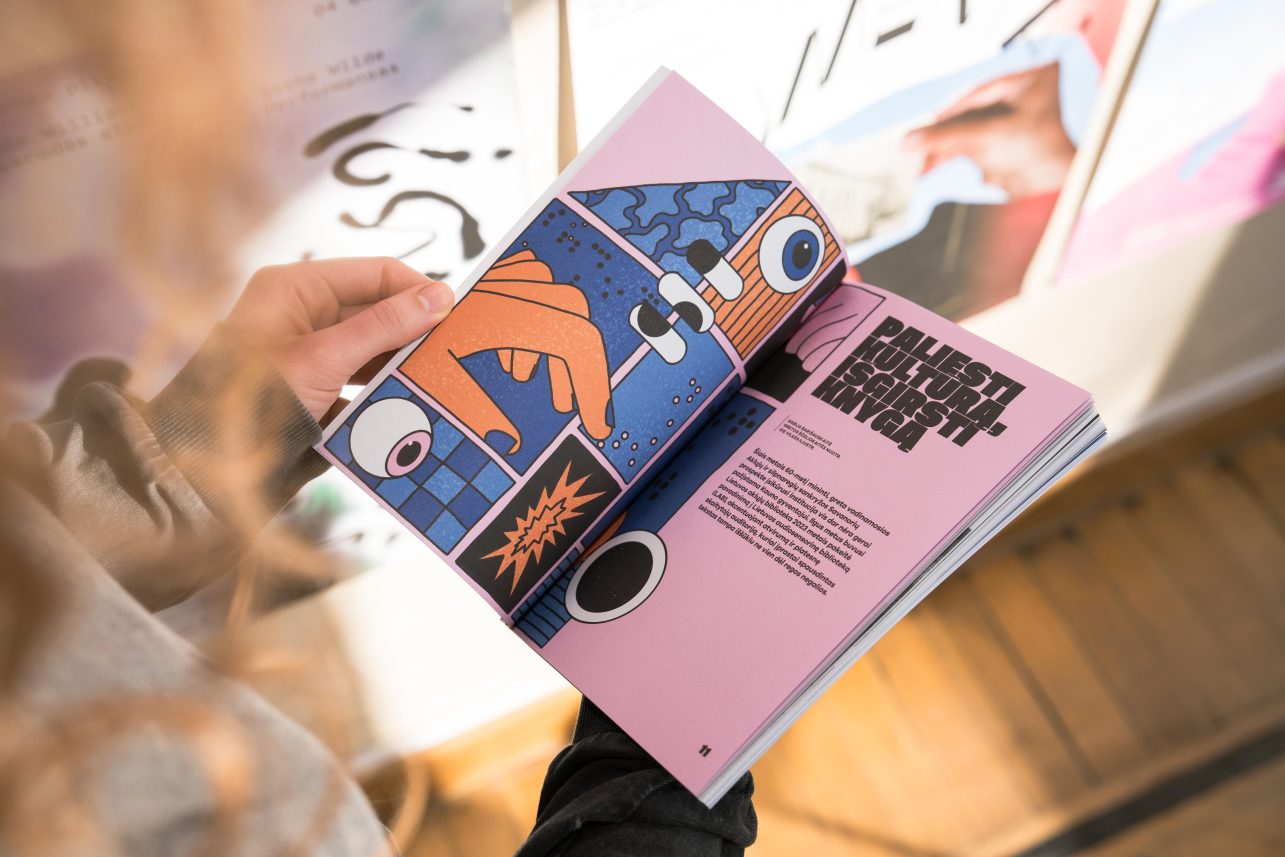
(Text by Gabija Barišauskaitė. Photos by Greta Ščeliokaitė, Illustrations by Gie Vilkė)
“It was the old name that gave the impression that we only serve people with visual impairment, although our audience is much more diverse,” Gintarė says. Both interviewees explain that the library’s new name primarily emphasizes publications in accessible formats: audiobooks, Braille, EPUB, and other types of books. However, this does not mean that only people who cannot (or can no longer) read regular printed text visit the library. “The library is open to everyone who feels comfortable here and is interested in the events we offer. We try to ensure that this library is not a closed space, and we can see how the circle of visitors is expanding.”
Reader Simonas has been visiting the library since 2008, and after a short break, he noticed a change when he returned: the library has been renewed, it is pleasant to meet young, curious, and helpful people, the staff always help him choose literature, and what encouraged him the most to return were the new events. When asked about the activities offered by the library, Greta and Gintarė laughed, “It would be easier to say what we don’t do.”
Indeed, the range of activities breaks the stereotype many people have about a librarian’s work. Of course, the main service is lending books. Another important service is training people to use the virtual library ELVIS, created by LAL, which already contains nearly 16,000 publications in accessible formats. The staff also organizes cultural events and activities aimed at improving media and information literacy, and they conduct various educational programs, both for the general public and for specific target audiences. These services are provided, and cultural events take place across the entire Kaunas region, where more than fifty library partners are scattered: branches of the Lithuanian Union of the Blind and Visually Impaired, social service institutions, disability communities, schools, and others.
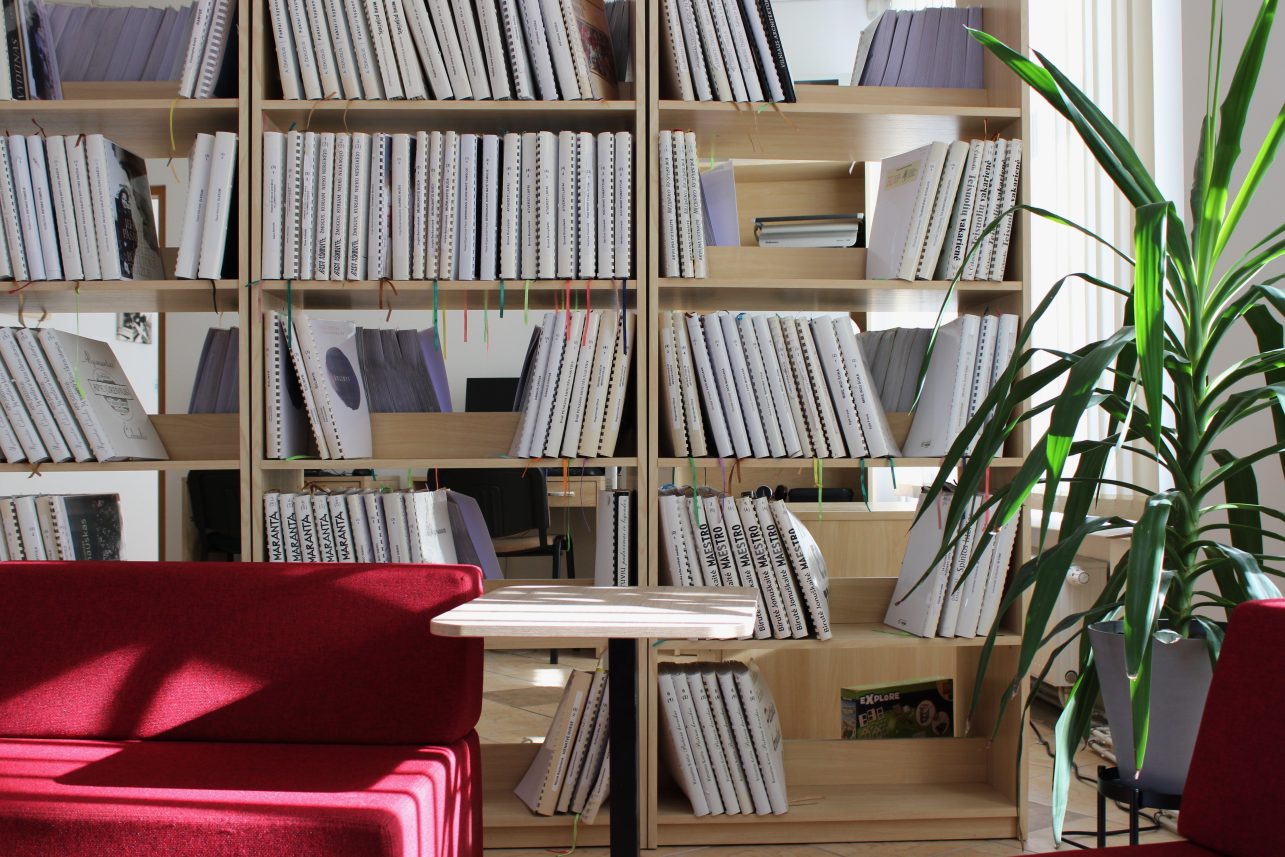
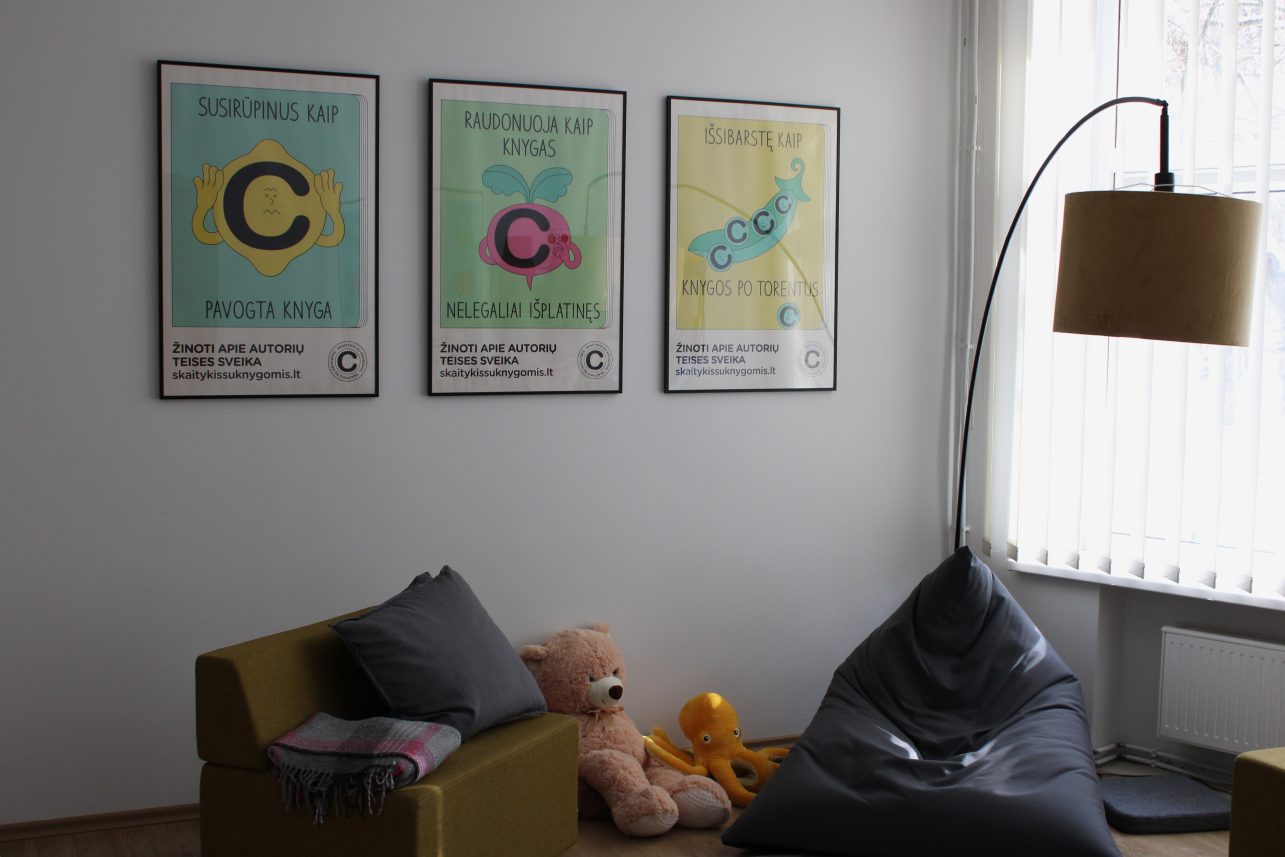
The interviewees note a strong demand for literary events. Gintarė’s readers’ club eventually grew into literary lectures introducing contemporary or lesser-known or sometimes forgotten authors. To prevent readers from losing their club, Greta took over the helm. The cultural, educational, and tolerance-building aspect is like an invisible mission of this library. “We focus not only on a person who has a disability, but also on the fact that they are part of society. We need to break myths and foster understanding,” Greta emphasizes. Visitor Simonas also highlights the library’s uniqueness; according to him, the institution propagates a different worldview and understanding.
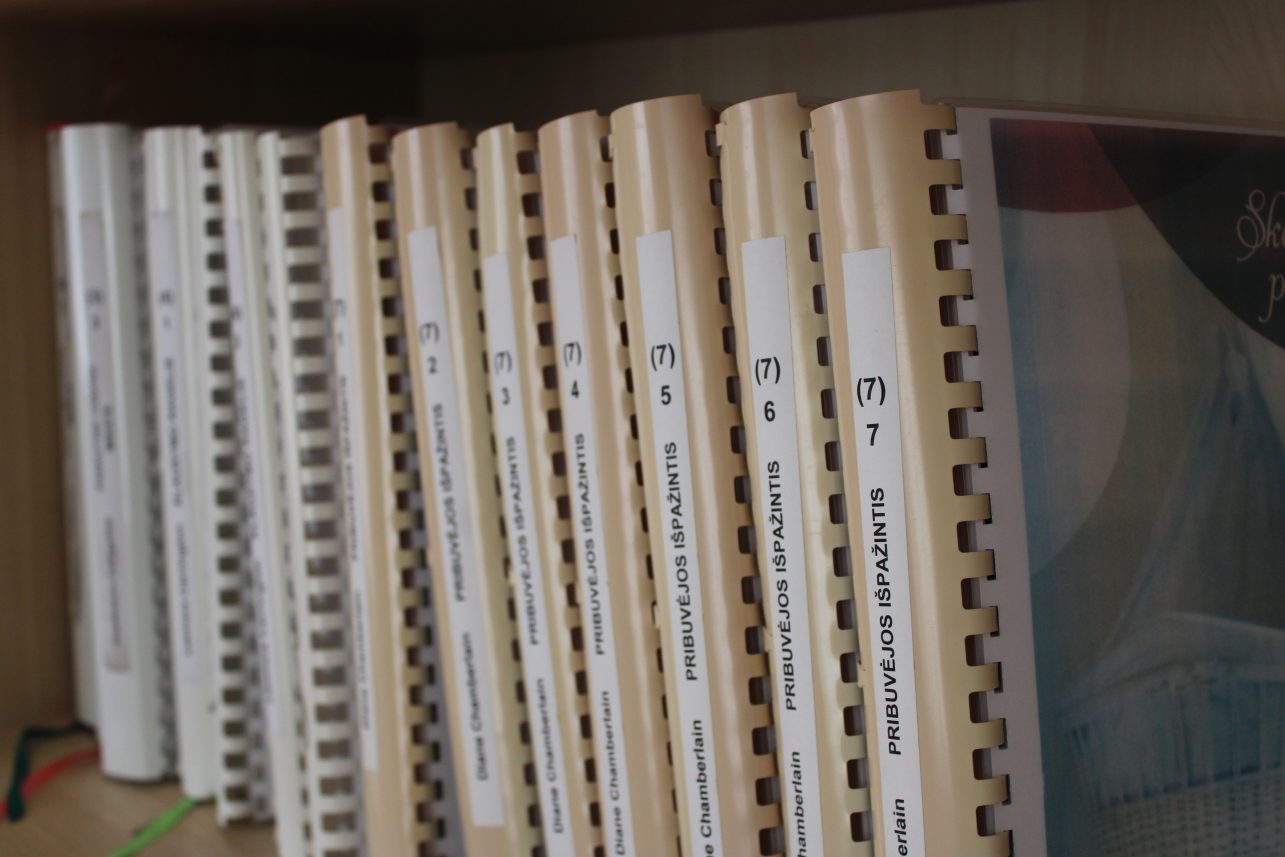
When discussing accessibility to culture, we often emphasize ramps and lifts that help people with disabilities enter events. However, for the readers of this library, accessibility primarily means the ability to read. “Culture to your home” could describe the Audiosensory Library’s service of delivering braille or audiobooks directly to readers’ homes. One such reader is Rasa, whom I spoke with on the phone and who has been reading braille and listening to audiobooks since first grade. She has been using the services of this library for as long as this library has been around, because audiobooks simply weren’t available elsewhere. When asked about the home delivery service, she says that she wouldn’t be able to read otherwise, because, unfortunately, she doesn’t have the opportunity to travel there herself.
Every time you come here, even if there’s no sun outside, it shines inside.
Lina, a reader who uses these services, was introduced to the library and braille while still at school and still remembers a book in braille she read as a teenager: Irka’s Tragedy by Šatrijos Ragana. Like Rasa, she emphasizes the library’s role in making reading possible; otherwise, it would be very difficult to obtain books. As audiobooks become increasingly popular, the question arises: which format is more enjoyable for a reader with visual impairment? Both women agree that reading in braille is more enjoyable for them, and they cannot imagine their lives without these books. It is a sensation in the hands, a moment of being with oneself, with full attention focused only on the book. Audiobooks can play in the background while doing something else, whereas a braille book requires you to be fully present with it. Library staff suggest that this may be why younger blind readers – whose daily lives tend to be quite active – are increasingly choosing not to read in braille.
In the Audiosensory Library, people come not just for the books, but also for other people. For example, Rasa often participates in cultural activities organized in the Kaunas region by the Prienai branch of the Lithuanian Union of the Blind and Visually Impaired. “It’s easy to isolate yourself at home when you have a disability,” says Simonas, “That’s why a place where you feel welcomed and understood becomes more than a cultural institution – it allows you to be part of a community.”
According to visitors, library events broaden their horizons, allow them to discover new literature, and, most importantly, bring them closer to culture in a way that eliminates feelings of isolation and loneliness. Greta and Gintarė describe visitors as curious, sometimes demanding, intellectual, but most importantly, sincere. These are curious people who discuss, share ideas, and often shape the range of the library’s activities. The employees emphasize that this place is important for the whole of Kaunas. The library breaks down invisible walls between people with disabilities and the rest of society. Increasingly, other cultural institutions also turn to LAL for advice on how to adapt spaces, how to provide information, and how to ensure that a visitor with a disability feels independent and comfortable upon their arrival. In this way, the institution shapes a modern attitude toward disability not only within its own walls but beyond them as well.
The library also spreads its message more widely by participating in the city’s cultural life. For the third year in a row, it has been taking part in the Friends program of the Kaunas Literature Week festival, presenting the Reading Experiences installation at the Liberty of Books on Saturday. The festivalgoers can hear how different audiobooks can sound, touch a text in braille, and learn about the ELVIS audiobook platform and the EPUB format. In addition, LAL organizes the largest Dyslexia Awareness Month event – the Non-Reading Festival – which this year will take place in Kaunas in October.
In a city where cultural life pulsates with festivals, events, and exhibitions, this library operates more quietly. Yet it is precisely this quiet work that changes the texture of culture. “Every time you come here, even if there’s no sun outside, it shines inside,” says Simonas. Perhaps this inner light is what the Audiosensory Library gives to the city – not only books in accessible formats, but also a space where culture is experienced and accessed by everyone.