If you browse ten publications in a book and magazine store while in New York, there’s a good chance that at least one of them was printed in Kaunas. You might be surprised, but for the Kopa printing house, this is everyday life. The name of this printing house, operating in the Kaunas district, is well known to representatives of the fashion, film, and other industries in the United States, Germany, the United Kingdom, France, and Australia. If you, like me, have found yourself asking a question with a hint of inferiority, “Why would Americans print in Lithuania?” I invite you to take a look behind the scenes of Kopa. The company, which has celebrated its anniversary, has achieved international recognition through a steadfast commitment to client trust, quality, and consistency (there was even a time when they had to convince foreign clients that everything in Lithuania was just fine).
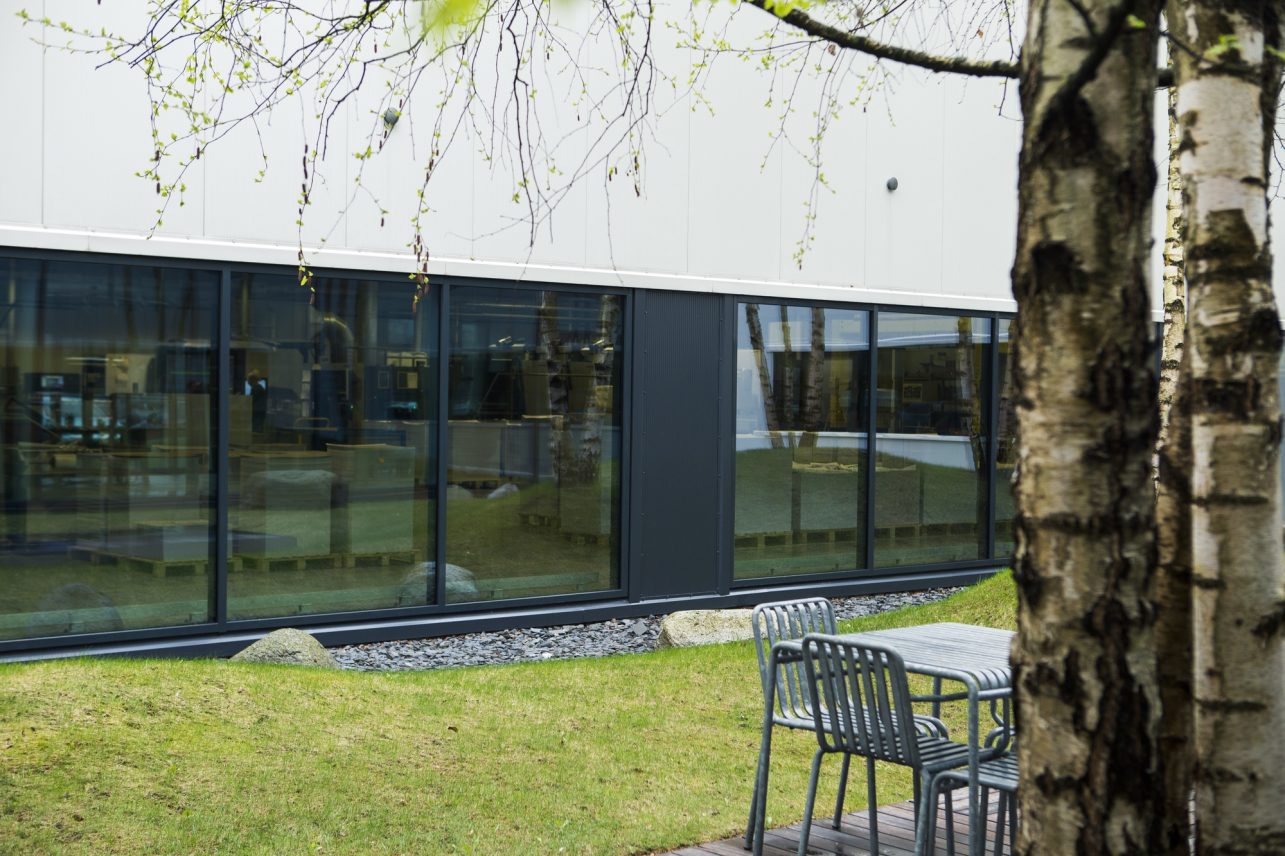
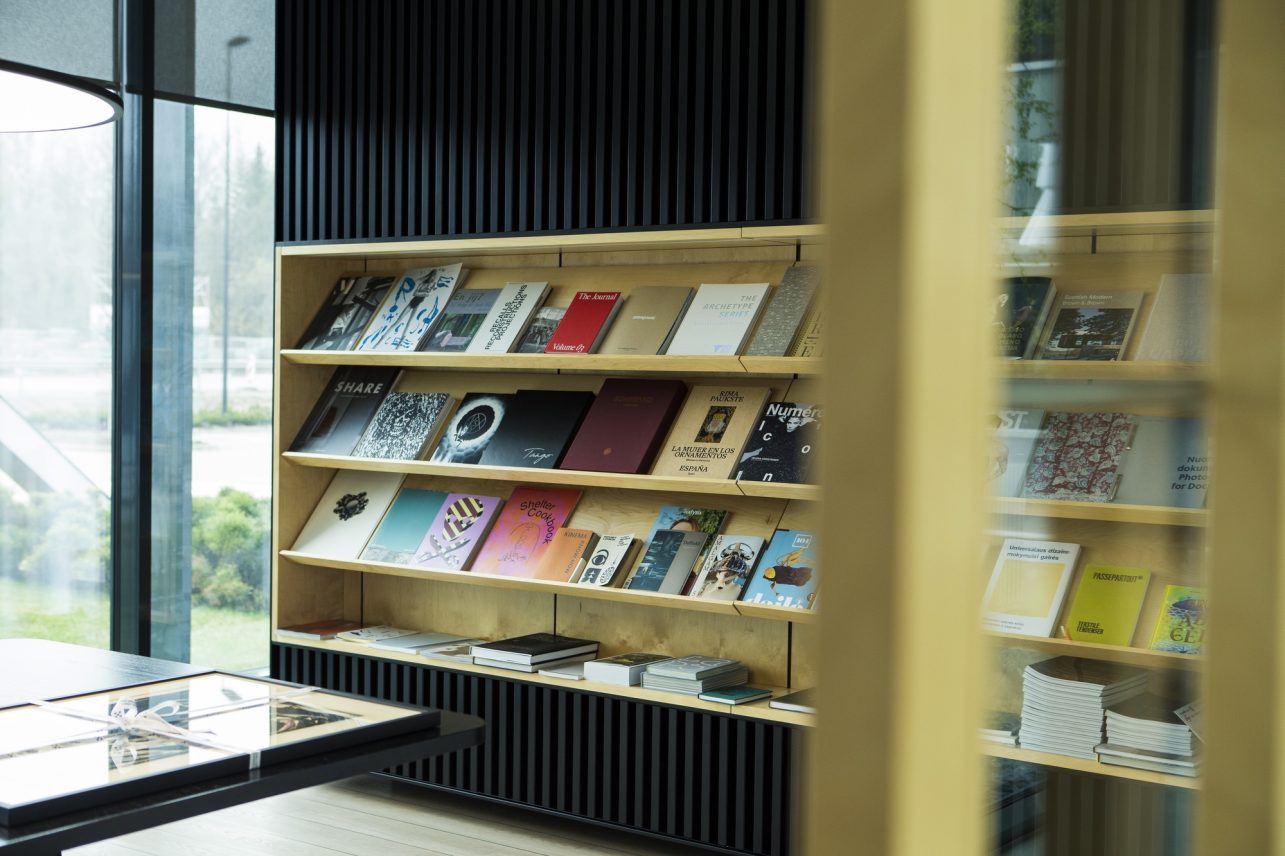
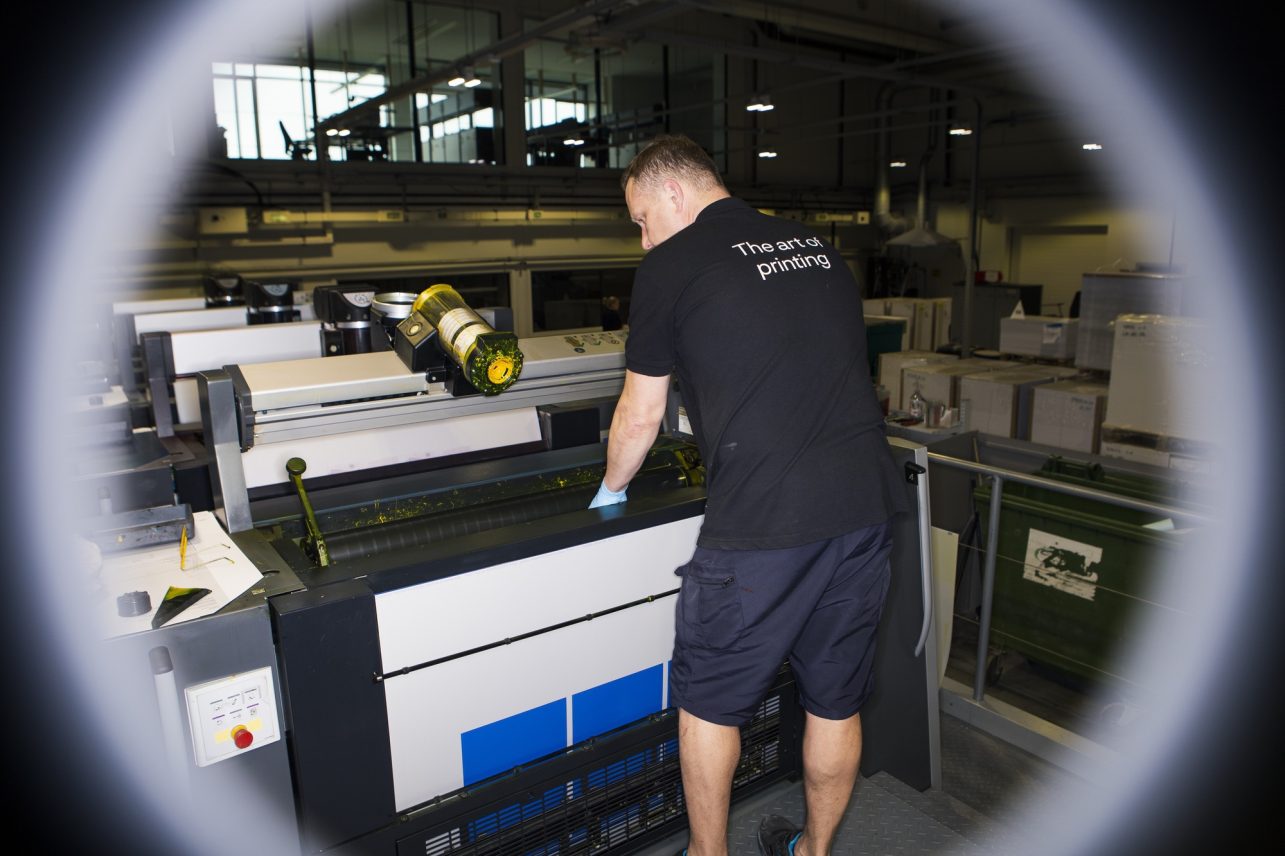
We met a day after Kopa’s 35th anniversary celebration: the company’s history has gone hand in hand with the history of Lithuania’s independence. Three people sitting at one table in the attic of Gedimino St. 13 combined various organizational activities into a small advertising agency. Over time, by doing “a bit of everything,” Kopa refined its focus to printing services alone.
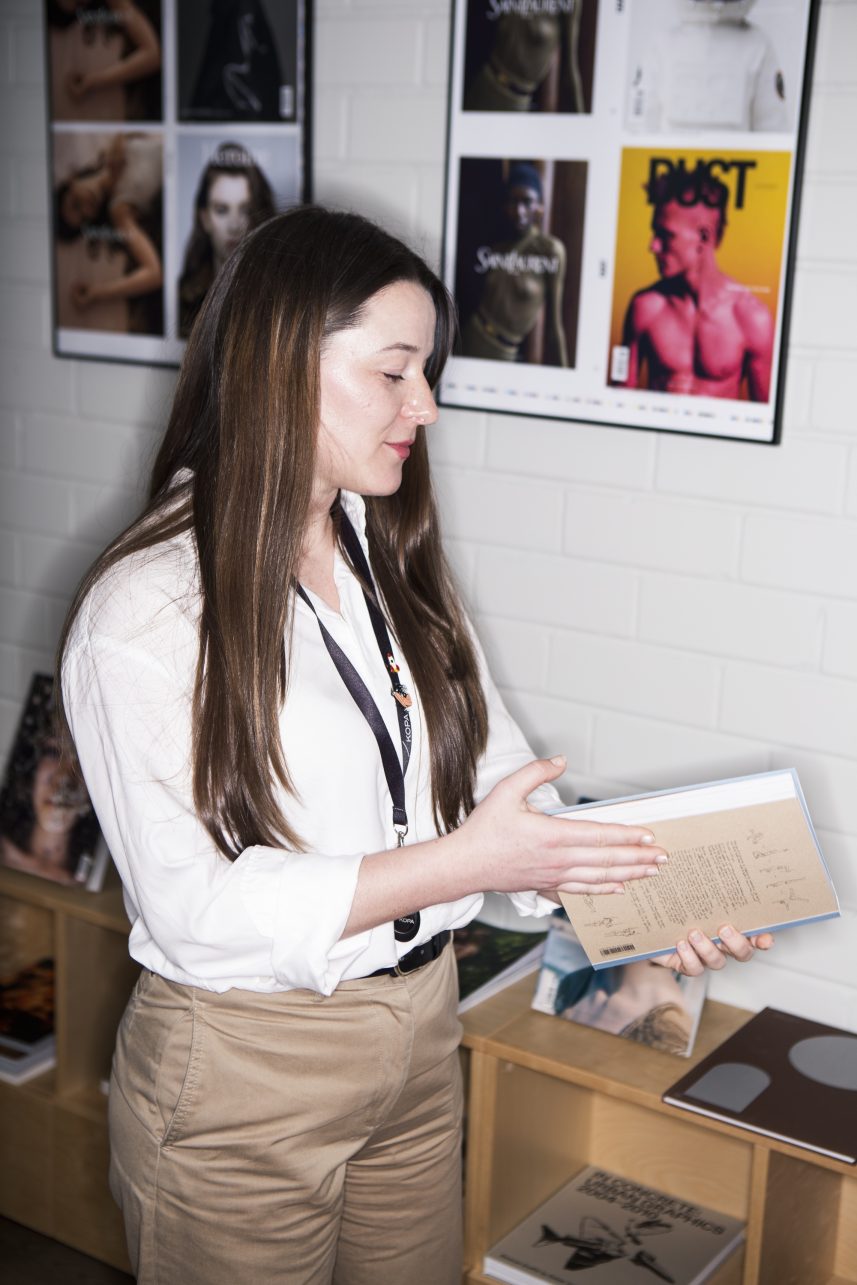
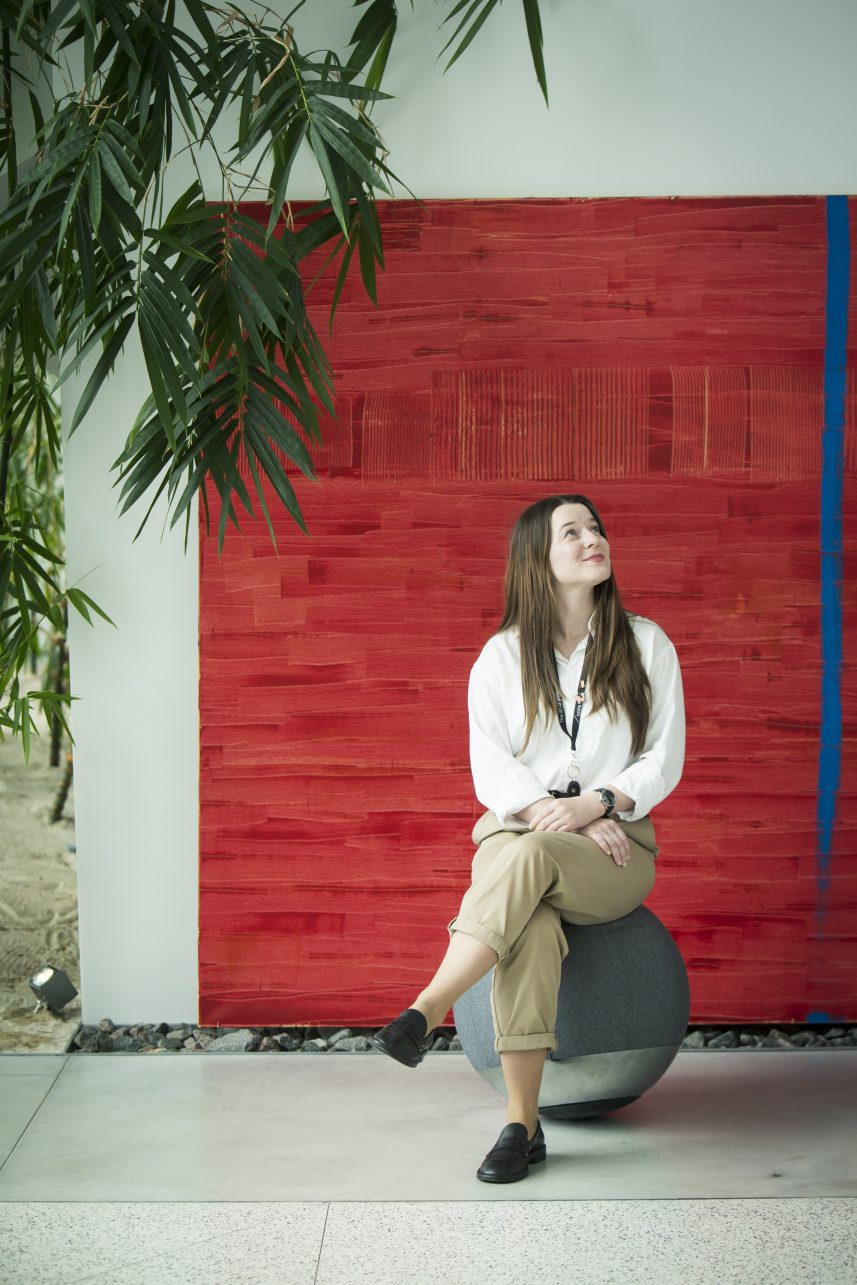
We spoke with sales manager Aistė Mudėnaitė, who joined her parents’ business after many years of studying and living in the United States and France. She says there was never any pressure to get involved; she returned to Lithuania during the lockdown and joined the printing house’s team only when she felt she had something to contribute.
Kopa then and now
“Twenty years ago, we probably would have been talking about how we print books for Lithuanian companies, small promotional materials, and product catalogs,” says A. Mudėnaitė about the growth of Kopa, at a time when she wasn’t yet working there.
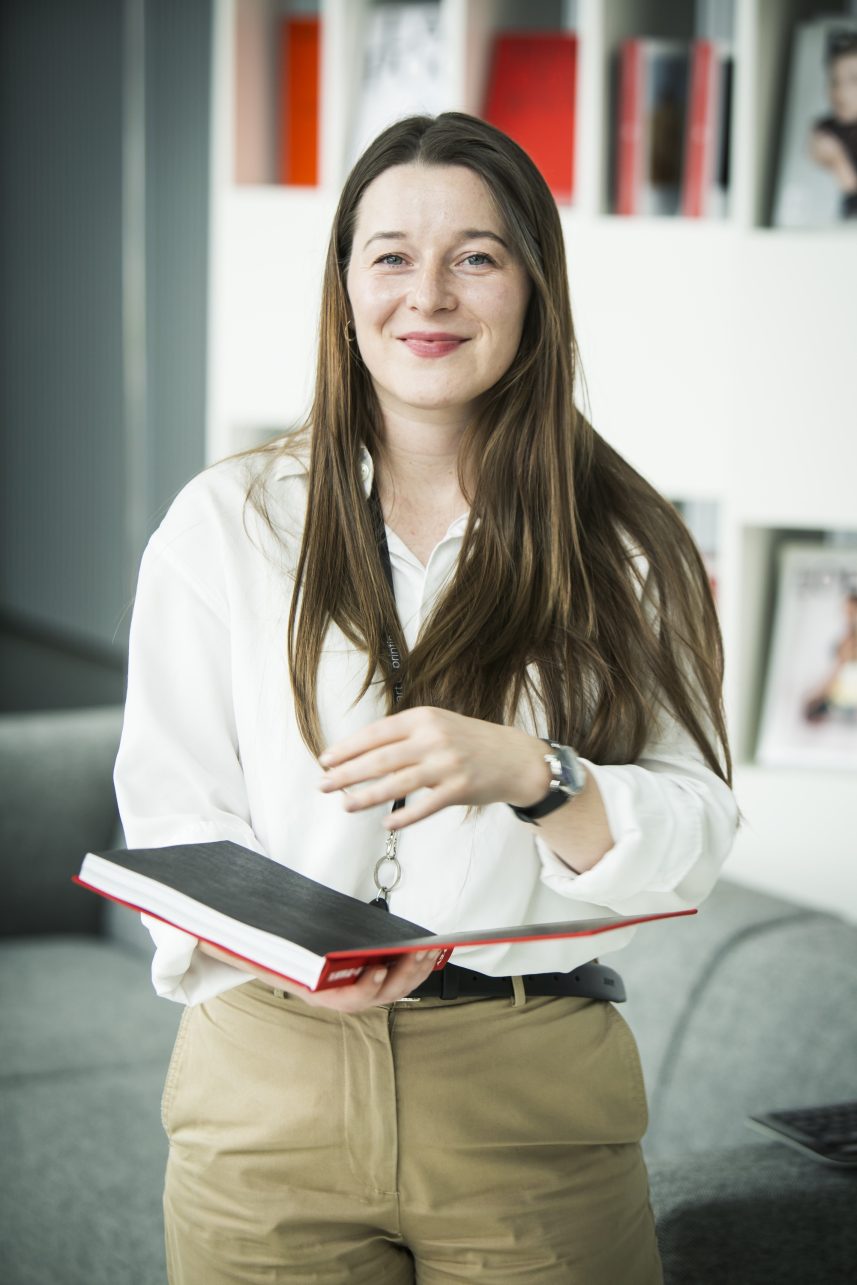
Today, Kopa’s clients include Patagonia, beloved by travelers and performance wear enthusiasts; the European Organization for Nuclear Research (CERN), and the film studio A24, whose movies (e.g., “Total Drama”) you may have just seen in cinemas. Aistė recalls that the London-based podcast “Monocle” named Kopa as one of the most renowned destinations in the world for high-quality magazine printing. In the world!
What image comes to mind when you think of a printing house? Mudėnaitė laughs that when she talks about her work, she is met with the following attitude: “Where do you work? In a printing house? They still exist?” “But in fact, I’ve never had such a dynamic job or lifestyle as I do working in printing,” says the woman who has worked in both the luxury and technology industries.
The financial crisis of 2008 pushed them to set their sights on international markets and exports. “When you attend global events, you start to see the bigger picture – it’s a massive industry, and it’s not going to disappear. Sometimes I feel like I’m at a printing fashion week – Milan, London, New York, Paris, you continue to travel in this circle. Printing touches on so many areas, so there is always something going on,” the sales manager says.
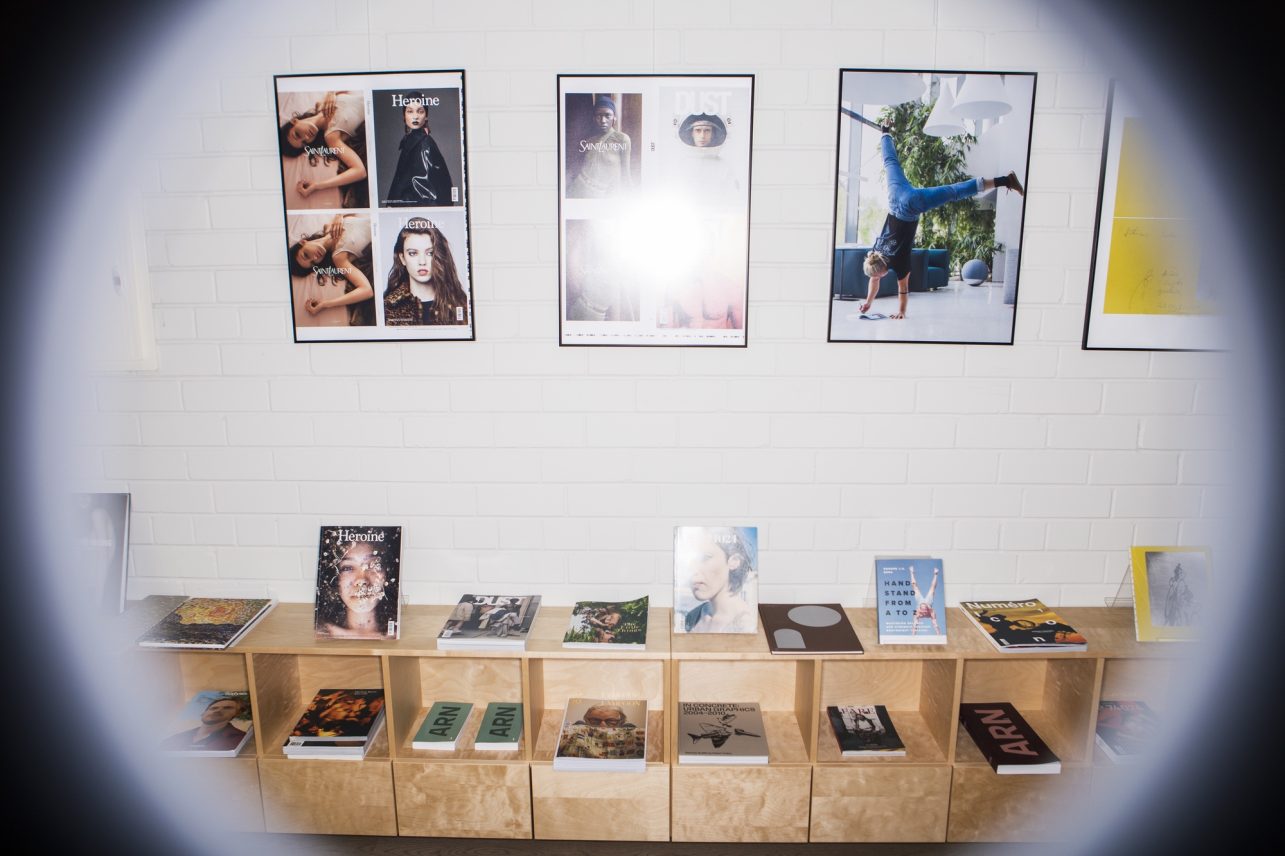
However, what pleases Aistė most is when recommendations spread by word of mouth. “Sometimes a huge brand contacts us directly – they say that they’ve seen our publications or that colleagues recommended reaching out to us. That means someone is spreading a good word about us in the US.” However, this did not happen on its own. “Ten years ago, we felt that abroad – even in Europe – we also had to introduce people to Lithuania. The first task was to simply convince people that everything was fine in Lithuania and then talk about the company.”
Speaking about what makes Kopa stand out in the global market, the interviewee first mentions the very different needs of clients. Some find that service providers in America lack variety in paper and finishing options, they feel constrained there, whereas here they can fully realize their ideas.
And then, there’s also the choice of technology by each printing house. “Our strong suit is color printing. We invest heavily to ensure that colors are beautiful, high-quality, and vibrant. For example, we have a printing press with UV technology that allows us to achieve particularly beautiful results on offset paper,” A. Mudėnaitė says.
Happy customers
Still, clients return not only because of printing technologies – they return because of trust. If you have ever published a book, a product catalog, or stayed up late before an exhibition opening designing labels, you know the kind of eye-twitching a single millimeter shift, an incorrect color code, or paper that’s too thick can cause. So what determines the successful production of a product? When are clients happy and designers well-rested?
According to Aistė, the most important thing is the symbiosis between these three factors. The earlier the printing house is involved in the publication planning process, the sooner the design perspectives are visible. “Designers don’t always know all the technological aspects, and some things are impossible to fully know, even when working in a printing house – some techniques are mastered only by certain specialists. Sometimes reducing a publication by just 5 millimeters can cut the project budget in half. But if the printing house is contacted only once the final layout is ready, such optimizations are no longer possible.”
Still, Kopa considers its commitment to clients to be an unquestionable factor. “Of course, there are exceptional cases when we encounter something new, when the challenge surprises even us. But if we say we’ll do it, you can trust us. And if we know it won’t work, we inform the client immediately as well. Clients also have their own obligations. We can’t say, ‘Oops, it didn’t work out,’ because if a publication isn’t finished on time, it may no longer be needed at all. To us, that’s simply self-evident.”
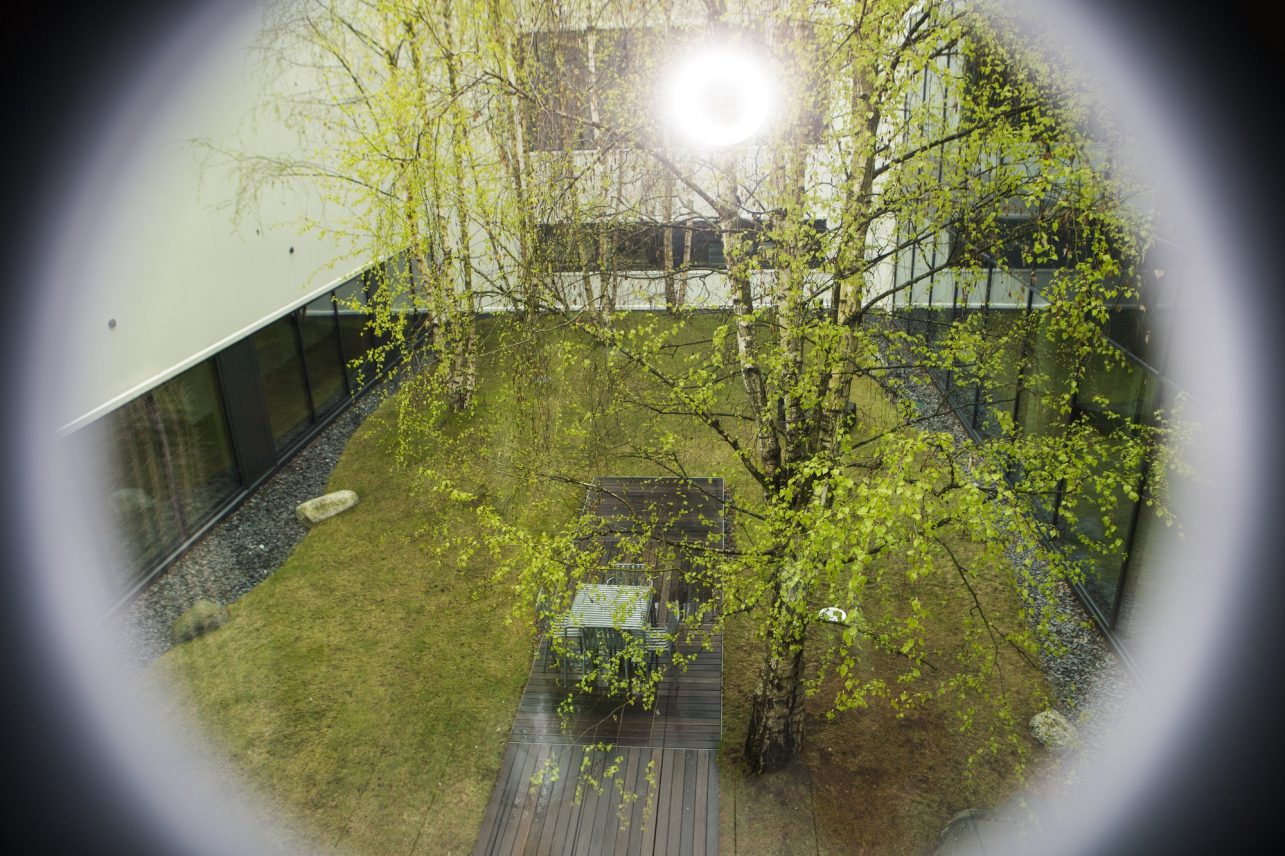
The interviewee also speaks about the company’s efforts to create a comprehensive experience for clients that would distance the printing house’s image from the Gutenberg press. “We want both to work and to present ourselves in a way that makes clients feel, ‘This is our partner.’ The architecture of this building, the interior design, and the renewed brand identity are all oriented toward that.”
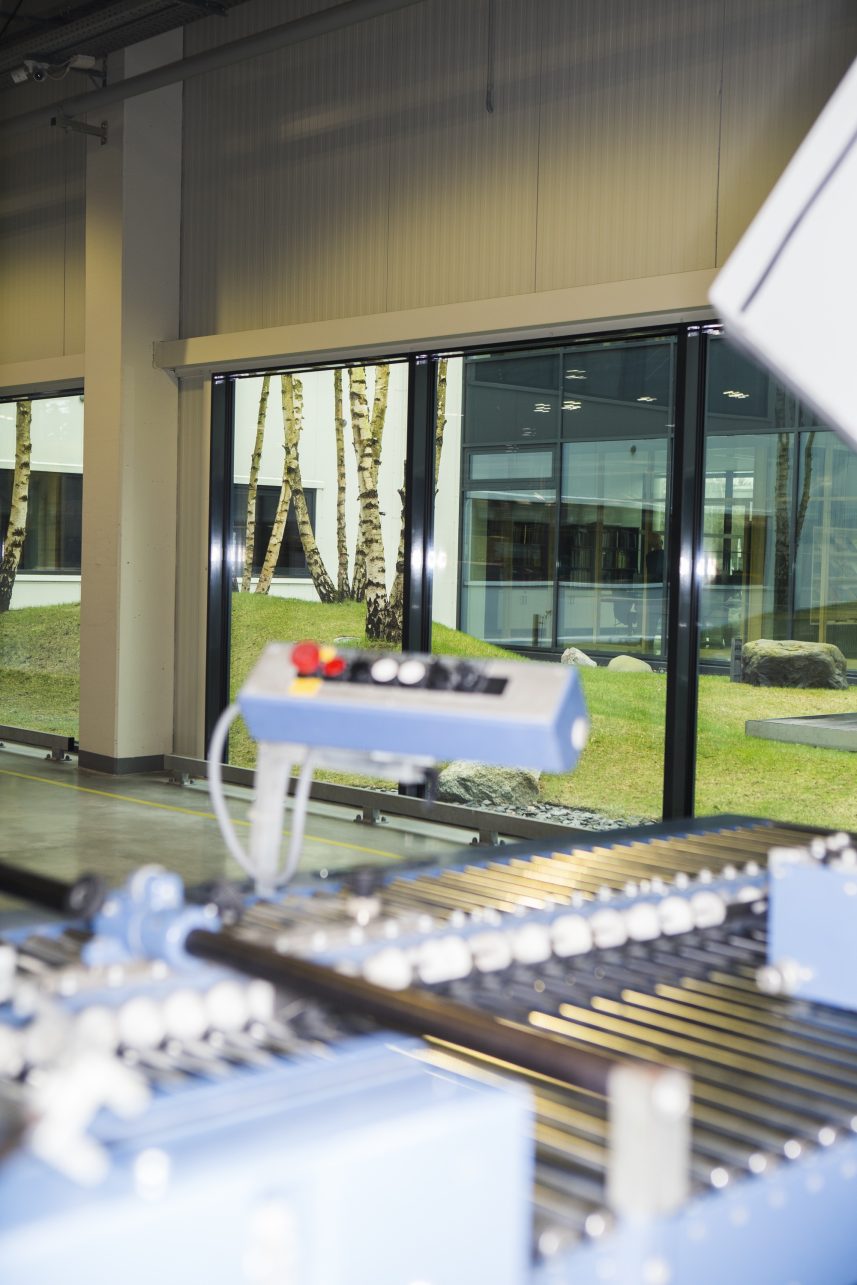
Even the client room with a sofa and a live broadcast – a large window into the production area – is inspired by a client waiting through correction processes, dozing off on the stairs.
Art vs. commerce?
Observing the productive Lithuanian art community, one begins to wonder whether the purpose of publications within a given genre is changing. Are they all still necessary, or are some produced simply out of habit?
A. Mudėnaitė sees a transformation in exhibition catalogs: “More and more, they resemble art books. Traditionally, an exhibition catalog used to resemble simple documentation. Now, museums really pay more attention to them and want them to serve as a kind of continuation of the exhibition itself. The exhibition ends, but a beautiful book can live on for a very long time and keep reminding us of it.”
The printing house does not divide its products into artistic and commercial. They say that sometimes the content may be completely different, but technologically it is the same product. However, when analyzing today’s orders, certain prevailing trends can still be observed. Many choose uncoated offset paper, whose texture gives a sense of naturalness. Today, it is possible to print bright colors on it. There is no longer a need to choose between a vibrant image and a raw, unpolished aesthetic. Speaking of binding types, the exposed spine has been popular for several years; it can often be seen among the winners of the Book Art competition as well. It also reflects the current popularity of a handcrafted feel, but there’s more to it – such a book can be opened completely flat, which allows you to have beautiful sheet photos; the publication does not need to be ‘broken’. Kopa is capable of producing as many as 13 different designs for such a spine!
Clear values
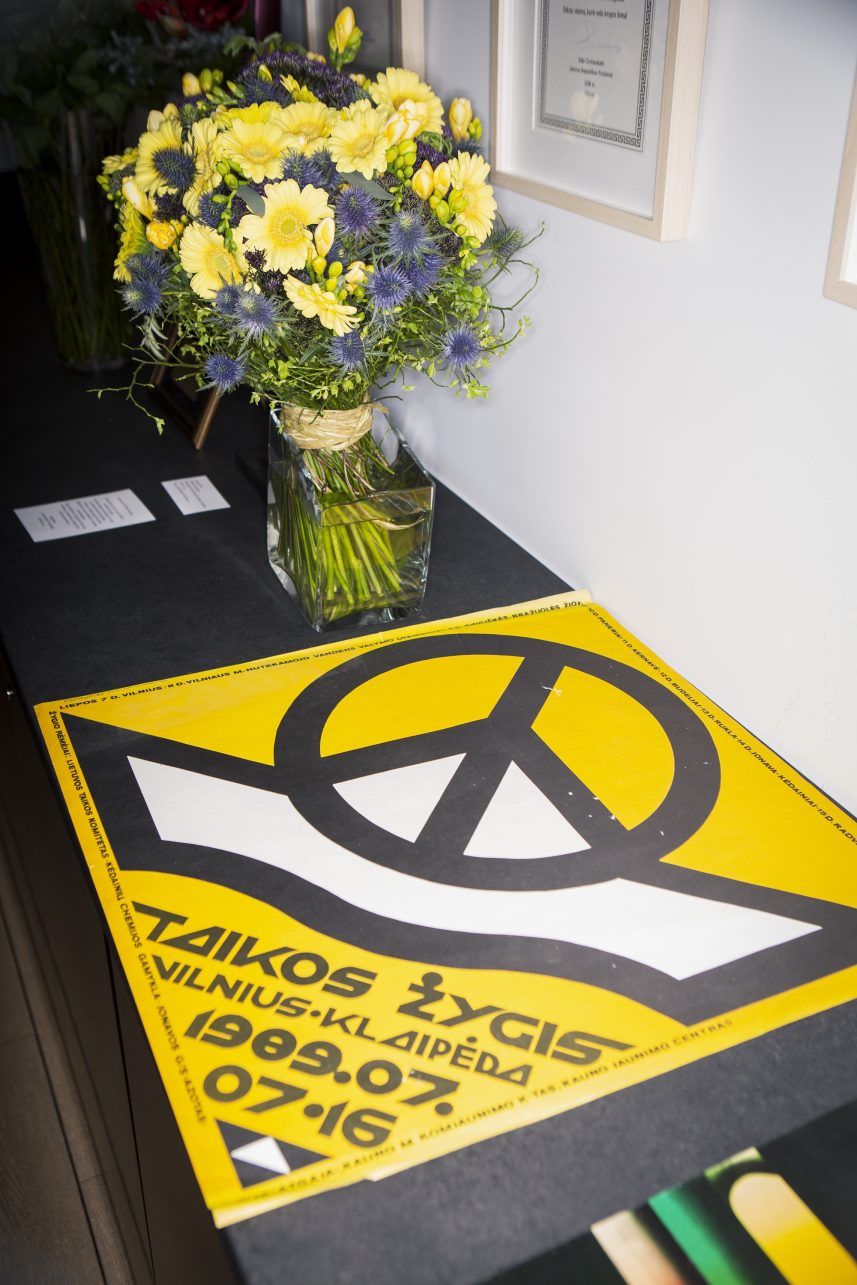
As we celebrate Press Restoration, Language and Book Day, and, over the past half year, have been discussing in various ways the importance of creative expression, it is interesting to consider whether these topics matter in the environment of a printing house. The interviewee says that sometimes they hear questions from foreign clients, such as, “Can we print this kind of publication with you? Is there any state censorship in your country?” She says the initial reaction is always genuine confusion. “Albeit only a few, such markets do exist, for example, China.”
She adds that alongside the joy of having freedom, it is also important to choose what to do with it. And when asked about values, she explains that from the very beginning, the company’s policy focused on Lithuania, while exports were directed toward Western Europe, so geopolitical changes have not created any internal dilemmas.
What’s next?
When asked what else she would like to learn, Aistė mentions better control of AI tools and shares Kopa’s plans to grow by 30 percent. “Maintaining the same quality while doing that is ambitious. Because it’s one thing to do something once, and another to do the same thing many times,” A. Mudėnaitė laughs.
Having come full circle, we return to the anniversary. Beyond nostalgia and retrospection, it is also an opportunity to project the future. When asked what she is most proud of, Aistė emphasizes the strong team: “Printing houses abroad often complain that it is very difficult to attract new people to this kind of work. There is a lot of craftsmanship in this industry, you need to master both technological and professional skills, and that doesn’t come easy. We train new employees for quite a long time so they can really get into it. Our team includes both very experienced workers, who carry the technological legacy, and younger ones who are taking over.”
“I asked Giedrius, a press operator who has been working for 29 years, what has changed the most. He mentioned that although machines and computer programs have taken over manual color alignment, his job – to make sure everything is in order – remains the same. So maybe that’s the conclusion – printing is changing, but it still needs people,” the interviewee says.
Why do people want to touch paper?
We reflect that we would probably not read a PDF file containing a thousand issues of a magazine, yet stacks of newspapers and other periodicals can still be found in many homes today (in the December 2023 issue, we also wrote about the “Kaunas Full of Culture” archive accumulated by reader Viktorija over ten years).
I share a story about my parents’ home, where, after cancelling a decades-long newspaper subscription, there was nothing left to light the fireplace with. Jokes aside, print really does take part in many of our life cycles. Even if we are digital nomads and e-reader enthusiasts (you know, the ones wearing Patagonia).
“There have been magazines that started in the digital space and just couldn’t make it work. Then they had to choose – either shut down or try printing an issue, nothing to lose. And it was precisely because of that printed issue that they moved forward. I think a physical publication is part of a broader experience: a morning ritual, the desire to have beautiful objects in your home, to keep returning to a book or magazine you love,” summarizes Aistė Mudėnaitė.
And that’s why the whole world needs services from a company in Karmėlava eldership.