I open the door of a local café, look around, and realise Justina isn’t there yet. I message her: “I’m already here.” A second later, I get a reply: “So am I!” Embarrassed, I look around once more and scurry over to the corner where she is waving at me. The beginning – both of this article and of our meeting – catches even me by surprise. After all, I had been one hundred per cent certain I would recognise her! But was that really any more unexpected than the story of how Kaunas Art Book Fair, which will take place for the eighth time at the end of September, came into being? You just have to read and find out.
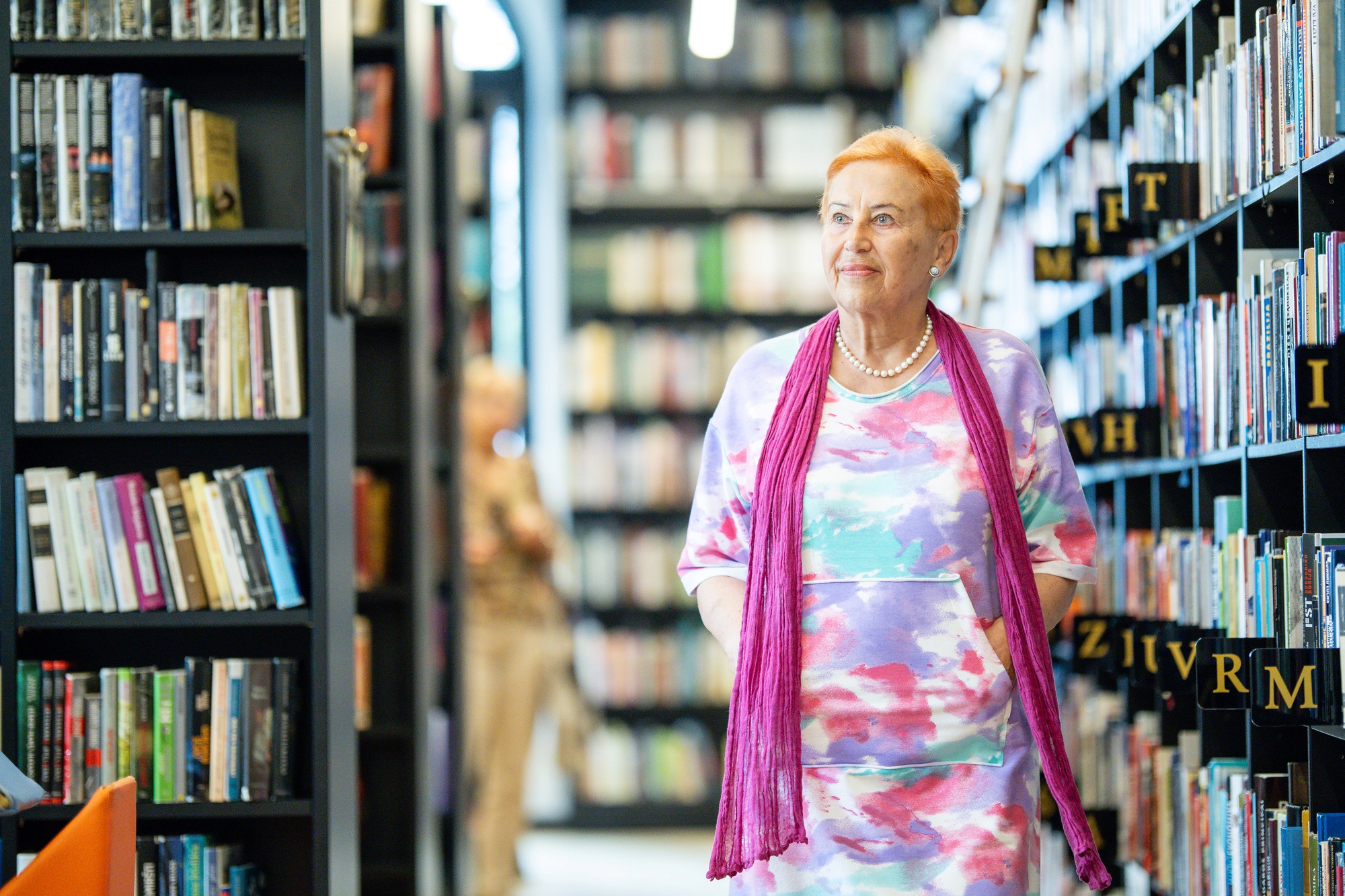
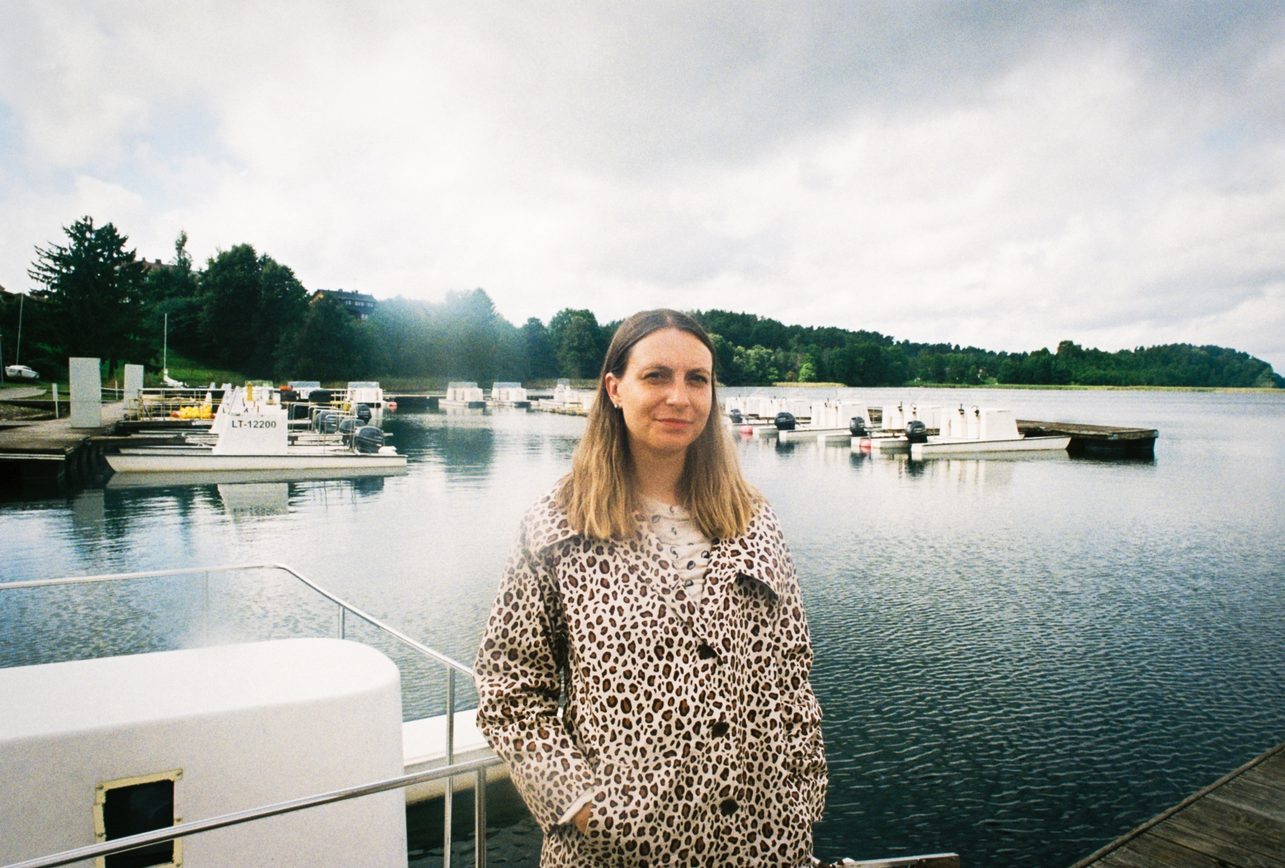
My interviewee, Justina Zubaitė-Bundzė, is one of the driving forces behind Kaunas Art Book Fair and its long-time educational programme curator, having been involved with the fair for six of its eight years.
She is also the founder of the Six Chairs Books bookshop, the director of the Paviljonas Book Weekend in Vilnius, and the person behind April, a brand-new writers’ residency space in Trakai. Quite an impressive array of cultural activities.
Justina lives in Vilnius but is a true Kaunas native. As she puts it, these days she mostly returns to the city for two reasons: to visit her parents and to take care of Kaunas Art Book Fair business. So how did this fair, which brings together art book publishers, bookshops, and artists every year, first come about?
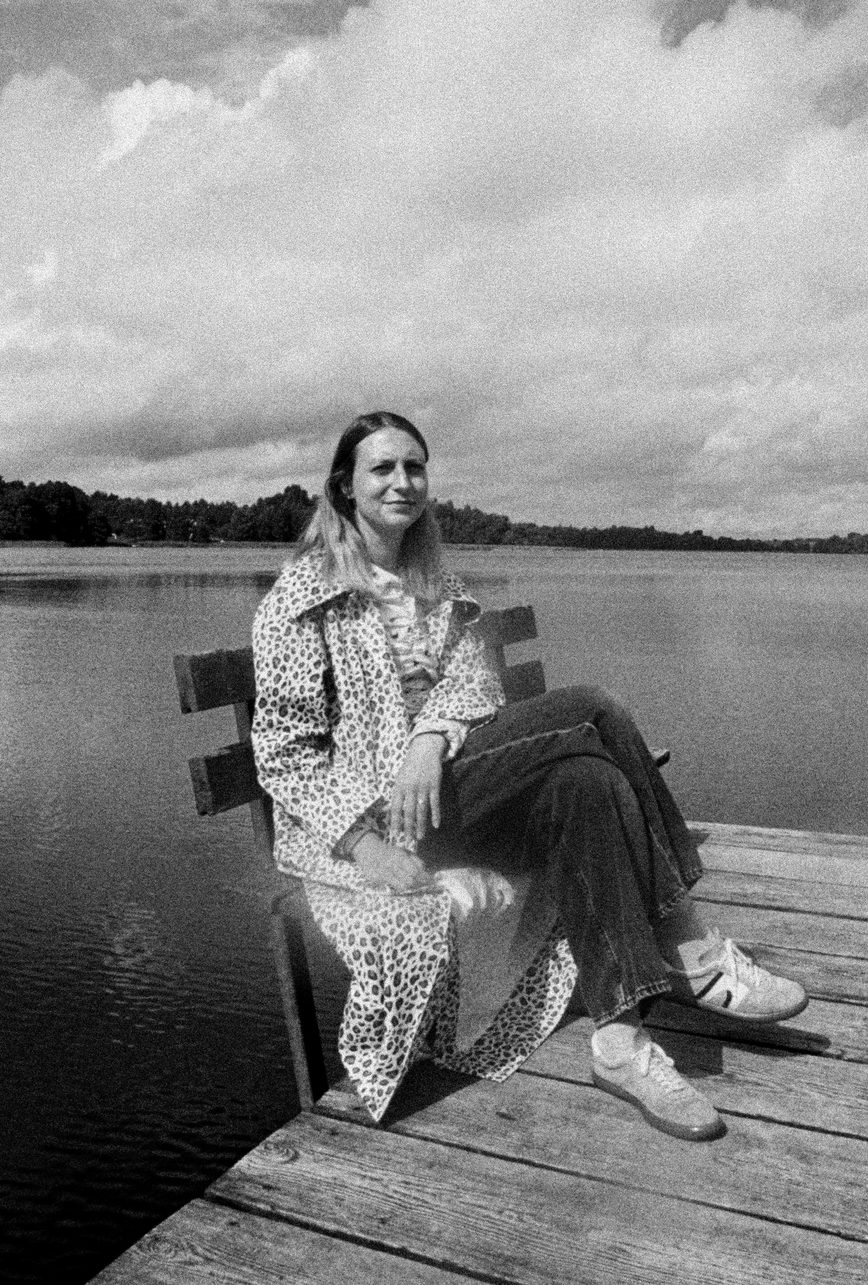
J. Zubaitė-Bundzė says that the seeds of Kaunas Art Book Fair were planted in Los Angeles. There, she met Gintaras Česonis, director of the Kaunas Photography Gallery, and its former curator, Viktorija Mašanauskaitė-Rinkšelė. They only discovered that they would all be travelling to the City of Angels at the same time a few days before their flights. Justina was travelling on a grant, while Gintaras and Viktorija were there to represent the gallery with its own stand.
The trio attended a dedicated art book fair, and somewhere among the stands, books, and conversations, an idea began to take shape: Lithuanian publishers regularly take part in international fairs in New York, Paris, and elsewhere, yet Lithuania had no meeting place devoted specifically to art publications.
“Gintaras and Viktorija had experience with fairs, while I had contacts and a somewhat different kind of practical experience. We thought, why not try organising a project like this in Lithuania?” Justina recalls the simple beginnings of an ambitious idea.
Getting To Know Your Own City
When creating the first fair, the organisers initially looked at foreign examples. They wanted it to have an international dimension, interesting guests, and the kind of event found in other major cities. The programme therefore featured, for example, Starship, Berlin’s alternative contemporary art magazine, as well as writer Annette Weisser, who presented her book Mycellium, published by Semiotext(e), the cult publishing house founded in Los Angeles in 1974. After the event, however, it became clear that simply transplanting a model that worked abroad to Lithuania was not enough.
“In the first year, we somewhat underestimated the uniqueness of Kaunas. We invited people and initiatives we found very interesting, but they had no strong connection to the local community. As a result, some of them simply got lost in the programme. We realised that visitors who are not yet very familiar with art publishing first need to be engaged in other ways,” the curator of the programme said.
This lesson helped Kaunas Art Book Fair turn its attention towards Kaunas itself. Over the years, the programme has explored the city’s history of art, posters, and graphic design, and has offered tours of library and museum collections. Visitors had the opportunity to see the normally closed storage facilities of the M. K. Čiurlionis National Museum of Art, while during one fair, when Kaunas Photography Gallery was undergoing renovation, the exhibition of posters from the 1990s by the Kaunas artist group Post Ars that came to life in the work of Jurgis Griškevičius was relocated to Meno parkas Gallery.
In addition to venues, the formats also changed. One year, Kaunas Art Book Fair would become a stage for conversations; another, an exploration of design practices or an exhibition of books.
During the pandemic, conversations with graphic designers also moved online. Later, Justina began inviting them to speak in person. She recalls worrying before one event that graphic designer Vytautas Volbekas would not say a word. As so often happens, once the conversation got going, he could not stop talking.
“Graphic designers do not have many opportunities simply to meet and share the way they think. So we wanted Kaunas Art Book Fair to become a place for people to come together as well,” the curator explains.
A Book Is Not Just For Reading
From the very beginning, Justina has overseen the fair’s educational programme. The aim is not to turn Kaunas residents into experts on art publishing over the course of a single weekend, but rather to offer a glimpse into a field that may at first seem niche.
One of her favourite Kaunas Art Book Fair projects was the publishing of two colouring books for children. The drawings were created not only by illustrators but also by artists who don’t usually work for children. As a result, the books featured Anastasija Sosunova’s tattoo-like graphic works, Robertas Narkus’s abstractions, and other activities that proved unexpected for children and adults alike.
Another episode that stuck with her was artist Kipras Dubauskas’s workshop for young people, Pareidolia in the City and in Art? Participants watched Rosalind Nashashibi’s 2005 film Eyeballing, in which an anthropomorphic vision of the city – faces emerging from façades and everyday objects – is juxtaposed with police officers moving around a police station, thus weaving themes of surveillance and observation into the same narrative. After the screening, the children and the artist set out on a walk through Kaunas in search of the city’s own watchful faces.
“I thought it was a wonderful exercise. The city is very important to Kipras, so he could show it to the children from an entirely new perspective. More generally, I’m glad that every edition of the fair includes at least one unexpected element unique to that particular year,” Justina says.
Over the past eight years, the fair’s community has also grown. In addition to the publishing houses, bookstores, and initiatives that return annually, independent creators are increasingly presenting their own publications, graphic works, and small-edition releases.
The fair brings together names familiar to Kaunas residents, such as the publishing house Hands on Press and the Kolibris bookshop, while Arklys, a publishing initiative run by students from the Vilnius Academy of Arts’ Department of Graphic Art, demonstrates how the fair can serve as a first platform for emerging creators.
“We get a very diverse audience – families, people who might not normally visit the Contemporary Art Centre reading room or art bookstore. This allows us to build an even broader connection with the city’s community as a whole,” Justina says.
From Books To People
Art publications have been part of Justina’s life since her university days. After completing a bachelor’s degree in art history in Kaunas, she interned at the Castillo/Corrales project space in Paris and worked in its bookshop. Upon returning to Lithuania, she and a group of like-minded people founded Six Chairs Books, the country’s first contemporary art bookshop. It initially operated in spaces at Vytautas Magnus University before moving to Kaunas Artists’ House and the National Gallery of Art.
This year, however, after more than a decade, Justina handed the bookshop over to new owners. The decision had been coming for a long time – as the years passed, she found herself with less and less energy to devote to the project. “I didn’t want simply to close the doors, but to bring a certain chapter to an end. The project is now in good hands and full of life, and that is something I can be proud of,” she says.
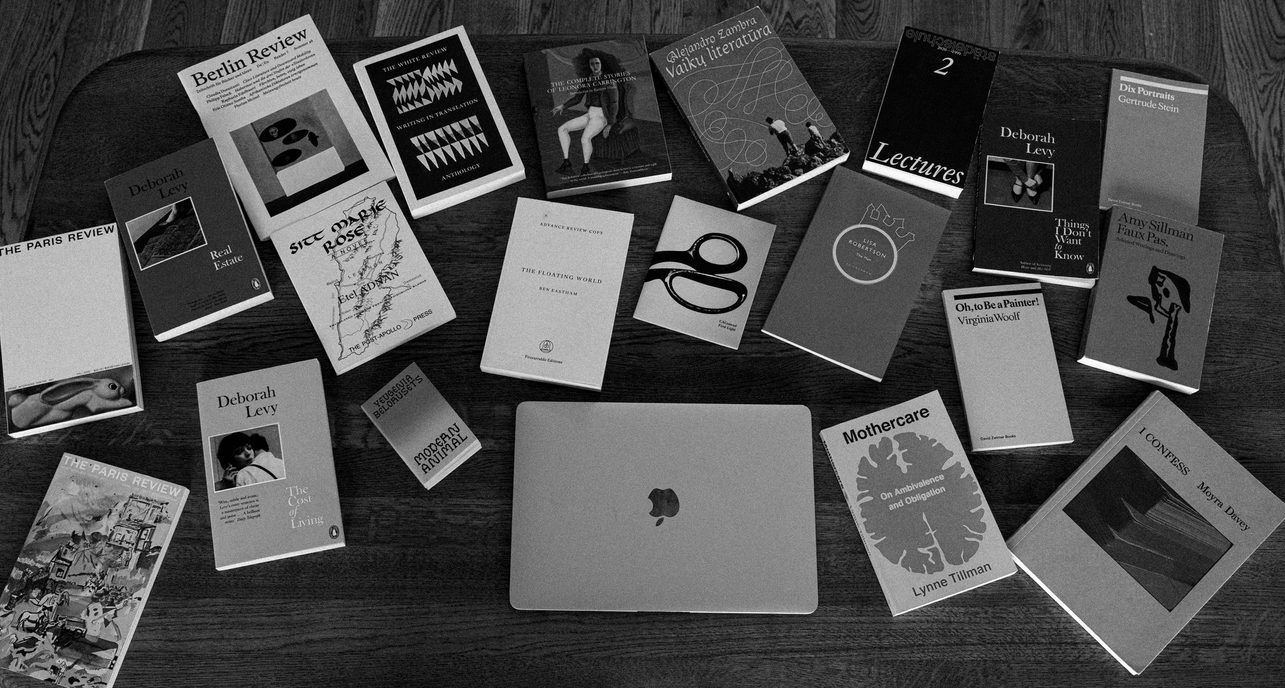
Today, Justina’s work increasingly revolves not around a book as an object but around people who write, publish, read, and meet. Justina organises the capital’s Paviljonas Book Weekend and curates April, the international writing residency programme in Trakai.
It is obvious if you look from the outside: the common thread connecting all her initiatives is an effort to create spaces where an author, artist, or publisher is not alone.
“Books are still important to me, but lately I feel that people – the authors, the visitors, and the opportunity for dialogue – have become even more important. That is precisely why Kaunas Art Book Fair remains important to me even though I no longer live in Kaunas. It is one of the ties that allows me to stay connected to the city’s cultural scene,” Justina explains.
Speaking about the city itself, she is glad that the fair takes place here. “Since a large proportion of the publishers and participants come from Vilnius, there has been talk of the capital needing a similar event of its own. Yet a dedicated art book fair has never materialised there. I like that Kaunas gives people a reason to come here and get together.”