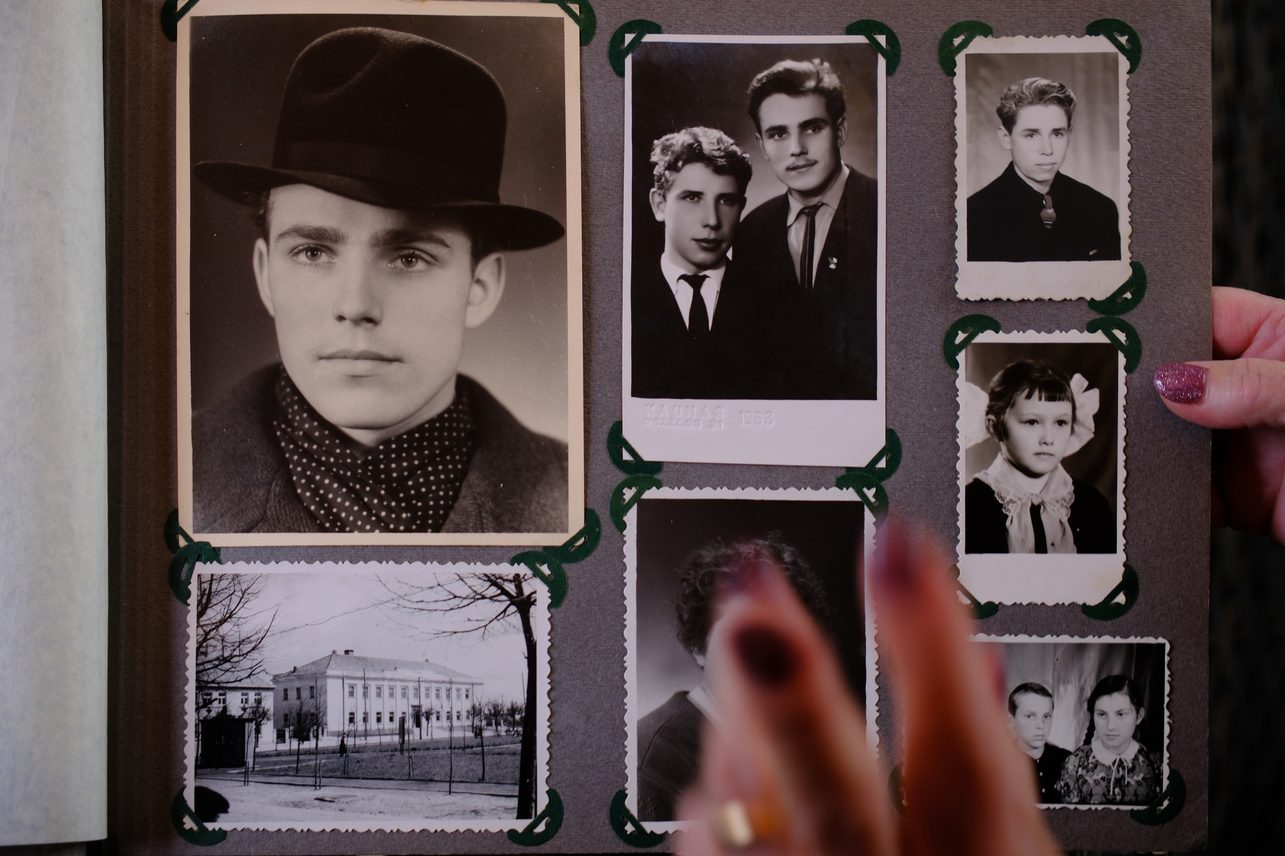
The best stories find you themselves. This time, the investigative department of “Kaunas Full of Culture” travels back to the post-war era to meet some of the circus pioneers in Soviet-occupied Lithuania. We are here to learn about what was, according to them, the first circus troupe to actively tour Lithuania with an original programme after the trials of the mid-20th century. This story is being shared for the first time by one of the troupe’s central figures – a resident of the Kaunas district, Danutė Daugėlaitė-Stasiūnienė.
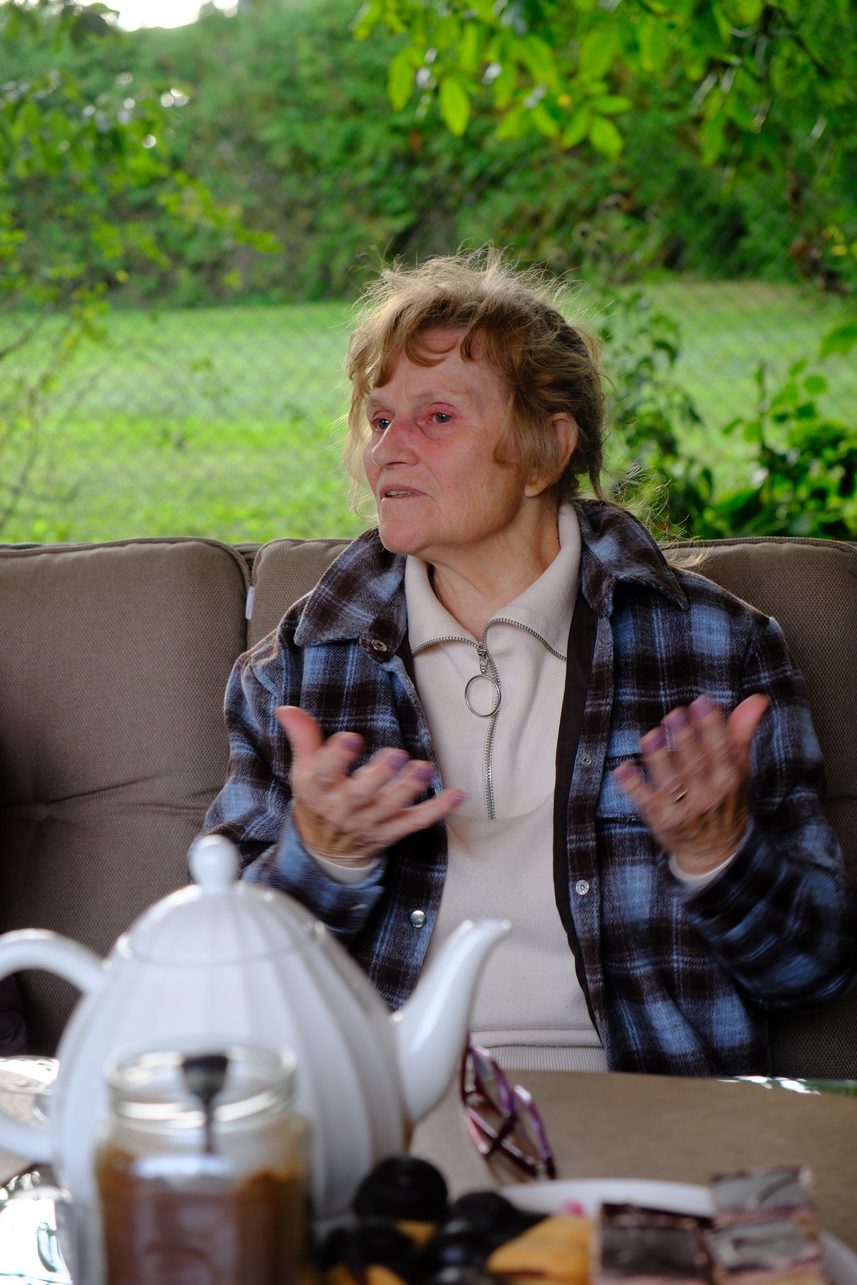
We were notified about Danutė by her friend Rūta, who simply sent a message on social media. As our protagonist admitted, after nearly ten years of friendship with Rūta, she accidentally mentioned her youth and “those circuses”. Thankfully, her friend realised the story was both significant and extraordinary and told us about her, so we set to work. How did this woman, more than 60 years ago, travel across the whole of Lithuania, the Baltic States, and eventually a large part of the Soviet Union – all the way to the Caucasus, and perhaps even further?
Danutė, who recently celebrated her 80th birthday, is so full of energy and stories that I, being half a century younger, could almost be envious. I know this generation of post-war children well: stubborn, persistent, incredibly hardworking, patriotically minded, brave, and used to achieving everything themselves.
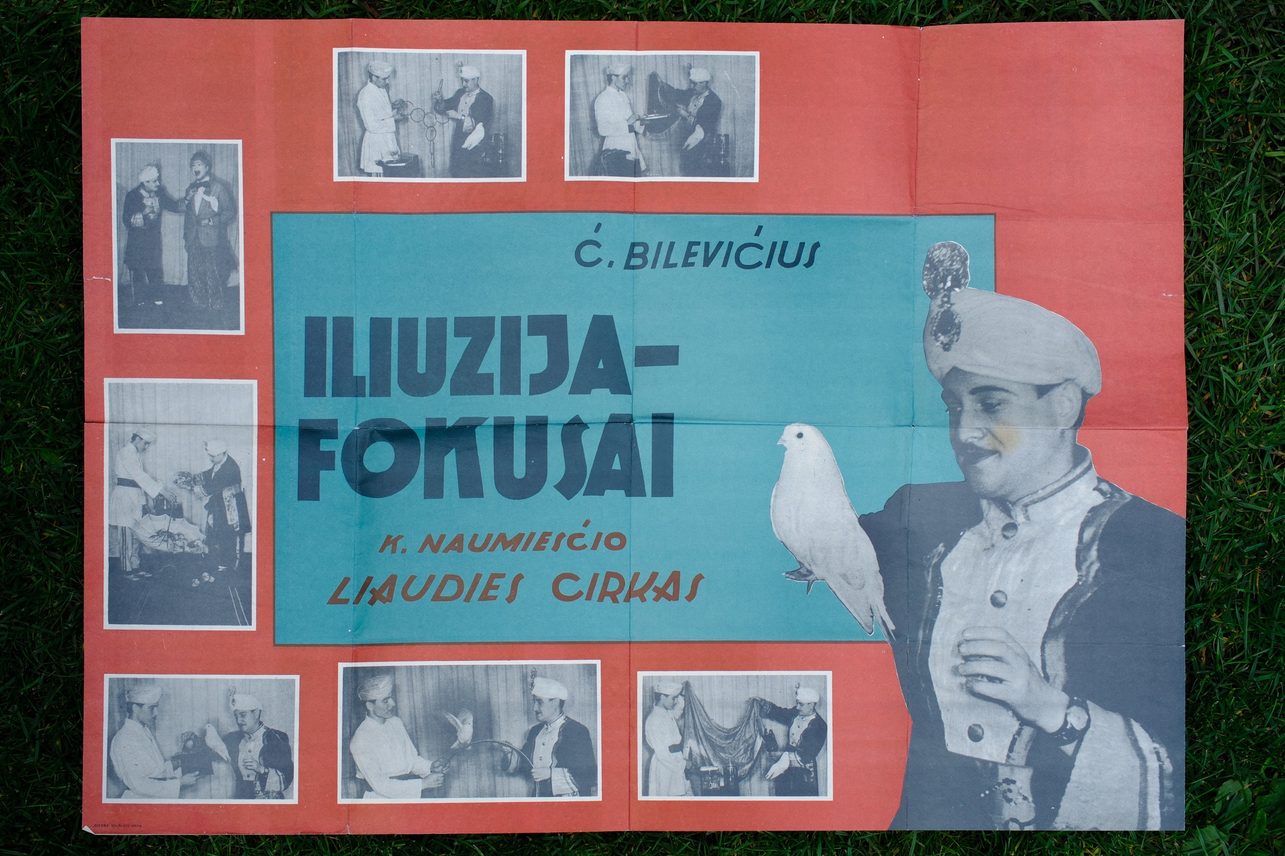
We travel with Danutė to her brother’s children in Piliuona – a journey of nearly 40 minutes from her home. Her nephew’s house preserves the artefacts of this history: photographs of the circus troupe, posters, props, and other items. Her brother is a key figure in this story, whom we shall get to shortly.
A Hard Life
Our interviewee was born in the village of Pikžirniai, near Šakiai and Zypliai, during the Second World War, when Lithuania was occupied by Nazi Germany. Danutė was the youngest child in a large family. When she was four, she moved to Kudirkos Naumiestis with her mother and siblings. An aunt had invited them there so the children could pursue an education. It was here that life truly began to bustle, forming the essence of this story: a single mother and her four children in the difficult post-war years.
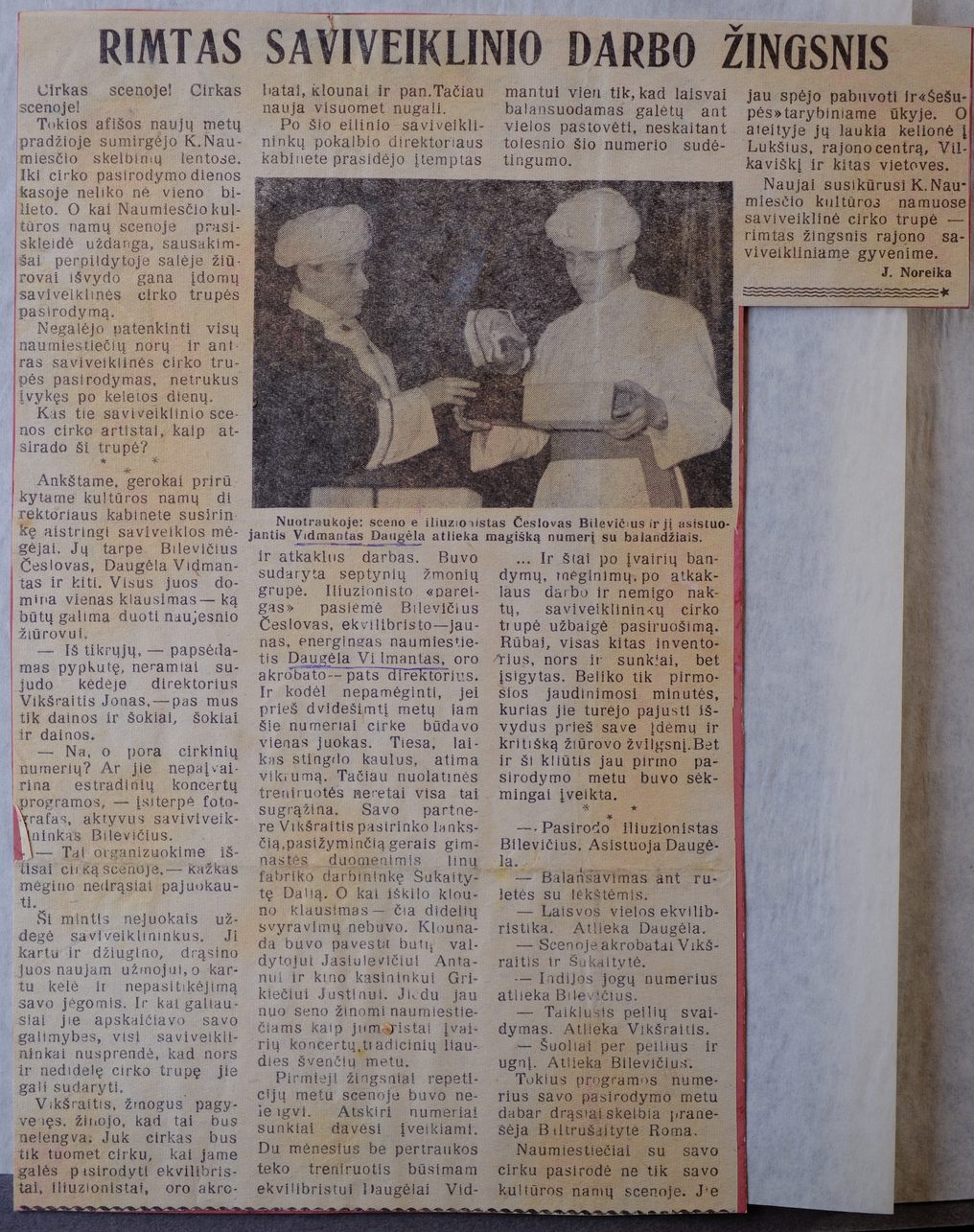
At around the age of 14 or 15, Danutė’s brother Vidas found literature that would change their lives – books from interwar Lithuania, which Danutė describes as “the yellow ones that people used to hide in attics”. The books contained drawings and instructions on how to make tools and props for special “magic” tricks and illusions.
For example, boxes from which pigeons would fly, and various tables with hidden compartments for “deceptions”. Gradually, the children created a 20 to 30-minute programme and presented it during concert intervals at the local culture house where their mother worked. This took place around 1955–1958.
“The performances kept getting longer, but no one taught us anything. We thought of everything ourselves, and there were no opportunities to learn anything from abroad. We would sit and discuss it as a team,” Danutė recalls.
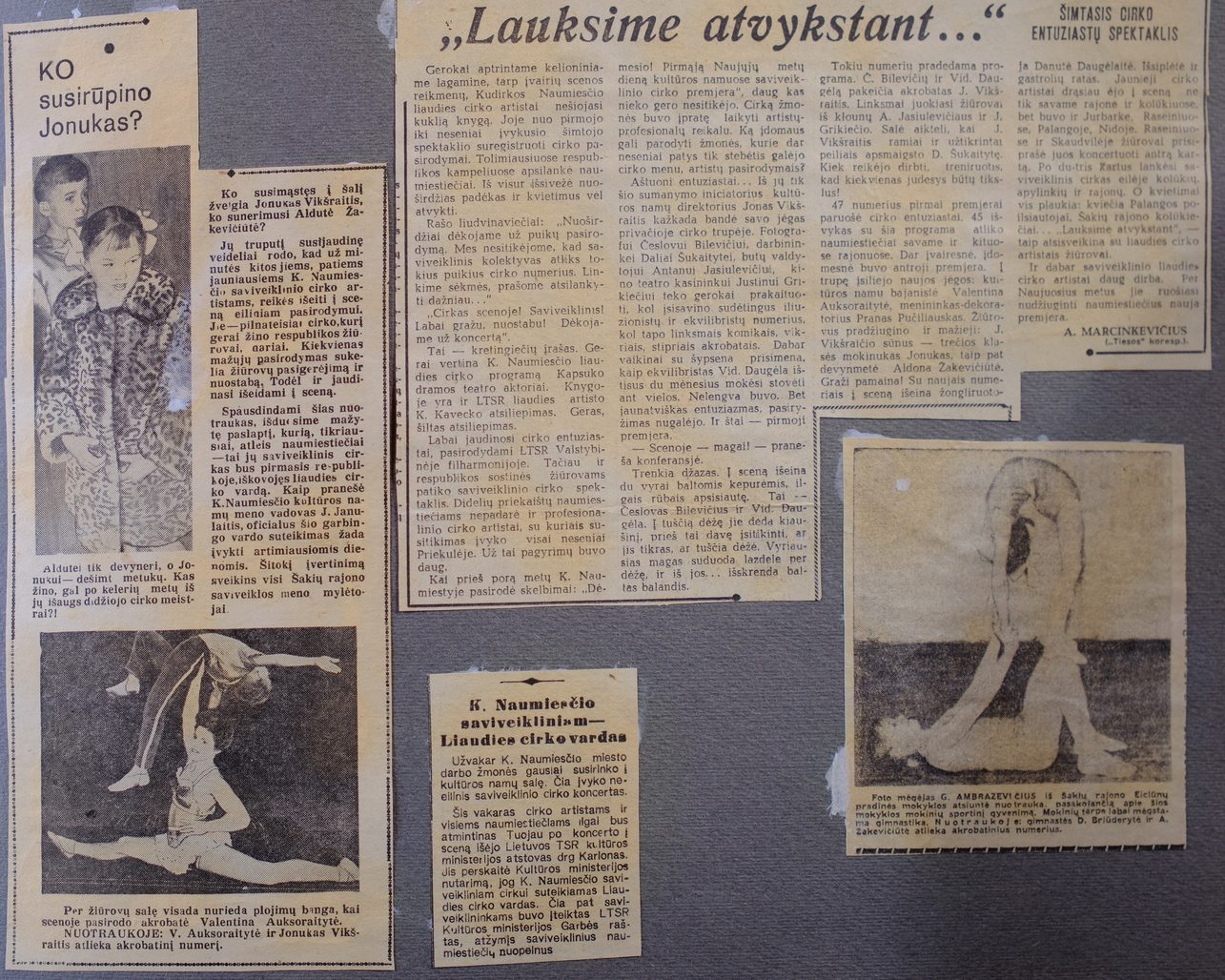
At this point, memory and historiography do not always align. The Universal Lithuanian Encyclopaedia dates the founding of the Kudirkos Naumiestis amateur circus to 1957 and calls it the first collective of its kind in the Baltic States and the second in the Soviet Union. Meanwhile, the press in the Šakiai region more frequently mentions the date 1959. These differences do not necessarily contradict each other: Danutė speaks of the children’s early attempts and the troupe that grew from them, while later sources may have recorded the officially formed collective of the culture house.
The Formation Of The People’s Circus
Eventually, a full troupe was assembled. Rehearsals took place during the day, as the culture house hall was occupied in the evenings for film screenings. The local authorities realised the youth did not lack initiative and even allocated a truck for their needs, and the troupe became an officially sponsored collective of the culture house.
The formed circus consisted of residents of Kudirkos Naumiestis. A little later, an acrobat and a couple of clowns from Šakiai joined. As Danutė says, there were always people wanting to join – even without a salary. However, not everyone was suitable, and during the conversation, it becomes clear that a common problem for the clowns was alcohol.
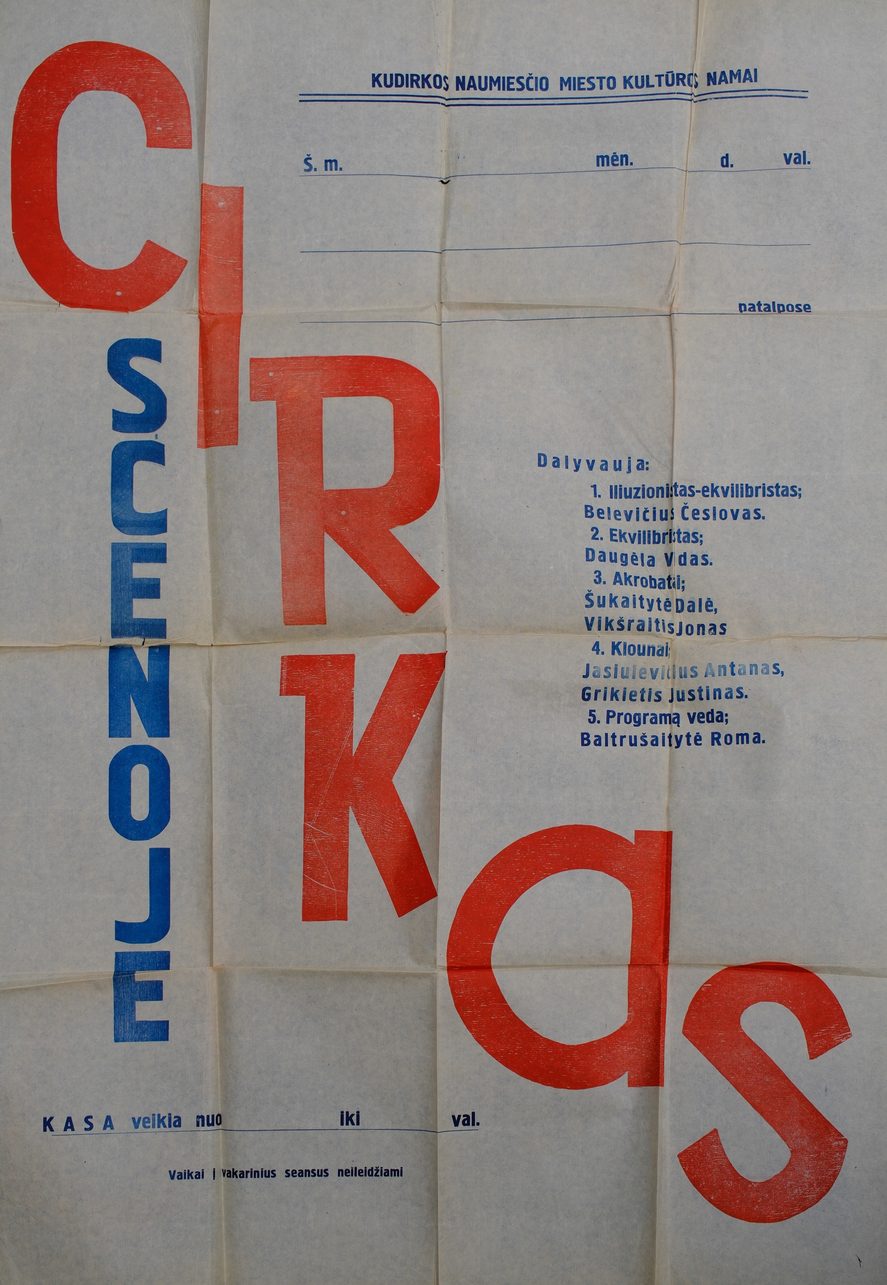
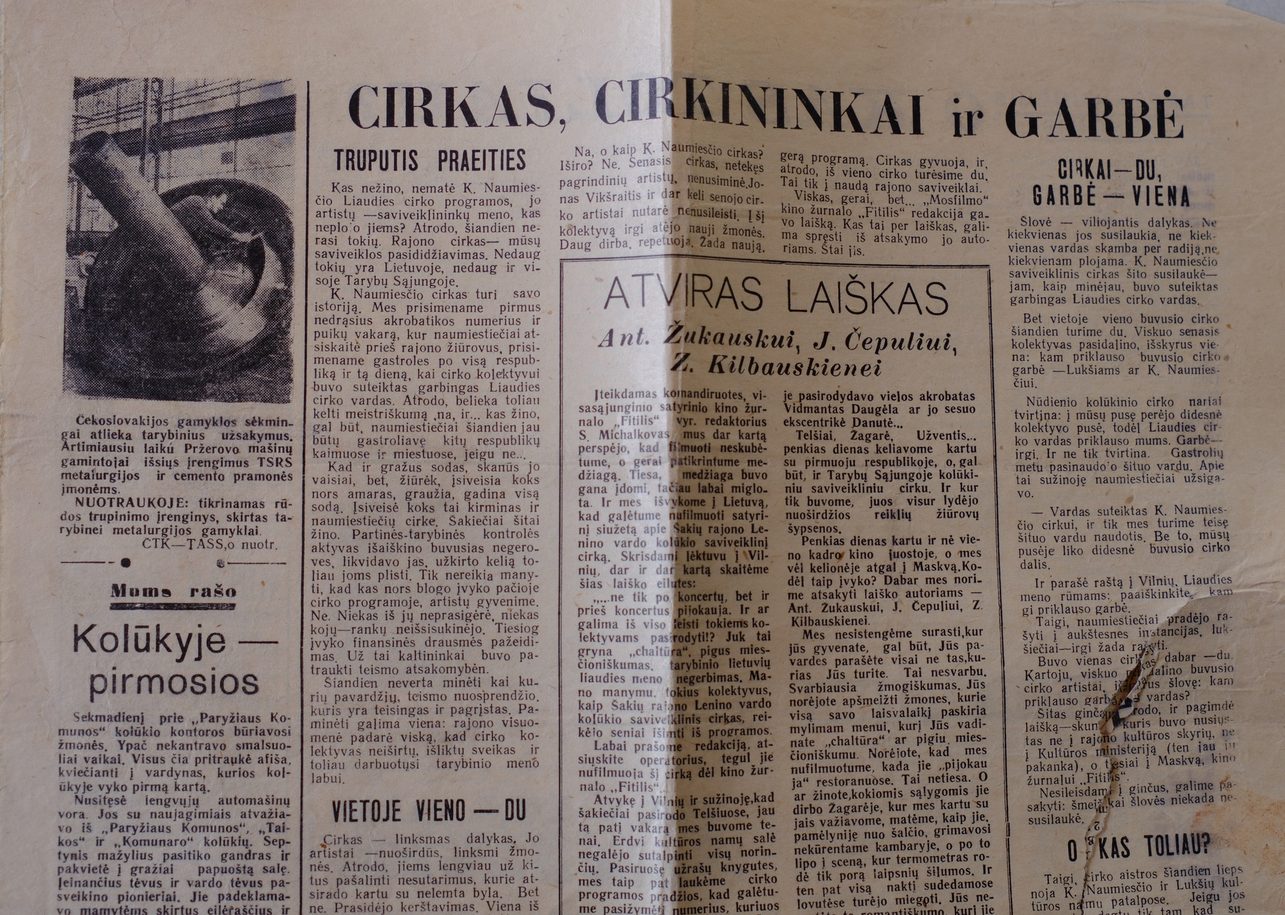
In a Soviet circus publication from July 1961, the Kudirkos Naumiestis collective is presented as the first amateur circus in the Lithuanian SSR. The culture house director, Jonas Vikšraitis, is listed there as an acrobat, while Vidas Daugėla (Danutė’s brother), an employee of the same culture house, is listed as a wire-walker, and so on.
At the initiative of the Ministry of Culture, the Lithuanian Film Studio produced a newsreel about the Kudirkos Naumiestis amateur circus, which was seen by “hundreds of thousands of viewers”. A specific archive for the newsreel has not yet been identified; if the film survives, it could contain the earliest images of this troupe’s performances.
An uncertainty arises here. The Universal Lithuanian Encyclopaedia states that from 1961, the Kudirkos Naumiestis circus was called “Žuvėdra” (The Seagull), and attributes its core to Jonas Vikšraitis, Česlovas Bilevičius, Antanas Jasiulevičius, Justinas Grikietis, and Vidas Daugėla. However, Danutė herself does not use this name and emphasises that their troupe did not have a name. In her account, the artists later moved to Lukšiai, where they became a collective of a collective farm, and the troupe’s activities ended around 1970. Therefore, it would be premature to call the entire history of the collective as told by Danutė the history of “Žuvėdra”.
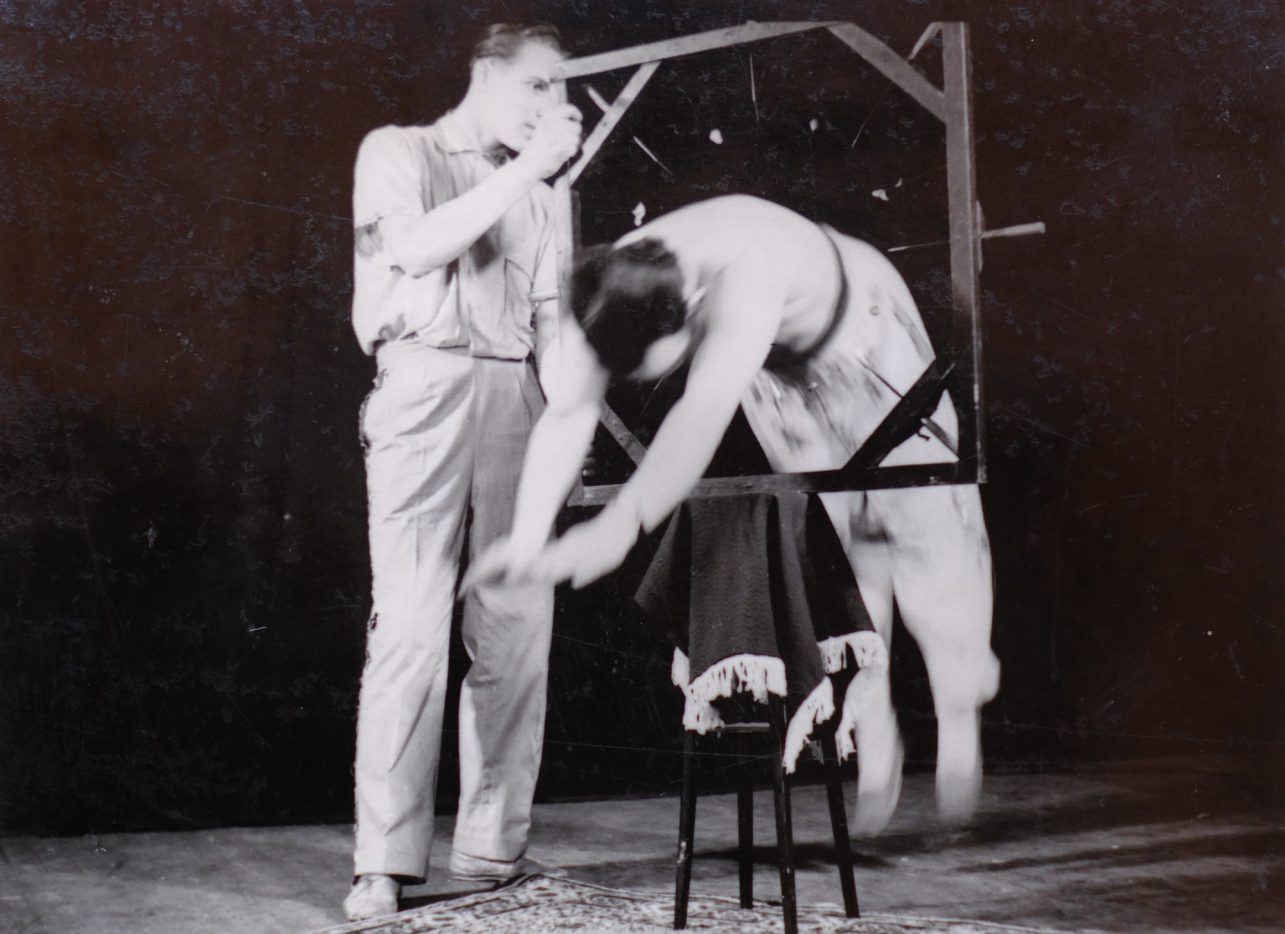
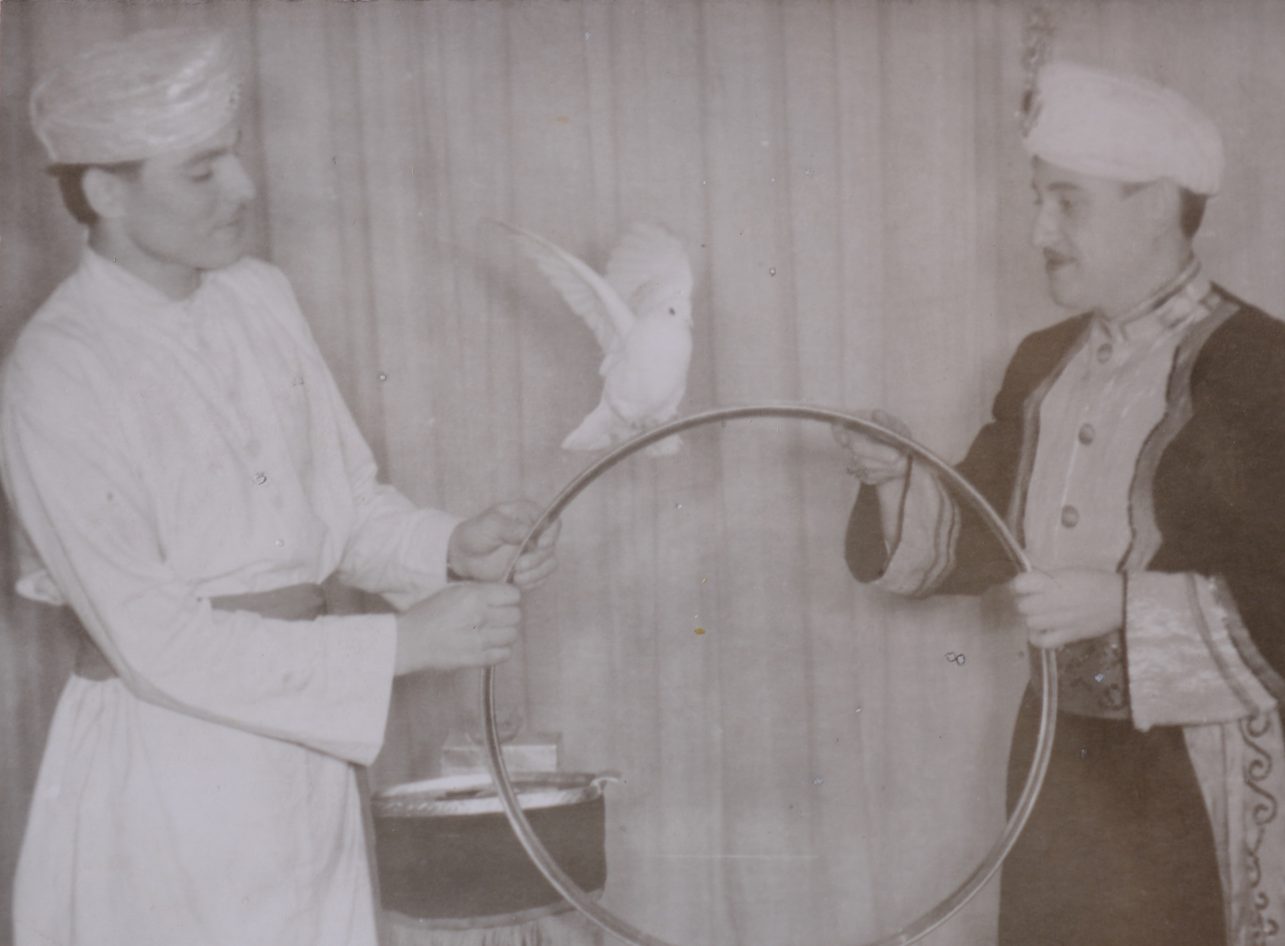
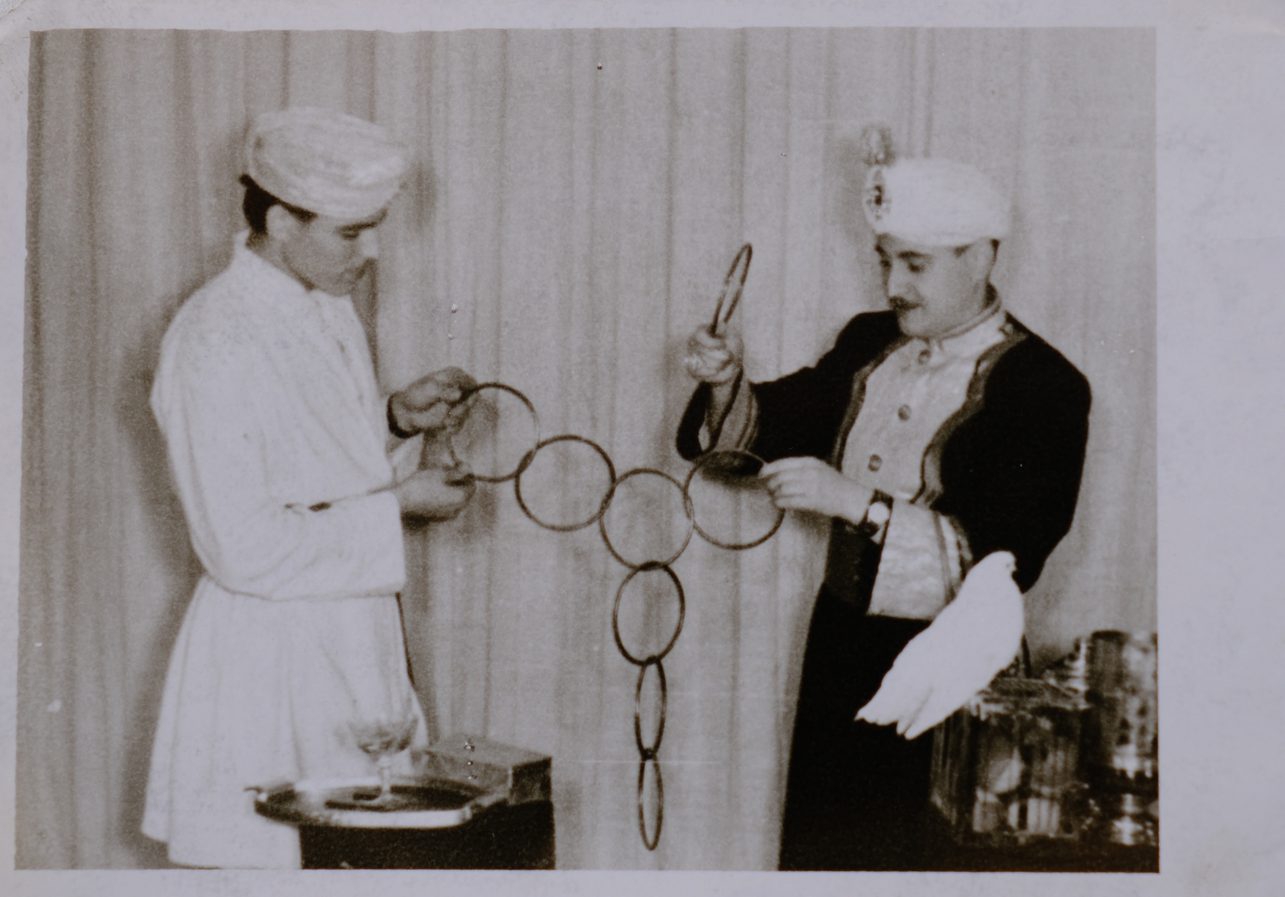
Danutė herself became the troupe’s announcer and compere: the lights would dim, the music would start, all the artists would line up, and Danutė would introduce them. Then came the first act, the magic. For example, a glass placed on a tray, into which water was poured, turning red. Then it would be covered with a black cloth, shaken, and – it would vanish. Danutė helped the illusionists carry out these and other tricks.
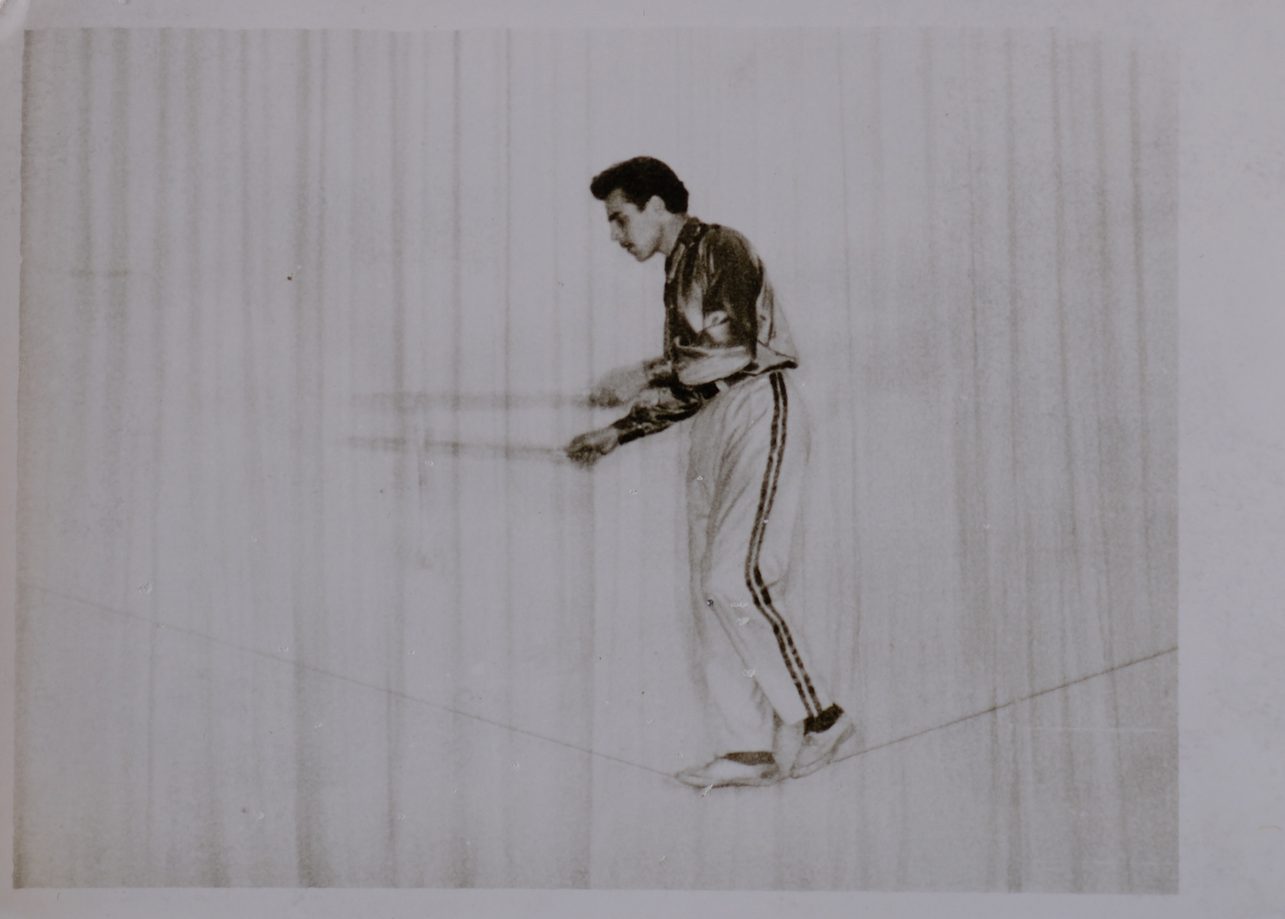
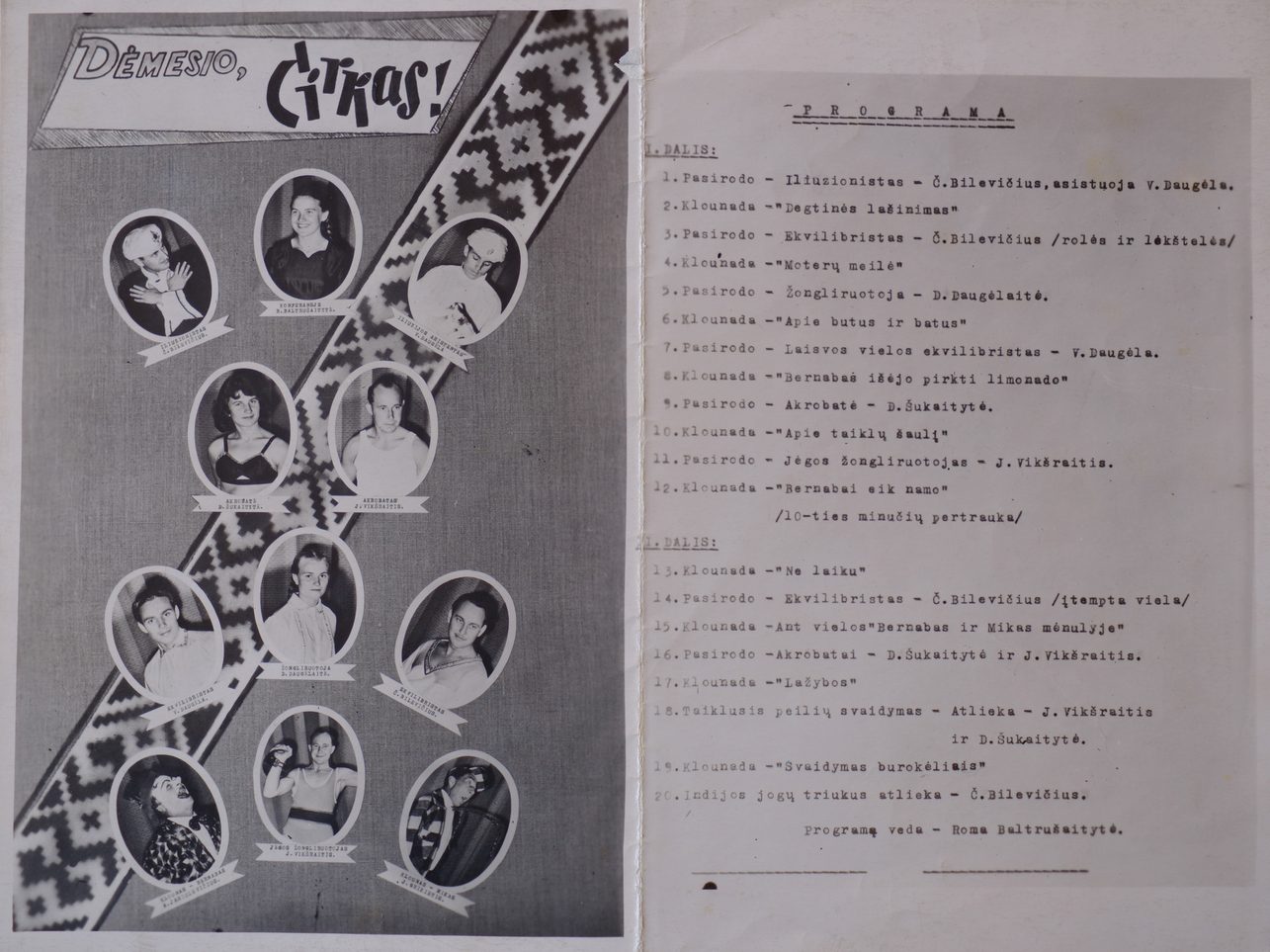
Then the clowns would appear, followed by acrobats performing gymnastics and other tricks. Later, there were weightlifters. Then clowns again, and finally, even three small-statured artists: Bronius, originally from Svėdasai, and two sisters met during a tour in Belarus.
“We also had musicians. The Kudirkos Naumiestis brass band joined us, and they also used to play at funerals. Eventually, the troupe expanded to about 15 to 20 people. We had illusionists, clowns, animal trainers and their pets, strongmen, acrobats, and so on. It took us more than a year to prepare a full show,” says the circus veteran.
A New Stage – The Collective Farm
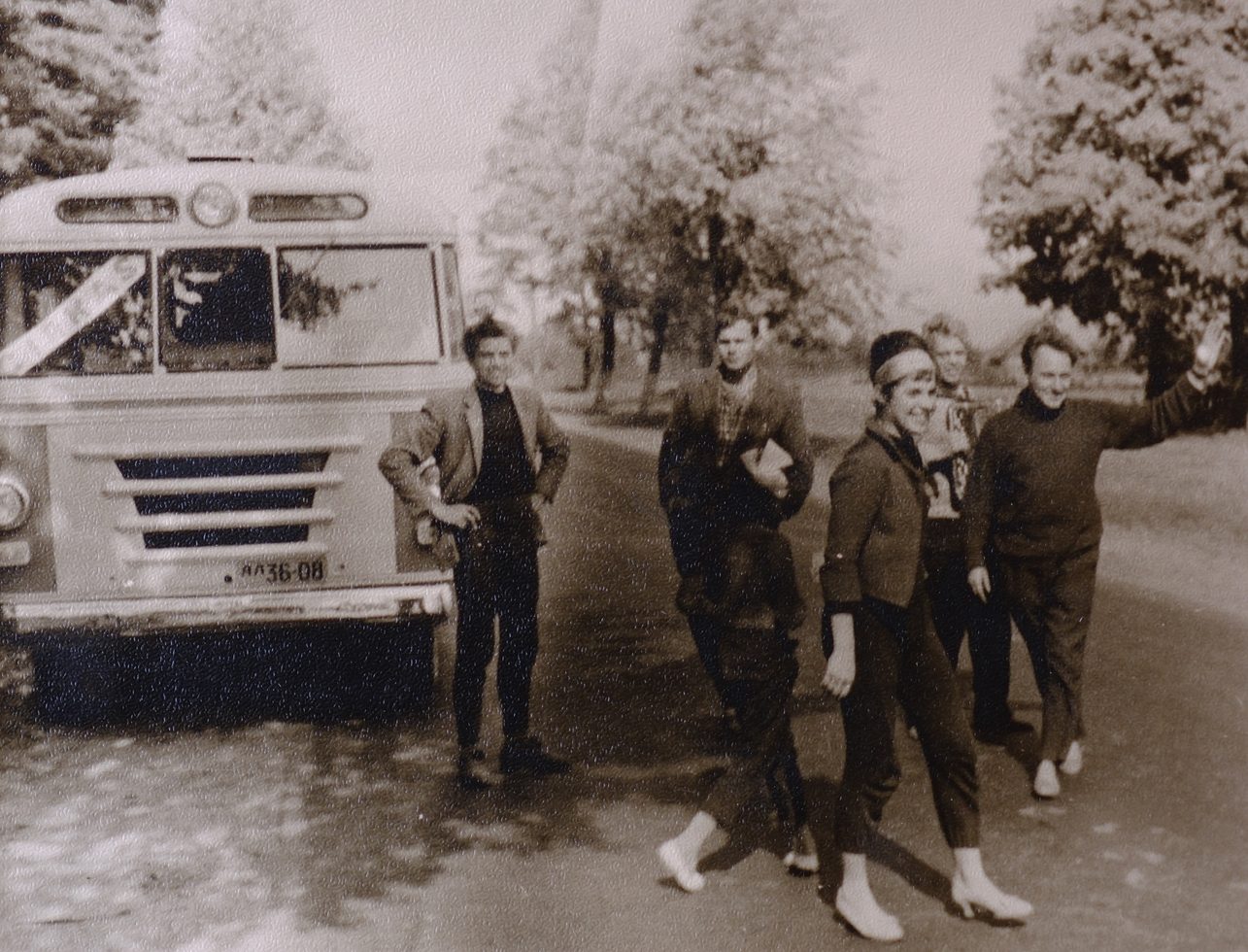
“Eventually, we were invited to work at the Lukšiai collective farm; we became their ensemble. Conditions were better there; we even received modest wages, and they allocated a bus to us. It was incredible – previously we had even travelled to Latvia in open cargo transport, and we would get out dirty, tired, and people would call us names. we rose to a higher level,” Danutė continues.
Travelling across Lithuania took place through a network of culture houses – they would perform in them and sleep in them. Before performances, they would distribute “afišas” in the towns – flyers inviting people to the circus show. All the money earned from tickets went into the collective farm fund.
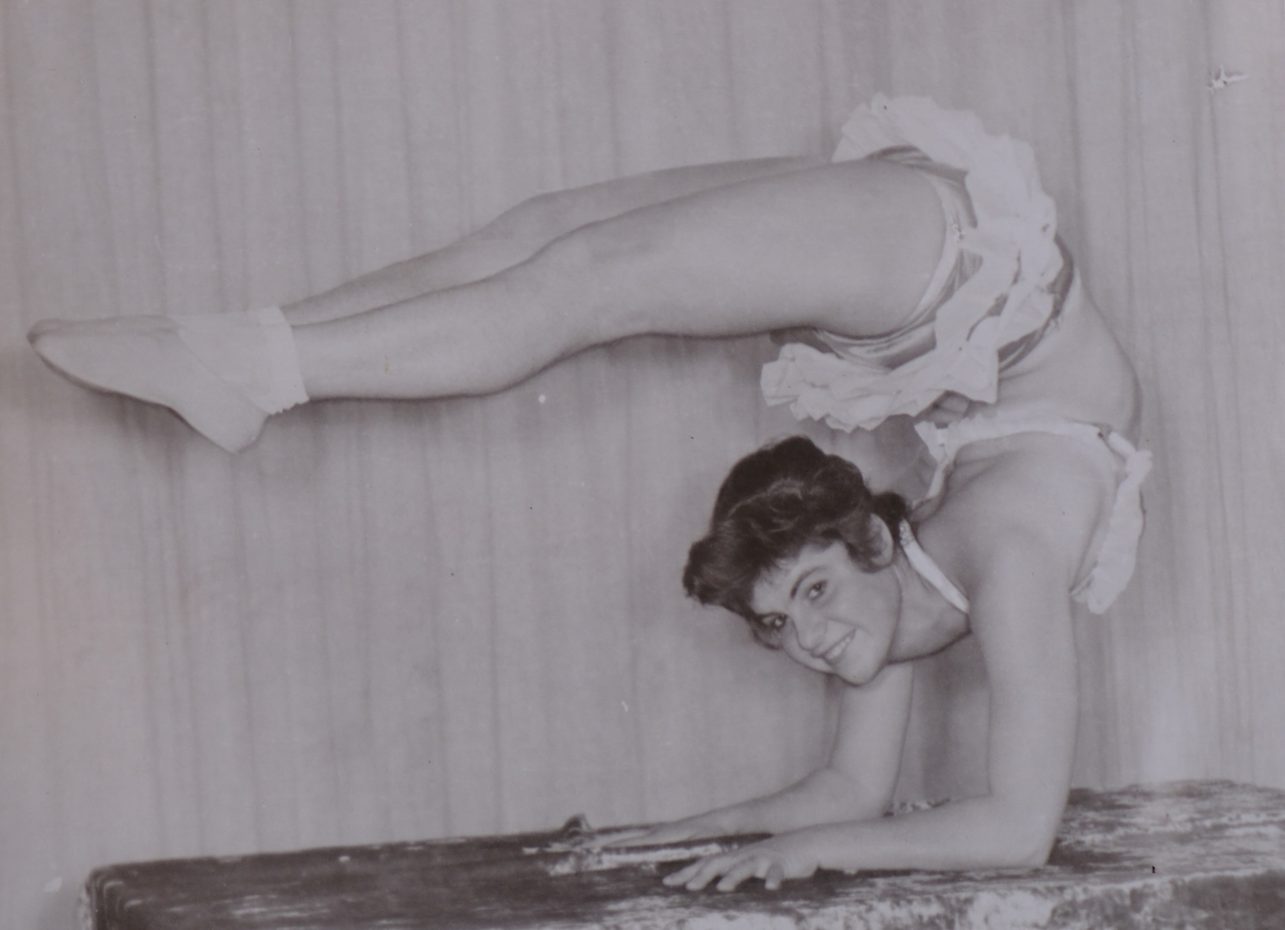
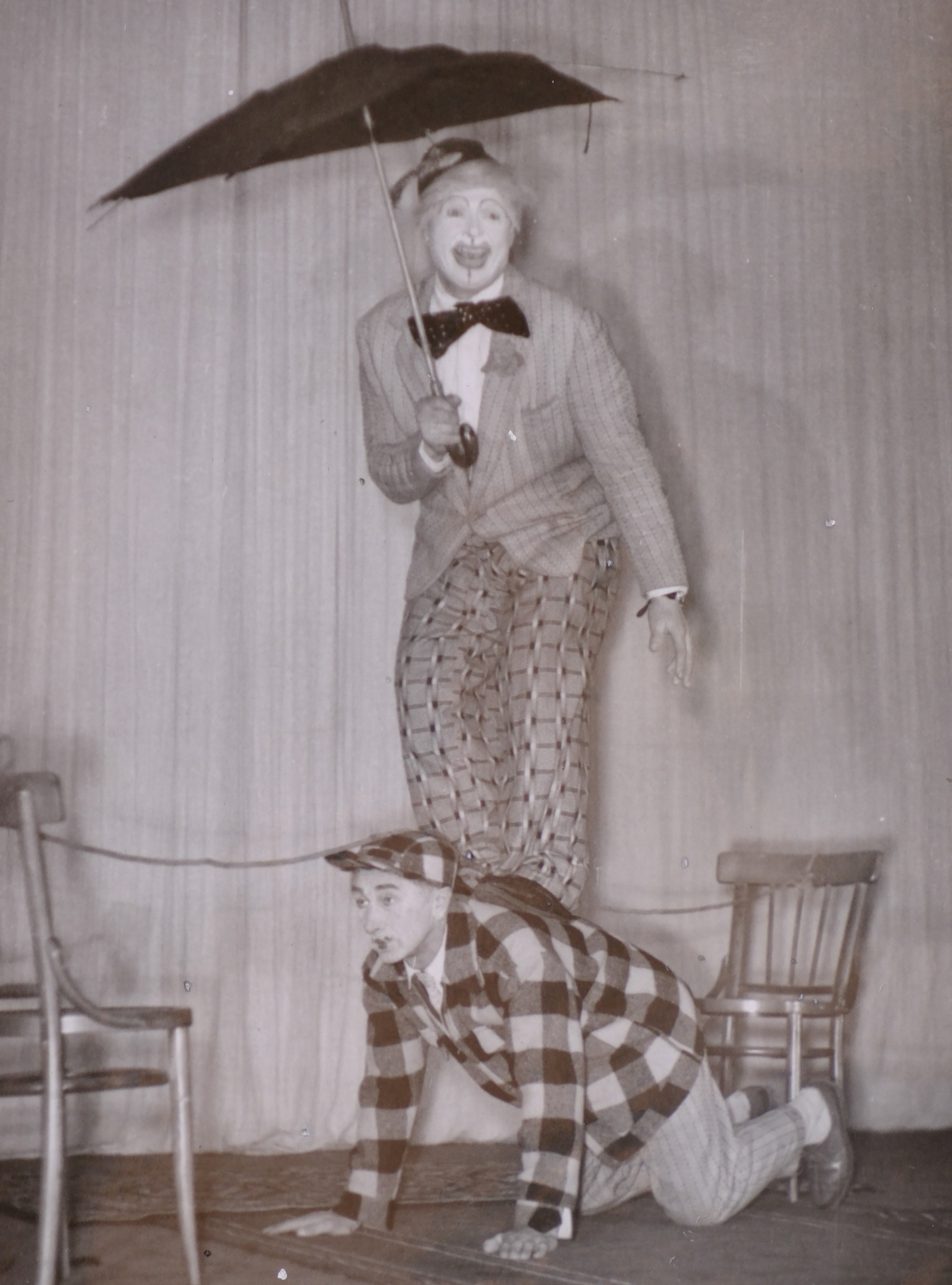
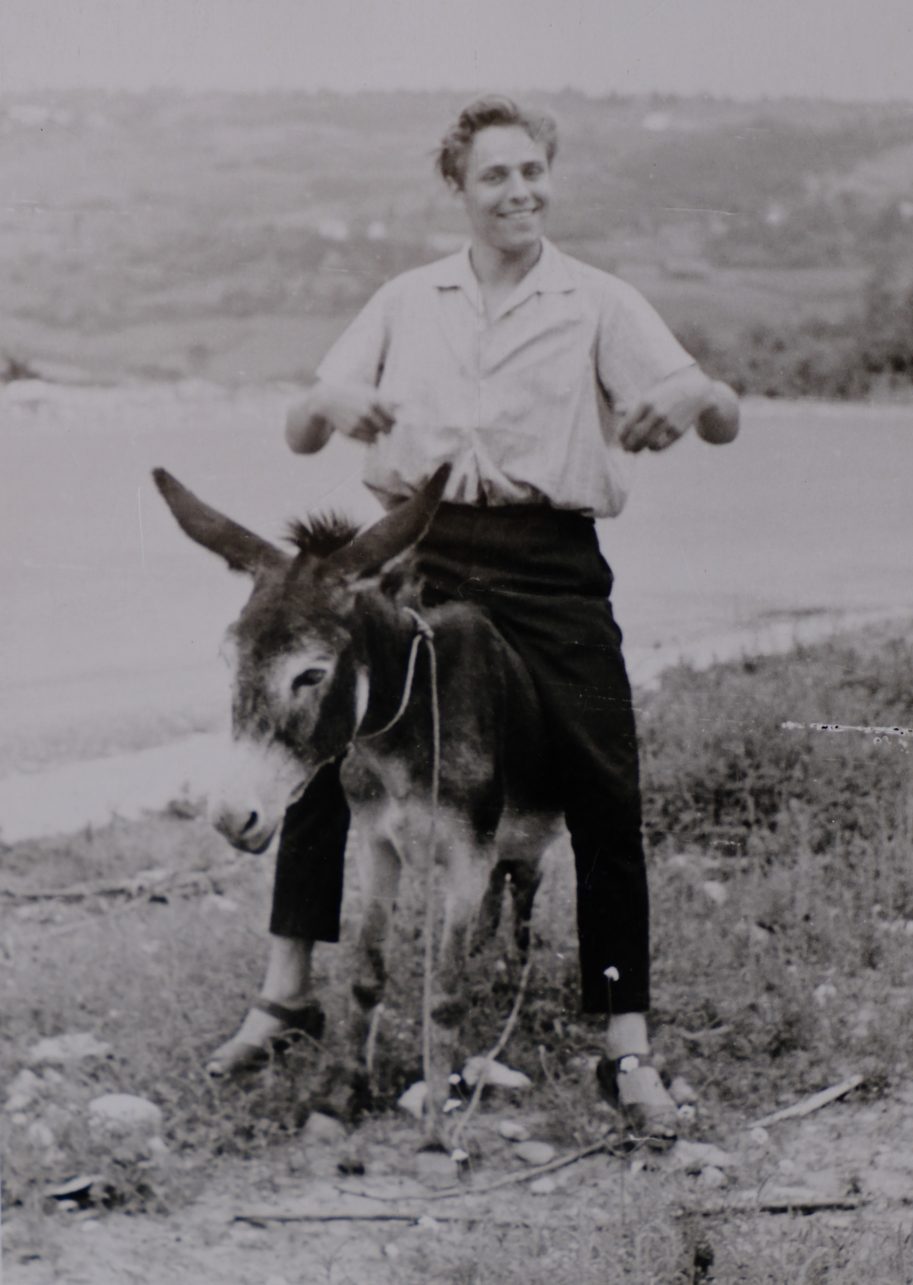
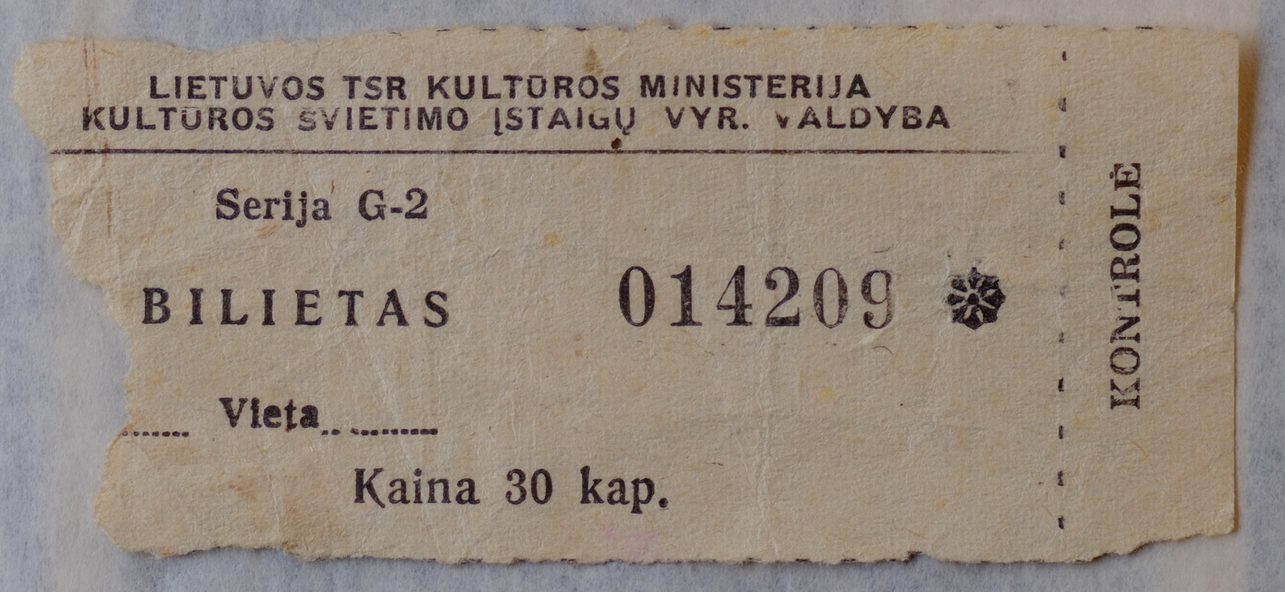
“When the stage opened, even the heat would rush towards us. There were so many people… Even open doors didn’t help. Rumours spread quickly, and the crowds kept growing, especially in Latvia and Estonia. We even visited Crimea and the Caucasus. Once we got the bus, we felt like noblemen. We took our folding beds everywhere and even slept outdoors,” says Danutė.
Danutė does not recall any major injuries, incidents, or mishaps. On the contrary, she says they were very disciplined and, for those times, sober. It was only later that some members of the troupe began to abuse alcohol. There was a bit of jealousy from locals while travelling, but even that was very rare.
“We were supposed to perform in Latvia. And the Latvians protested fiercely – they had a stationary circus, so we were competitors. They were extremely unhappy that we drew large crowds and ‘stole’ the profit. One day they came and presented us with a document, essentially saying we were unwelcome and could not perform. So, we left for the Krasnodar region.”
Travelling worked like this: you travel for 15 days, you rest for 15 days. The troupe travelled with children and families. And the mother of Danutė and her brother even worked as the ticket collector and cashier for the shows. Sometimes the children would run out onto the stage during performances – there would be even more laughter. After the shows, they would sleep on that same stage with the children, rocking them on the circus props.
Animals Joined The Show
The stage of this troupe recalled by Danutė lasted for about a decade. During that time, not only people but also animals joined them, such as a bear. It would travel with them – in a cage towed behind the bus. However, Danutė does not recall it very fondly; several times during the conversation, she makes a face of disgust. An older circus man who joined the troupe looked after the animals.
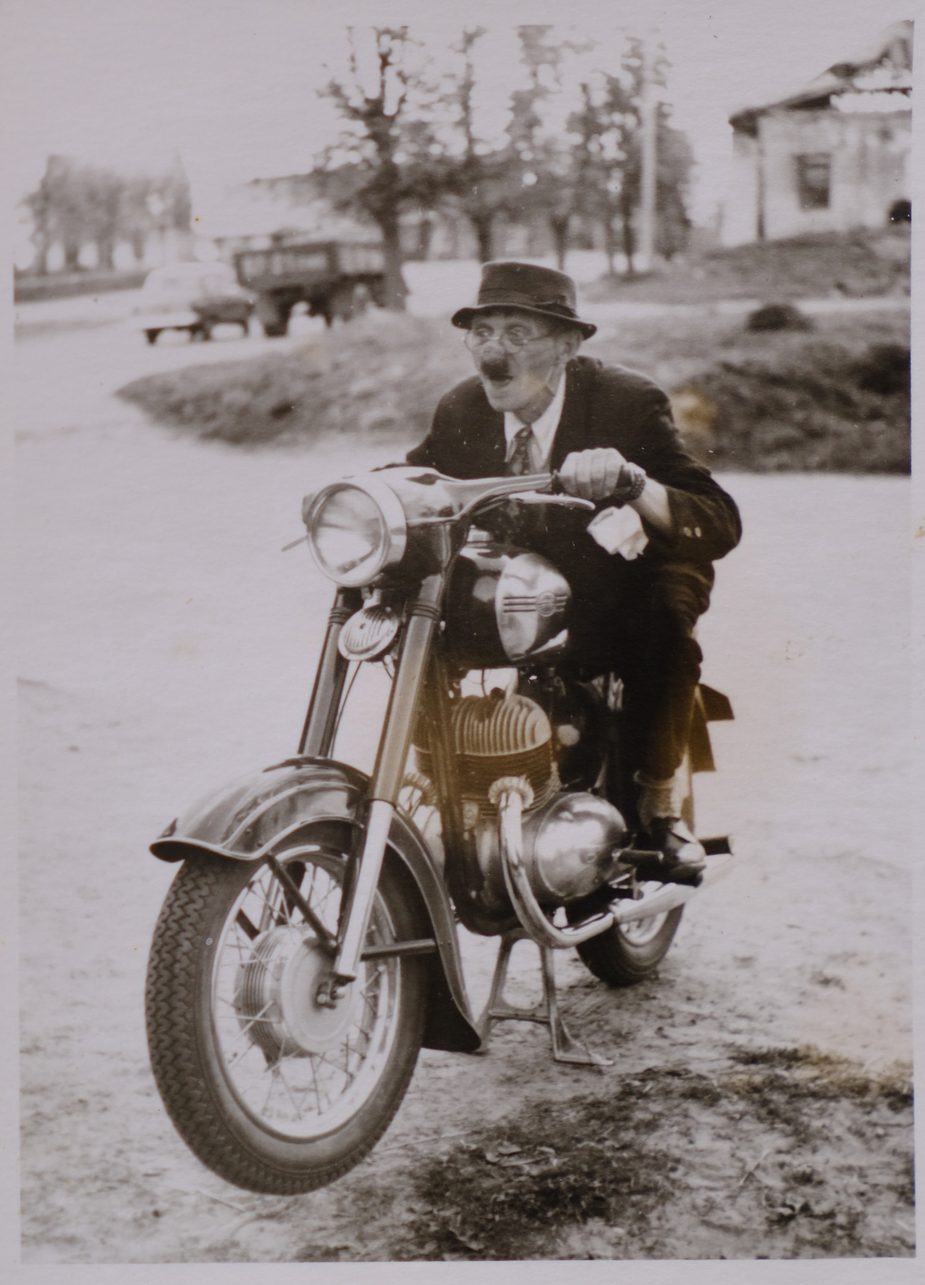
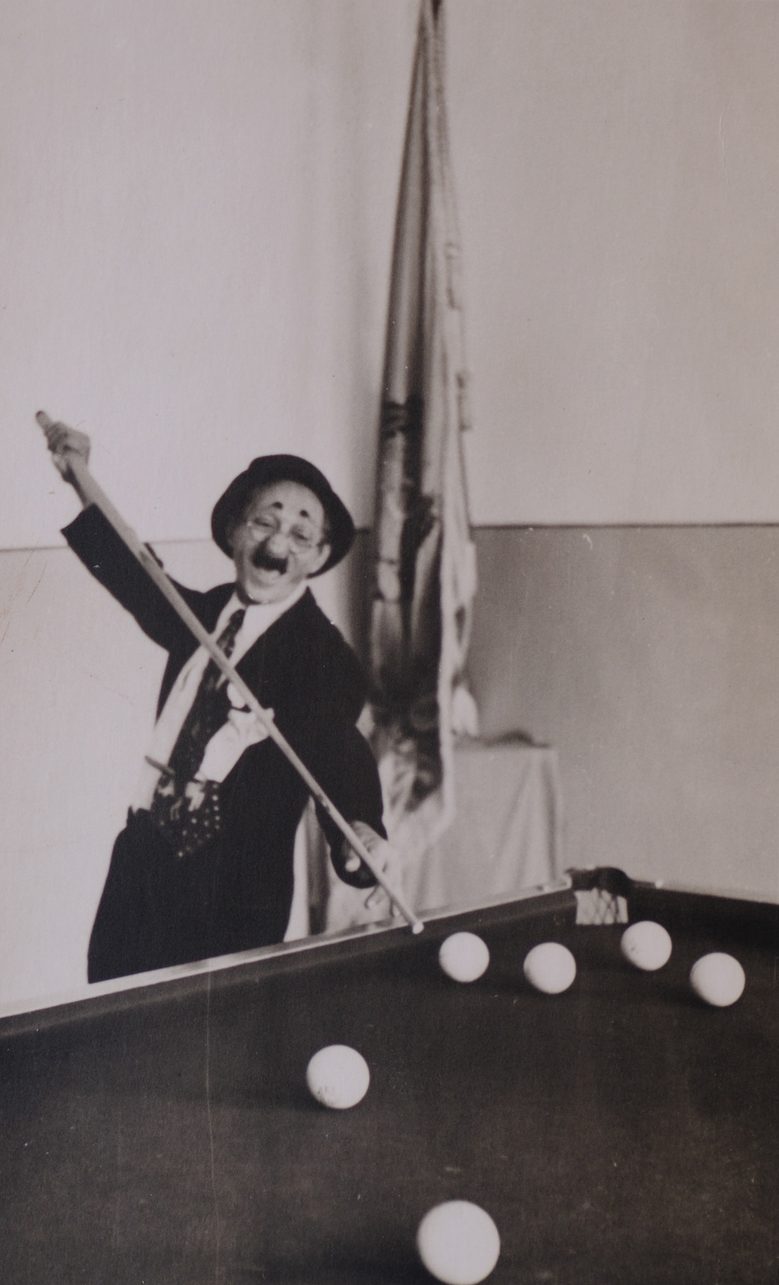
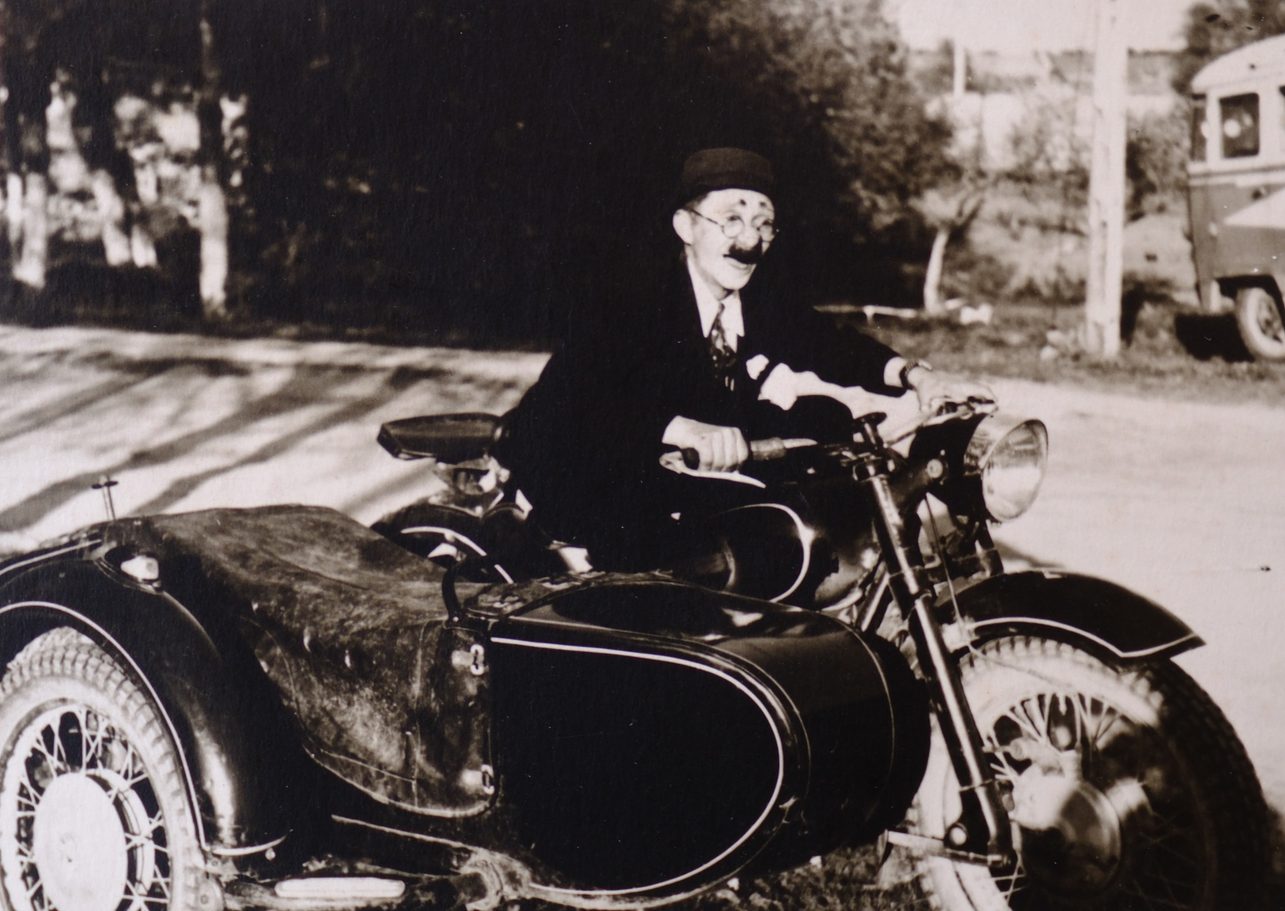
A couple of monkeys also became full members of the troupe. There were also pigeons, needed for the illusionists’ acts. They all travelled together with the people, props, and folding beds, and over a few years, the performances grew from short acts in culture houses to a programme lasting more than two hours.
The Beginning Of The End
How far did they manage to go? The son of Danutė’s brother Vidas, in whose home we are, remembers his father’s story about arriving during a tour at a place where the borders of five states met and there were five officials: from India, Pakistan, the Soviet Union, Afghanistan, and China. Presumably, the journey to the Pamir or Wakhan regions remained in the family memory.
Danutė’s brother later left for the Leningrad Circus. Such attempts to lure artists away, according to Danutė, occurred constantly, but rarely did anyone agree. Vidas did not stay long in Leningrad either; he left to serve in the army. As most troupe members grew up, their lives changed, and children were born, the activities of the joint circus slowed down.
At this point, the story told by Danutė and the chronology of the Kudirkos Naumiestis circus presented in later sources begin to diverge clearly. In Danutė’s memory, the active life of her troupe ended around 1970. However, the Universal Lithuanian Encyclopaedia extends the activities of the Kudirkos Naumiestis collective, referred to by the name “Žuvėdra”, until 1980. It is likely that when this troupe moved to the Lukšiai collective farm, those remaining in Kudirkos Naumiestis founded a separate troupe.
That circus activity did indeed continue in Kudirkos Naumiestis is confirmed by later sources. In the 1978 and 1980 participant lists of “Cirko žiburiai”, the Kudirkos Naumiestis zonal culture house circus is mentioned, still led by the same J. Vikšraitis mentioned in Danutė’s accounts.
Therefore, these stories should not yet be put into a single continuous chronology. Precisely what the relationship was between these collectives and at what point their paths diverged remains to be verified in the documents and press of the time, as well as through further meetings with our respected interviewee.
At the same time, the circus tradition had already reached Šakiai. In 1976, former Kudirkos Naumiestis artist Juozas Endriukaitis founded the “Šypsena” (Smile) circus there, and in 1978, national amateur circus rallies began to be held in Šakiai. It is in this town that a circus school still operates today. What is clear is that the circus tradition that began in Kudirkos Naumiestis later branched out into several collectives, opening a new, post-war chapter for this art form.